President Mahama Warns Against Mineral Agreements that Weaken Africa’s Bargaining Power
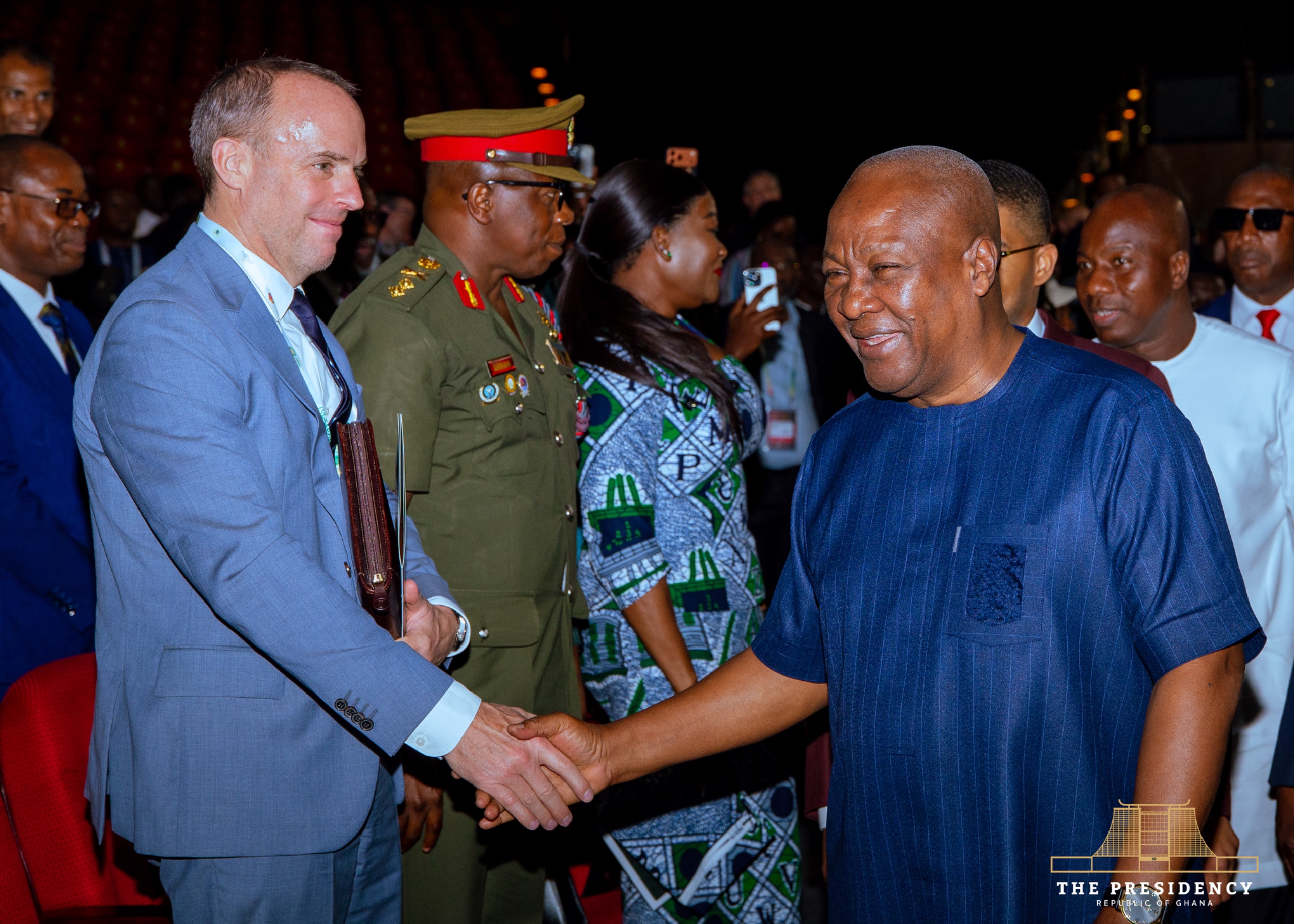
President John Dramani Mahama has urged African leaders to resist mineral agreements that set countries against one another and weaken the continent’s ability to secure fair returns from its natural resources.
He said poor negotiations and the award of large mineral concessions to foreign interests had allowed much of Africa’s mineral wealth to flow out of the continent, leaving resource-rich communities with limited benefits.
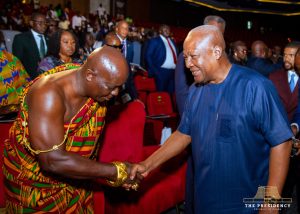
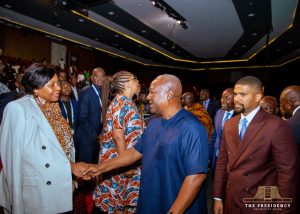
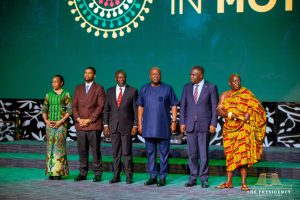
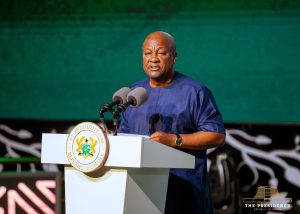
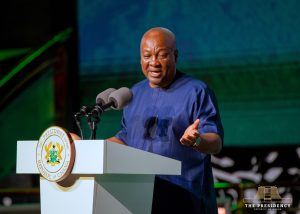
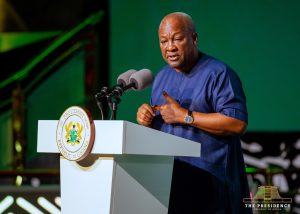
Addressing the opening of the 2026 Mining in Motion Summit in Accra, President Mahama called for closer cooperation among African countries on mining negotiations, taxation, responsible extraction and local participation.
“Poor negotiations and the award of large mineral concessions to foreign interests leave African nations with only a pittance of the wealth extracted from our soils. This results in massive financial outflows from the continent, while African countries and their communities continue to suffer,” he said.
The President said the situation reflected a historical pattern in which African countries exported raw materials to support industries elsewhere while importing finished goods produced from their own resources.
He argued that the continent needed to change this pattern by strengthening its negotiating capacity and developing local processing and manufacturing industries.
President Mahama cited an experience from his previous presidency in which a fellow West African leader sought his advice over a mining company’s demand for lower royalties.
He said Ghana had issued stability agreements for two mining companies that capped royalties at 30 per cent, while the company negotiating in the neighbouring country was seeking a 10 per cent rate.
According to the President, the company threatened to move its investment to Ghana if the neighbouring country insisted on higher royalties.
He said the experience demonstrated how competition for investment could undermine the bargaining position of individual countries and reinforced the need for African governments to share information.
“This demonstrates the need for us to share information and expertise to ensure that more of the value remains on our continent,” he said.
President Mahama called for a common African approach to mineral negotiations that takes account of national circumstances and evolving industrial needs.
He said cooperation should include fair taxation, responsible mining and meaningful participation by indigenous businesses, rather than agreements that leave countries competing against one another for investments on unfavourable terms.
“To my fellow African leaders, I propose closer cooperation on fair taxation, responsible mining and meaningful local participation. We must resist agreements that create conflict among us and weaken our collective bargaining position,” he said.
The President also urged African countries to develop mineral value chains that support manufacturing across the continent.
He said Africa’s mineral resources should increasingly be processed into products such as batteries, electric cables, transformers, finished aluminium components and rare-earth magnets before being exported.
He added that regional processing agreements must secure genuine transformation of mineral resources and fair benefits for participating countries.
President Mahama called for the implementation of the African Continental Free Trade Area to make it easier for businesses to source materials and sell products across African markets.
He said addressing non-tariff barriers, simplifying customs procedures and improving transport and payment systems would support the development of regional supply chains.
The President also urged African countries to strengthen the African Minerals Development Centre by ratifying its statutes, providing dependable funding and making technical expertise available to support member states.
He said the centre could help countries share geological knowledge, strengthen their negotiating capacity and develop regional mineral value chains.
President Mahama stressed that Africa was not rejecting foreign capital or direct investment but wanted partnerships that supported industrial development, technology transfer and the growth of African enterprises.
“To investors, I say: Bring your capital, expertise and technology. Partner with us in African enterprise and resources to build competitive industries here in Africa,” he said.
He said Ghana’s own mineral policies were intended to ensure that resource development translated into local processing, skilled jobs, stronger businesses and improved living conditions.
The President called on African leaders to work together to ensure that the continent’s mineral wealth became a foundation for industrialisation and shared prosperity rather than a source of continuing economic dependence.
Richard Aniagyei, ISD