Western North National Ambulance Service Charts Course for 2026–2028
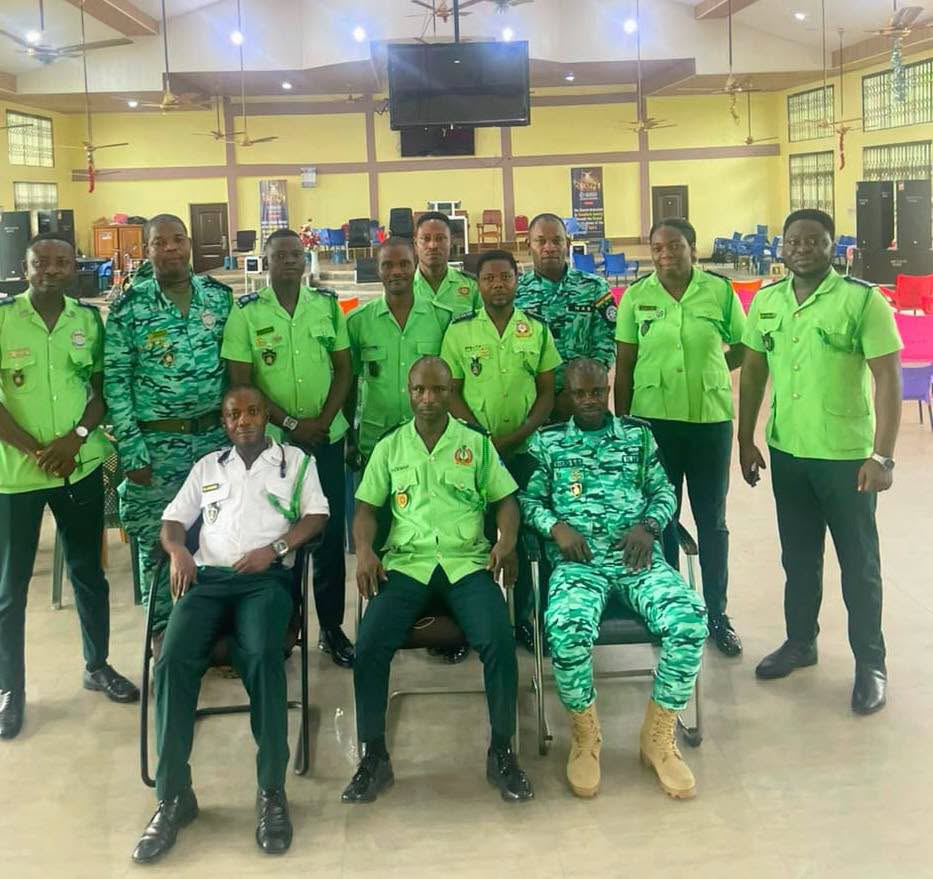
The Western North Regional Directorate of the National Ambulance Service (NAS) has convened a strategic planning meeting to map out key priorities for implementing its 2026–2028 Work Plan, with a strong focus on improving emergency medical services and supporting the Service’s nationwide transformation agenda.
Speaking at the meeting, the Acting Regional Administrative Manager, DCAEMT James Hackman, described the meeting as an important step in positioning the Western North Region to contribute meaningfully to the National Ambulance Service’s long-term goals. He reiterated the Chief Executive Officer’s vision of modernising the Service through improved logistics, enhanced staff development and welfare, and better patient outcomes.
He urged participants to put forward practical and innovative ideas that would support the successful implementation of the strategic plan, stressing that teamwork, commitment, and proactive leadership would be essential to achieving the Service’s objectives.
Presenting the region’s mid-year performance, DCAEMT Hackman reported that the Western North Region responded to 334 emergency medical cases during the first half of 2026, up from 291 cases over the same period in 2025.
He announced that the region maintained a fleet availability rate of 70 per cent, noting that the figure reflects the team’s commitment to sustaining operational readiness despite existing challenges.
The discussions were centred on measures to improve emergency response times, strengthen ambulance fleet management, and enhance maternal emergency care and transportation services. Participants also explored the region’s readiness to support the Chief Executive Officer’s vision of gradually transitioning from predominantly Basic Life Support (BLS) services to Advanced Life Support (ALS), a move expected to improve the quality of pre-hospital emergency care across the country.
The meeting further examined ways to strengthen electronic patient health records management, expand continuous professional development opportunities for staff, and improve staff welfare. Participants also reviewed key achievements recorded during the first half of 2026, explored opportunities to deepen stakeholder engagement and strategic partnerships, and discussed preparations for the upcoming virtual staff durbar, as well as other operational priorities.
Grace Acheampong, ISD