Public Sector Reforms Minister Calls for People-Centred Approach to Public Sector Transformation
The Minister of State for Public Sector Reforms, Lamisi Akanvariba, has noted that sustainable public sector transformation cannot be achieved through technology and systems alone, but requires capable, ethical and adaptable people to lead and manage institutional change.
She said that although digital technologies and artificial intelligence were creating opportunities to improve efficiency and public service delivery, the success of such reforms would depend largely on the capacity and values of the people operating the systems.
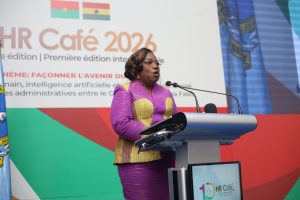
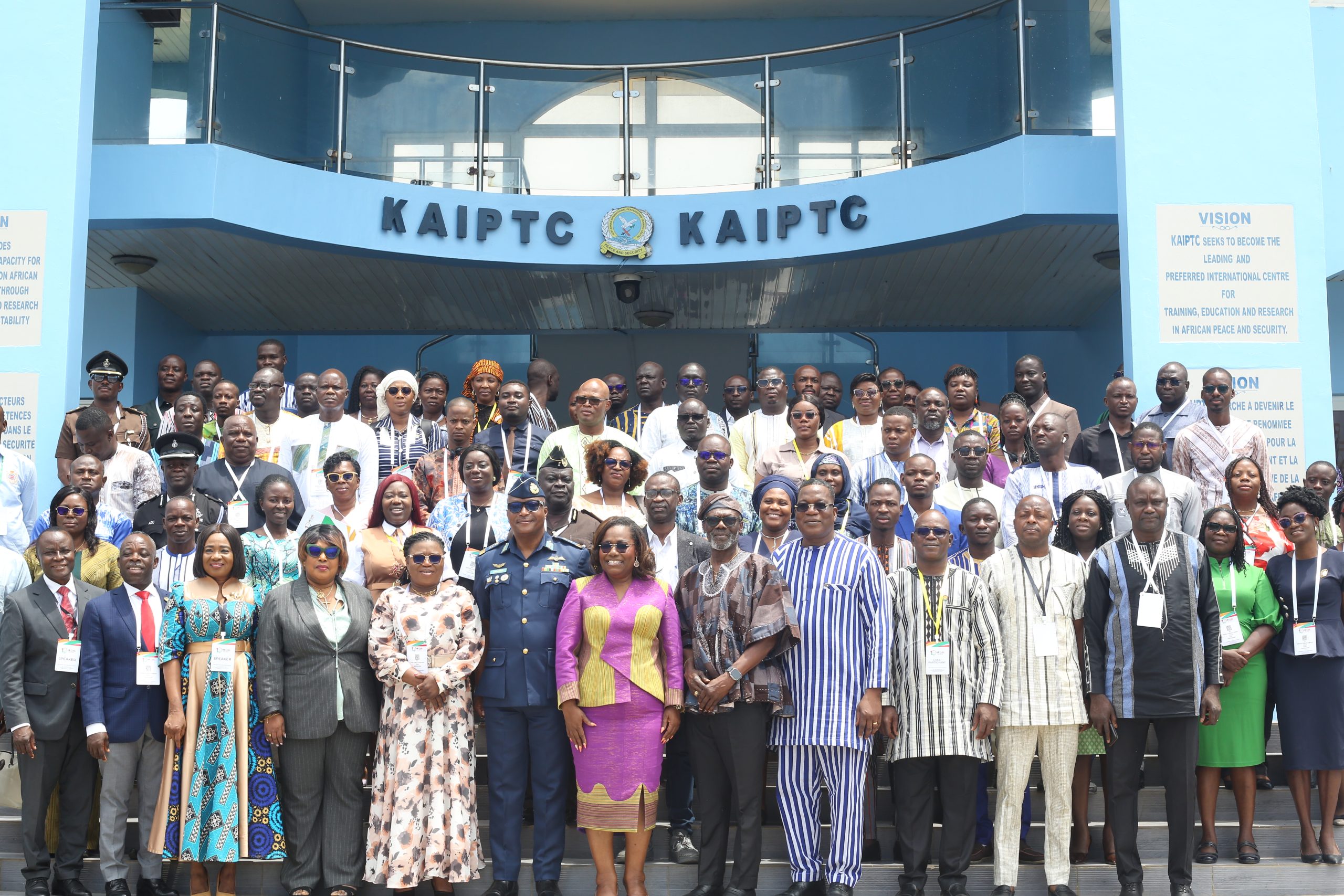
Madam Akanvariba made the statement at the 10th edition of the Human Resource Cafe Conference, the first international edition of the conference, hosted in Ghana in partnership with the Government of Burkina Faso.
She said the government’s public sector reform agenda was focused on institutional innovation, transparency and accountability, professional development, human capital development and improved institutional performance.
“At the heart of these initiatives is a recognition that sustainable public sector transformation cannot be achieved through structures, systems and technology alone. It requires capable, ethical, innovative, adaptable people who are equipped to lead and manage change,” she said.
The Minister said the rapid growth of artificial intelligence, automation and digitalisation was changing jobs, skills, organisational structures and the way public services are delivered.
She noted that artificial intelligence could support decision-making, automate routine tasks, improve productivity and assist in data-driven policy development.
However, she said its adoption also required public institutions to strengthen workforce planning, skills development, ethics, data governance and leadership.
Madam Akanvariba urged public institutions to focus not only on what technology could do but also on how it could be applied responsibly to build better institutions and improve the lives of citizens.
She said the public service of the future must combine technological capabilities with human judgment, ethical leadership, empathy, accountability and a strong commitment to serving the public.
The Minister reaffirmed government’s commitment to building a competent, professional, ethical, accountable, innovative and performance-oriented public service capable of providing responsive, efficient and citizen-centred services.
She said human capital development through capacity building, professional training, leadership development and continuous learning had contributed to improvements in institutional systems, processes and public services.
Madam Akanvariba also called for stronger cooperation between Ghana and Burkina Faso in human resource management and public sector administration.
She said the Human Resource Cafe Conference provides an opportunity for professionals, policymakers, academics and practitioners from both countries to share experiences and develop practical solutions to emerging challenges in the world of work.
The Special Envoy to the President of Ghana to the Alliance of Sahel States, Larry Gbevlo-Lartey, Esq, described Ghana and Burkina Faso as “one people with a common destiny,” saying their shared history and aspirations provided a basis for stronger relations between the two countries.
He said the relationship between Ghana and Burkina Faso went beyond geographical proximity, with the two peoples connected by a long history of togetherness and shared aspirations for Africa’s development.
Joyce Adwoa Animia Ocran, ISD