ASHANTI REGIONAL ISD COMMENCES PUBLIC EDUCATION CAMPAIGN ON FREE PRIMARY HEALTH CARE POLICY
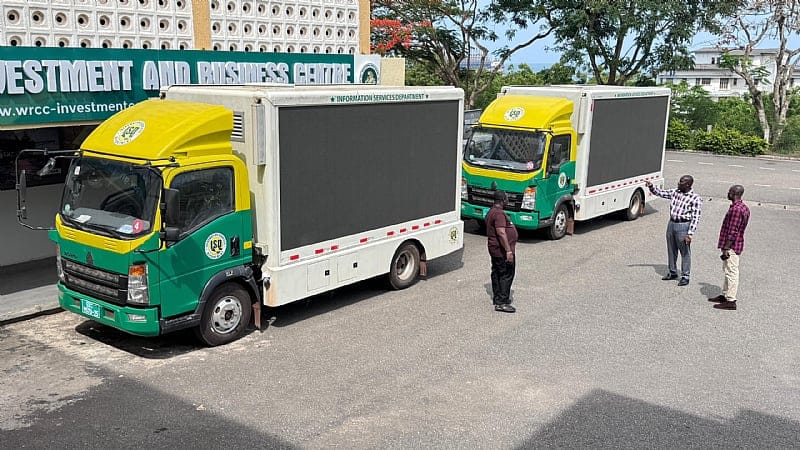
The Ashanti Regional Directorate of the Information Services Department (ISD) has commenced an intensive public education campaign on the Government’s flagship Free Primary Health Care (FPHC) programme, aimed at ensuring that residents understand and take full advantage of the initiative.
The campaign, which commenced on Friday, September 11, 2026, will be carried out across all 43 Metropolitan, Municipal and District Assemblies (MMDAs) in the Ashanti Region.
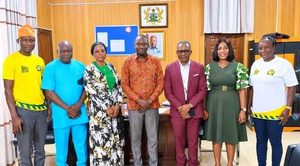
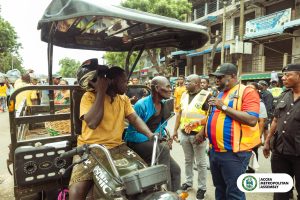
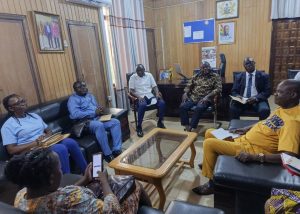
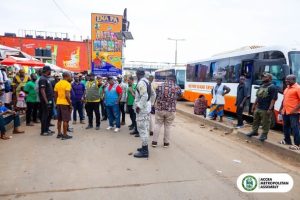
As part of the exercise, Information Officers will engage the public through radio programmes, market centres, lorry stations, churches, mosques, Community Information Centres (CICs), schools and other public places to educate citizens on the objectives, benefits, scope and procedures for accessing services under the FPHC programme.
The exercise is intended to increase public awareness and encourage early utilisation of primary healthcare services, particularly among people who may otherwise delay seeking medical attention because of financial difficulties.
According to the Health Minister, Mr. Kwabena Mintah Akandoh, the FPHC programme represents a major shift in Ghana’s healthcare system from a predominantly treatment-focused approach to one that places greater emphasis on prevention, early detection and timely intervention.
He explained that the programme guarantees free access to a defined package of essential primary healthcare services at Community-based Health Planning and Services (CHPS) compounds, health centres and polyclinics.
The package includes screening for hypertension and diabetes, blood pressure and blood sugar checks, weight and other risk assessments, selected cancer and mental health screening, antenatal and postnatal care, child health services, immunisation, growth monitoring and newborn follow-up.
It also covers family planning and counselling, treatment of common conditions such as malaria, diarrhoeal diseases and respiratory infections, as well as nutrition, physical activity, hygiene and healthy-lifestyle education.
Mr. Akandoh has emphasised that the programme is designed not only to treat illnesses but also to identify health conditions early and prevent them from developing into serious and costly complications.
He noted that health professionals would increasingly move beyond health facilities into communities and households to conduct basic health assessments, including checks on blood pressure, blood sugar levels and body mass index, and refer persons requiring further attention to appropriate health facilities.
The Minister has also clarified that beneficiaries do not need to be NHIS members to access services covered under the FPHC programme. The initiative is intended to complement, rather than replace, the National Health Insurance Scheme (NHIS).
While primary-level services under the FPHC are provided free of charge, patients requiring hospital admission, surgery, specialist treatment or other higher-level services will continue to rely on the NHIS and other appropriate healthcare financing arrangements, including the Ghana Medical Trust Fund, popularly known as MahamaCares.
The programme is being implemented in phases. As of September 2026, it had been extended to 135 districts across all 16 regions, with services being delivered through 4,447 health facilities, comprising 3,774 CHPS compounds, 632 health centres and 41 polyclinics. Government has set a target of achieving nationwide coverage.
Mr. Akandoh has further disclosed that more than 24,000 pieces of medical equipment are being distributed to strengthen primary healthcare facilities, while health workers are being equipped with mobile kits to support community and household-level services.
The Government is also providing mobility support to enable health professionals to reach more communities.
The Information Services Department said the campaign was particularly important because financial barriers, lack of awareness and delayed health-seeking behaviour could result in conditions becoming more complicated and expensive to treat.
The initiative is therefore expected to benefit ordinary Ghanaians, including farmers, market women, drivers, artisans, persons with disabilities, the aged and other vulnerable groups by reducing financial barriers to essential healthcare and encouraging people to seek medical attention early.
The Department urged residents across the Ashanti Region to take advantage of the Free Primary Health Care programme by visiting their nearest participating CHPS compound, health centre or polyclinic whenever they require care.
Residents were also encouraged to cooperate with health professionals who visit communities and households to conduct screening and health education, as the success of the programme depends on active public participation and a strong preventive-health culture.
The ISD further urged chiefs, religious leaders, community leaders, media practitioners and other stakeholders to support the public education campaign to ensure that information about the programme reaches every community in the region.
Daniel Akwasi Nuako, ISD,
Ashanti Regional Office