Deputy Health Minister charges Regions to Fix Adolescent Health Service Gaps
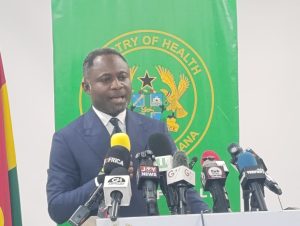
The Deputy Minister of Health, Dr. Grace Ayensu Danquah, has urged regional health managers to identify and address at least one adolescent health service gap within the next 30 days as part of efforts to improve healthcare for young people across the country.
She charged all regional health directorates to make adolescent health a permanent agenda item at their executive meetings and take greater responsibility for the performance of health facilities under their supervision.
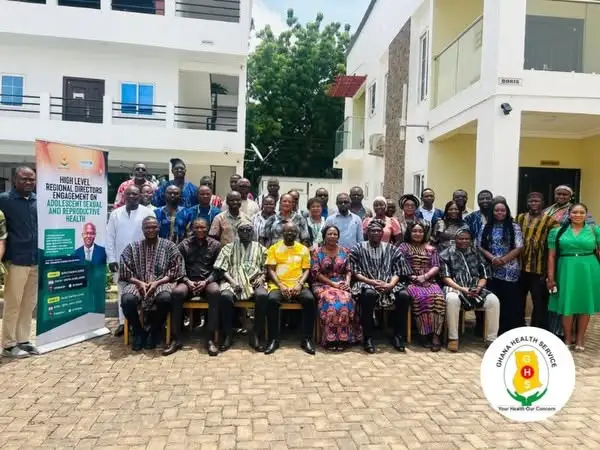
Dr. Ayensu Danquah gave the directive at a high-level regional meeting organised by the Ghana Health Service (GHS) in partnership with UNICEF Ghana to strengthen adolescent sexual and reproductive health services through the nationwide expansion of the Adolescent Safety Net Programme.
She urged health managers to move beyond collecting statistics and use data to drive decisions that improve services for adolescents.
“Every region must know its numbers and act on them. Adolescent health should become a standing item at executive meetings, and within the next 30 days each region should identify and address at least one service delivery gap,” she said.
Dr. Ayensu Danquah said the long-term success of health programmes depends on accountable leadership, regular monitoring and the willingness of managers to solve problems within their own jurisdictions.
She said regional leaders should not wait for national directives before responding to challenges affecting service delivery, adding that local action is essential to improving health outcomes for adolescent girls.
On his part, the Northern Regional Director of Health Services, Dr. Chrysantus Kubio, said adolescent pregnancy continues to place pressure on the healthcare system.
He disclosed that the Northern Region recorded 955 institutional deliveries involving adolescents within the past year, adding that some young mothers died during childbirth despite attending antenatal care several times.
“If adolescent girls continue to die from preventable causes, then we must examine the quality of care we are providing and fix the gaps,” he said.
The Director of the Family Health Division at GHS, Dr. Kennedy Brightson, said the Safety Net Programme seeks to integrate adolescent friendly services into Ghana’s primary healthcare system and ensure vulnerable girls receive care as early as possible.
“We cannot wait for girls to visit our facilities before offering support. We must reach them in schools, communities and workplaces and connect them to the services they need,” he said.
The Adolescent Safety Net Programme, introduced as a pilot in 2017, is implemented by the Ghana Health Service with support from UNICEF Ghana in collaboration with the Ghana Education Service and the Department of Social Welfare.
It provides health, psychosocial and social support to pregnant adolescents and adolescent mothers while helping them return to school and access social protection services.
Priscilla Osei-Wusu Nimako,ISD