Deputy Minister of Local Government Calls for Stronger Professional Administration in Chieftaincy Institutions
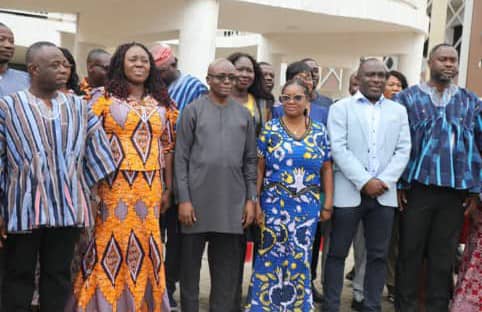
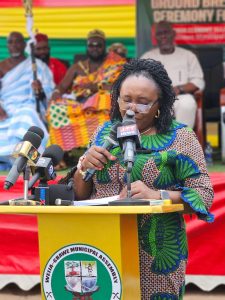
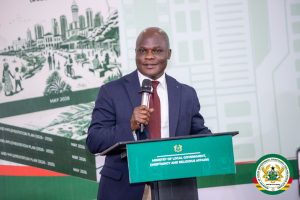
The Deputy Minister for Local Government, Chieftaincy and Religious Affairs, Rita Naa Odoley Sowah, has called for stronger professional administration within Ghana’s chieftaincy institutions.
She noted that efficient administrative systems are essential to preserving the credibility and effectiveness of traditional governance.
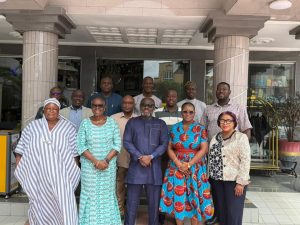
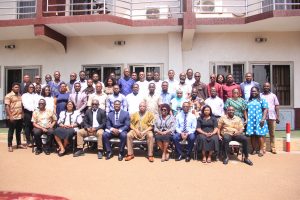
She made the call at the opening of a two-day Capacity Building Workshop for Registrars of the National and Regional Houses of Chiefs at the Institute of Local Government Studies (ILGS)on Wednesday in Accra.
Addressing Registrars from across the country, the Deputy Minister said the success of Ghana’s chieftaincy institution depended not only on the leadership of chiefs but also on the competence and commitment of the officers who support their work.
“The institution of chieftaincy remains one of Ghana’s most respected governance structures; its effectiveness depends not only on the wisdom of our traditional leaders but equally on the professionalism, competence and dedication of the administrative officers who support them,” she said.
Madam. Sowah described Registrars as the administrative backbone of the Regional Houses of Chiefs and Traditional Councils, explaining that they play a central role in maintaining official records, supporting judicial committees, coordinating proceedings and linking traditional authorities with the public administration system.
She observed that the responsibilities of Registrars have become more demanding as chieftaincy administration continues to evolve alongside modern public sector practices.
“The changing nature of public administration requires continuous learning. Registrars must be equipped to meet administrative requirements while respecting the customs, traditions and values that define our chieftaincy institutions,” she added.
The Deputy Minister said the workshop was designed to equip participants with practical skills in judicial administration, leadership, institutional governance, human resource management and the relationship between traditional governance and the public service.
She noted that a proper understanding of professional roles, reporting lines and institutional responsibilities would improve coordination within the Houses of Chiefs and strengthen service delivery.
She urged participants to uphold integrity, accountability, impartiality and professionalism in the discharge of their duties.
“Public confidence in our traditional governance institutions depends greatly on the ethical conduct of those who serve them. Your commitment to fairness, transparency and professionalism will strengthen these institutions for future generations,” she stated.
She assured the Registrars that the Ministry would continue to invest in strengthening the institutional capacity of the chieftaincy sector and deepen collaboration between traditional authorities and the public service.
She encouraged participants to use the workshop to exchange experiences, discuss common challenges and identify practical solutions that would improve the administration of chieftaincy institutions across the country.
The two-day workshop brings together Registrars of the National and Regional Houses of Chiefs to enhance their professional capacity and improve administrative support for Ghana’s traditional governance system.
Priscilla Osei-Wusu Nimako, ISD