Government Unveils New Urban Policy to Tackle Housing, Infrastructure Challenges
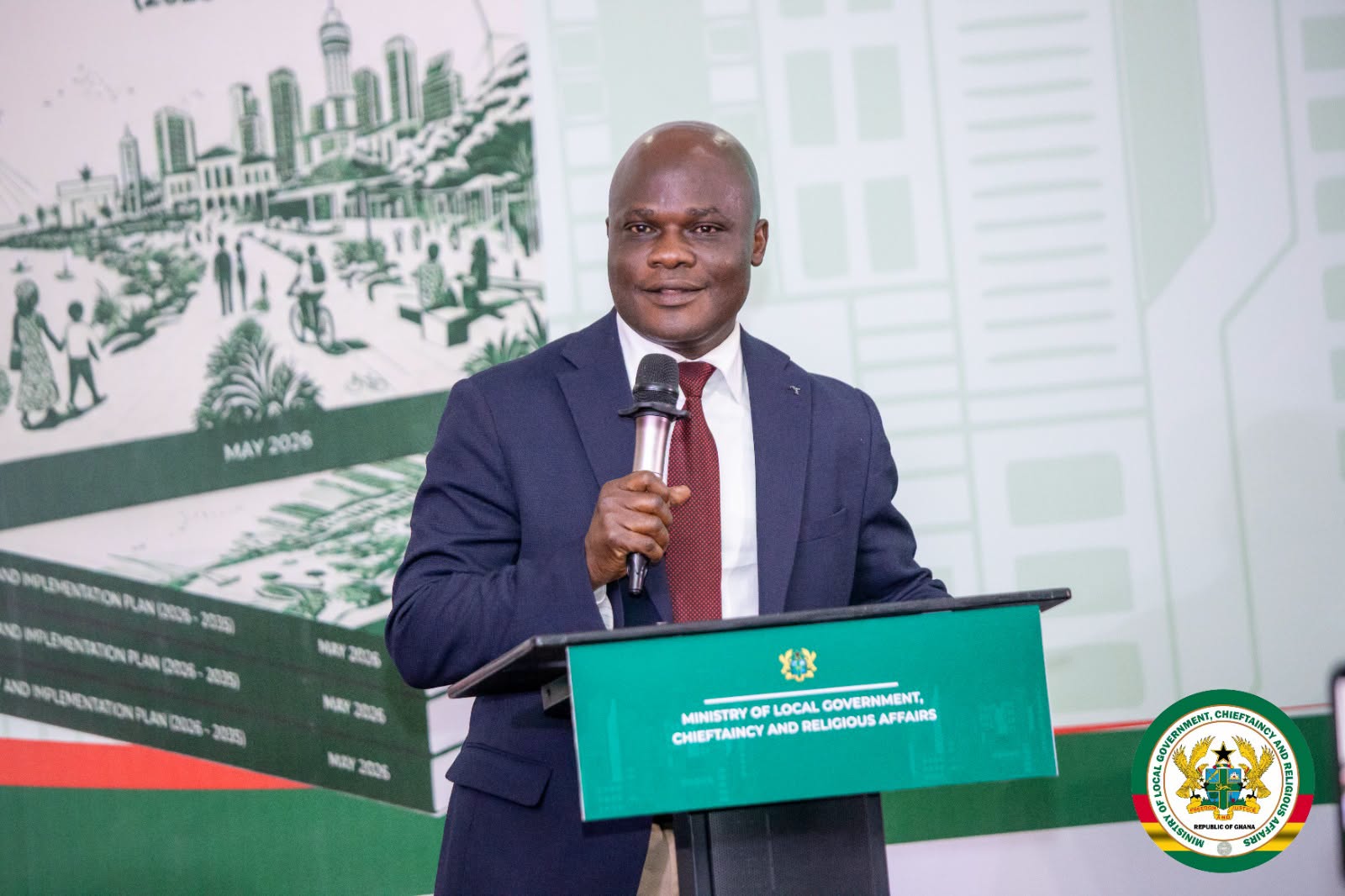
The Government has launched a new National Urban Policy (2026–2035) and the National Slum Upgrading and Prevention Strategy (2026–2035), setting out an ambitious roadmap to address Ghana’s growing urban challenges and build more inclusive, resilient and sustainable cities.
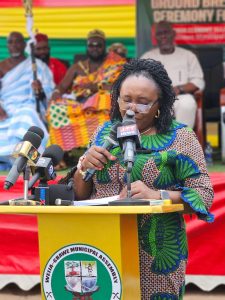
The two policy frameworks were unveiled at the opening of the Ninth Ghana Urban Forum, held under the theme, “Resetting Ghana’s Urban Future: Thinking Nationally and Taking Local Actions for Inclusive, Resilient and Sustainable Cities.”
Speaking at the event, the Minister for Local Government, Chieftaincy and Religious Affairs, Ahmed Ibrahim, said the launch represents a renewed national commitment to managing Ghana’s rapid urbanisation through coordinated planning and stronger collaboration among government institutions, local authorities, development partners, the private sector and citizens.
He noted that while urbanisation has created opportunities for economic growth, innovation, trade and employment, it has also intensified challenges such as inadequate housing, infrastructure deficits, traffic congestion, flooding, environmental degradation and the expansion of informal settlements.
According to the Minister, the new National Urban Policy builds on lessons from the country’s first urban policy introduced in 2012, which helped improve urban governance, infrastructure development, mobility, resilience and service delivery.
Following more than a decade of implementation, the Ministry undertook a comprehensive review involving government agencies, local authorities, academia, professional bodies, civil society organisations and development partners to develop a more responsive framework for the next decade.
The policy outlines key priorities including sustainable urban growth, improved land use planning, climate resilience, urban economic development, better financing for infrastructure and public services, affordable housing, enhanced urban safety and equitable access to essential services.
Mr Ibrahim noted that achieving these goals will require strong partnerships, saying government alone cannot deliver the transformation needed to meet the demands of Ghana’s rapidly expanding urban population.
Alongside the urban policy, the Government also launched the National Slum Upgrading and Prevention Strategy (2026–2035), which seeks to improve living conditions in informal settlements while preventing the emergence of new slums.
The strategy focuses on integrated upgrading, improved access to basic services, stronger land and housing management systems, increased community participation and long-term preventive measures.
The Minister described the strategy as a key step toward promoting social inclusion, protecting human dignity and ensuring sustainable urban development across the country.
He commended the various institutions and development partners that contributed to the preparation of the two frameworks, including UN-Habitat, the World Bank, the European Union, United Nations Children’s Fund (UNICEF) and the UK Foreign, Commonwealth & Development Office (UK-FCDO).
Emphasising that implementation will determine the success of the policies, the Minister called on Metropolitan, Municipal and District Assemblies to integrate the new frameworks into their development plans and budgets.
He also appealed for sustained support from development partners, greater private-sector investment and active citizen participation to help build cleaner, safer and more resilient communities.
He reaffirmed the Ministry’s commitment to coordinating the implementation, monitoring and evaluation of both policies to ensure they guide future investments, strengthen institutions and improve the quality of life for Ghanaians.
Grace Acheampong, ISD