Ghana Calls for Dedicated Financing Mechanism Under Fossil Fuel Treaty
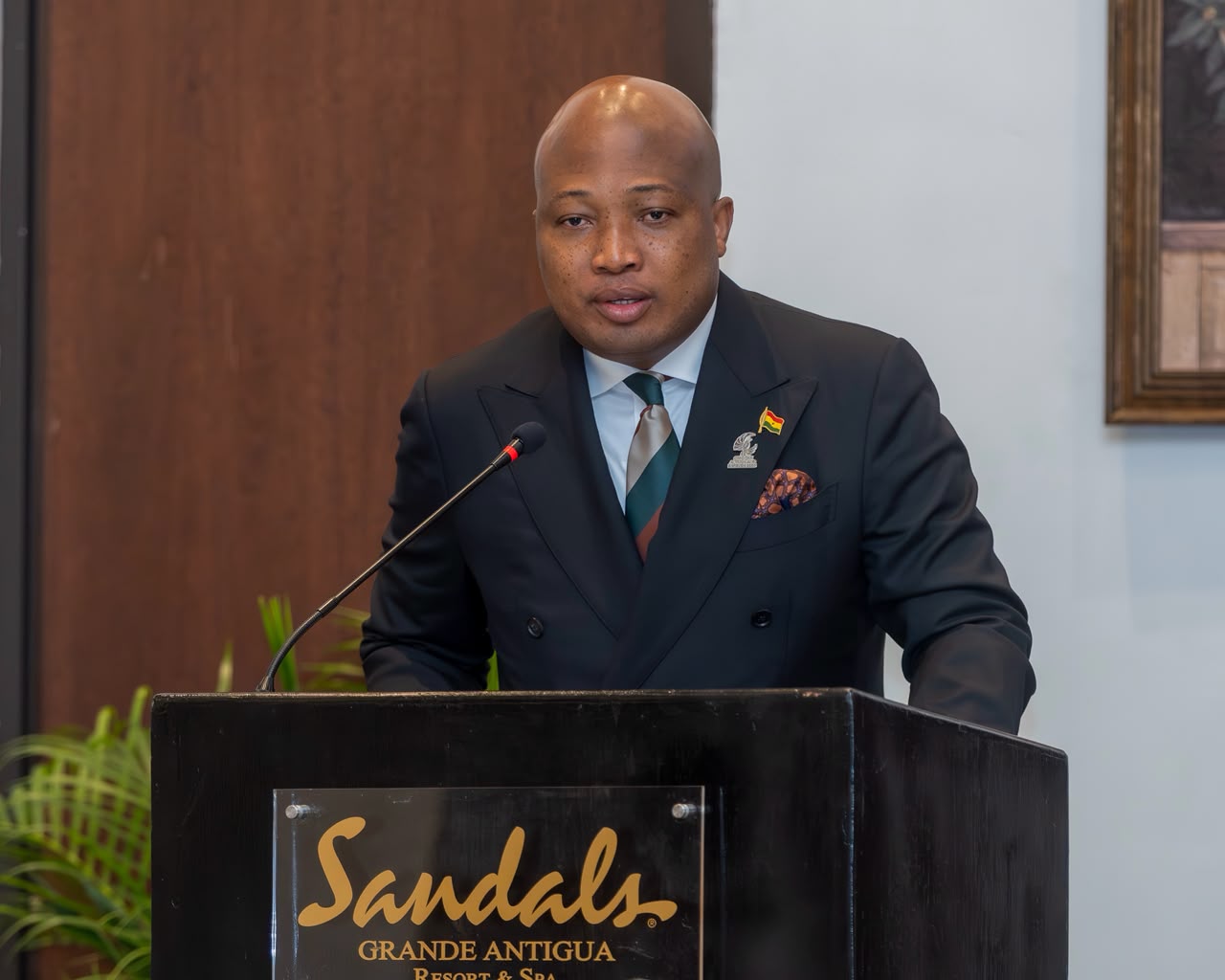
Ghana has called for the establishment of a dedicated and accessible financing mechanism under the proposed Fossil Fuel Treaty to help developing countries transition to cleaner energy without undermining their economic development.
The Minister for Foreign Affairs, Mr. Samuel Okudzeto Ablakwa, said the transition from fossil fuels must be supported by adequate financial resources, technology transfer and debt relief to enable resource-dependent economies to manage its economic and social consequences.
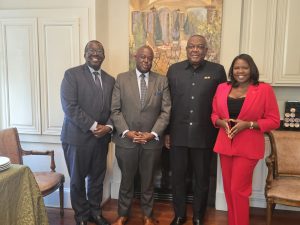
He made the call at a High-Level Breakfast Meeting on the Fossil Fuel Treaty Initiative for Commonwealth Ministers of Foreign Affairs in St. John’s, Antigua and Barbuda, on Monday.
According to him, while Ghana recognised the need for collective climate action, the transition must take into account differences in national development levels, energy requirements, financial capacity and historical contributions to greenhouse gas emissions.
Mr. Ablakwa noted that oil and gas development had contributed to Ghana’s economic transformation through employment, foreign exchange earnings and public revenues, which had supported investments in education, health, infrastructure and renewable energy.
He said domestic natural gas also played an important role in electricity generation, while associated gas processing supported the supply of liquefied petroleum gas for cooking.
“These contributions demonstrate why an orderly transition is essential,” he said, adding that energy must remain affordable and reliable for households and industries as Ghana progressively expanded cleaner energy sources.
The Minister said petroleum revenues, if prudently managed, could help finance renewable energy investments, strengthen the national energy mix and support industrial development.
He explained that Ghana’s energy transition strategy, informed by President John Dramani Mahama’s Reset Agenda, sought to combine economic transformation, industrial diversification, energy security and sustainable development.
Mr. Ablakwa said the proposed treaty could support producing economies through a dedicated financing mechanism for renewable and low-carbon projects, alongside debt restructuring or relief to create fiscal space for investment.
He also called for grants and concessional financing from multilateral development banks to reduce the financial burden on resource-dependent economies, adding that financial support must be complemented by practical technology transfer arrangements, technical assistance and investment mobilisation.
The Minister further called for measures to protect workers and communities dependent on petroleum activities through retraining, economic empowerment and alternative employment programmes.
He said, Ghana, remained committed to the objectives of the Paris Agreement and welcomed continued constructive engagement on the proposed Fossil Fuel Treaty, provided its consideration was guided by the legitimate circumstances and priorities of participating states.
Margaret Adjeley Sowah, ISD