Ghana Renews Call for Africa’s Permanent Seat on UN Security Council
Ghana has renewed its call for reforms of the United Nations Security Council to secure permanent representation for Africa, saying the current global governance system must reflect contemporary realities and the principle of sovereign equality among nations.
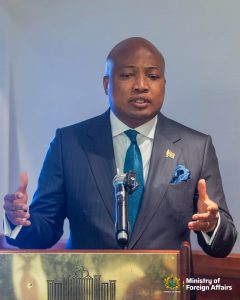
The Deputy Minister for Foreign Affairs, Mr James Gyakye Quayson, said meaningful reforms were necessary to make the United Nations more inclusive, equitable and responsive to the needs of its member states.
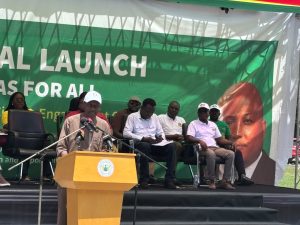
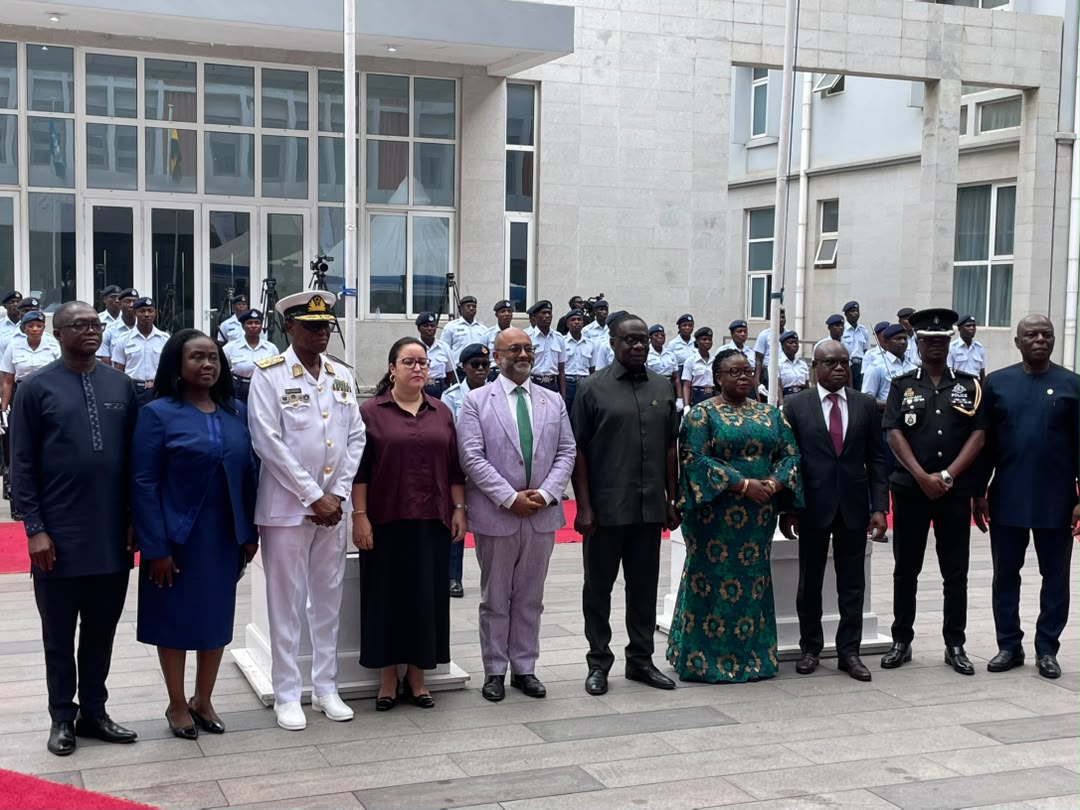
He made the call at the 2026 United Nations flag-raising ceremony in Accra on Tuesday to mark the 81st anniversary of the organisation.
Mr Quayson said the call for reform, made by President John Dramani Mahama in his address to the UN General Assembly, reflected the urgent need to address Africa’s underrepresentation in global decision-making.
He noted that the continent deserved a stronger voice in decisions affecting international peace, security and development, particularly at a time when conflicts, geopolitical tensions, economic inequalities and climate change continued to challenge global cooperation.
The deputy minister said the credibility of the United Nations depended not only on the principles it upheld but also on its ability to deliver tangible results and respond fairly to the concerns of its members.
He observed that confidence in multilateralism was declining as the gap between international commitments and the realities confronting vulnerable populations continued to widen.
“Trust collapses when the Security Council fails to halt devastating conflicts, such as in Sudan. It erodes when international law is applied selectively, fracturing our shared principles,” he said.
Mr Quayson added that unmet commitments on sustainable development and climate finance further weakened confidence in the international system.
He said the response to a weakened multilateral system should not be a retreat from international cooperation but a collective effort to build a more representative, accountable and effective United Nations.
“For us, a rule-based order is no abstraction. It is the vital safeguard for our sovereignty, the bedrock of peace, and an essential platform for national progress,” he said.
The deputy minister stated that Ghana remained committed to working with other member states to strengthen multilateral cooperation and address the challenges confronting the international community.
He noted that Ghana’s relationship with the United Nations was rooted in the country’s history, with membership secured within days of independence in 1957.
He said the country’s founding president, Dr Kwame Nkrumah, recognised that Ghana’s freedom and prosperity were closely linked to the liberation, dignity and progress of other peoples.
The deputy minister stated that Ghana would continue to work with neighbouring countries and regional partners through dialogue and collaboration to respond to emerging security threats.
On his part, the UN Resident Coordinator in Ghana, H.E. Zia Choudhury, said restoring public confidence required the UN to improve public engagement and demonstrate how its work addressed people’s everyday concerns.
He warned that disinformation was distorting public understanding of multilateralism at a time when the world faced armed conflicts, climate change and rising inequalities.
He urged countries to renew their commitment to international cooperation, quoting UN Secretary-General António Guterres’s call for “dialogue over division, cooperation over confrontation, solidarity over fear.”
The ceremony was held under the theme of restoring trust, managing transformation: a United Nations that delivers for all.
MARGARET ADJELEY SOWAH, ISD