Ghana Urges Global Support for Electrification and Climate Resilience Efforts
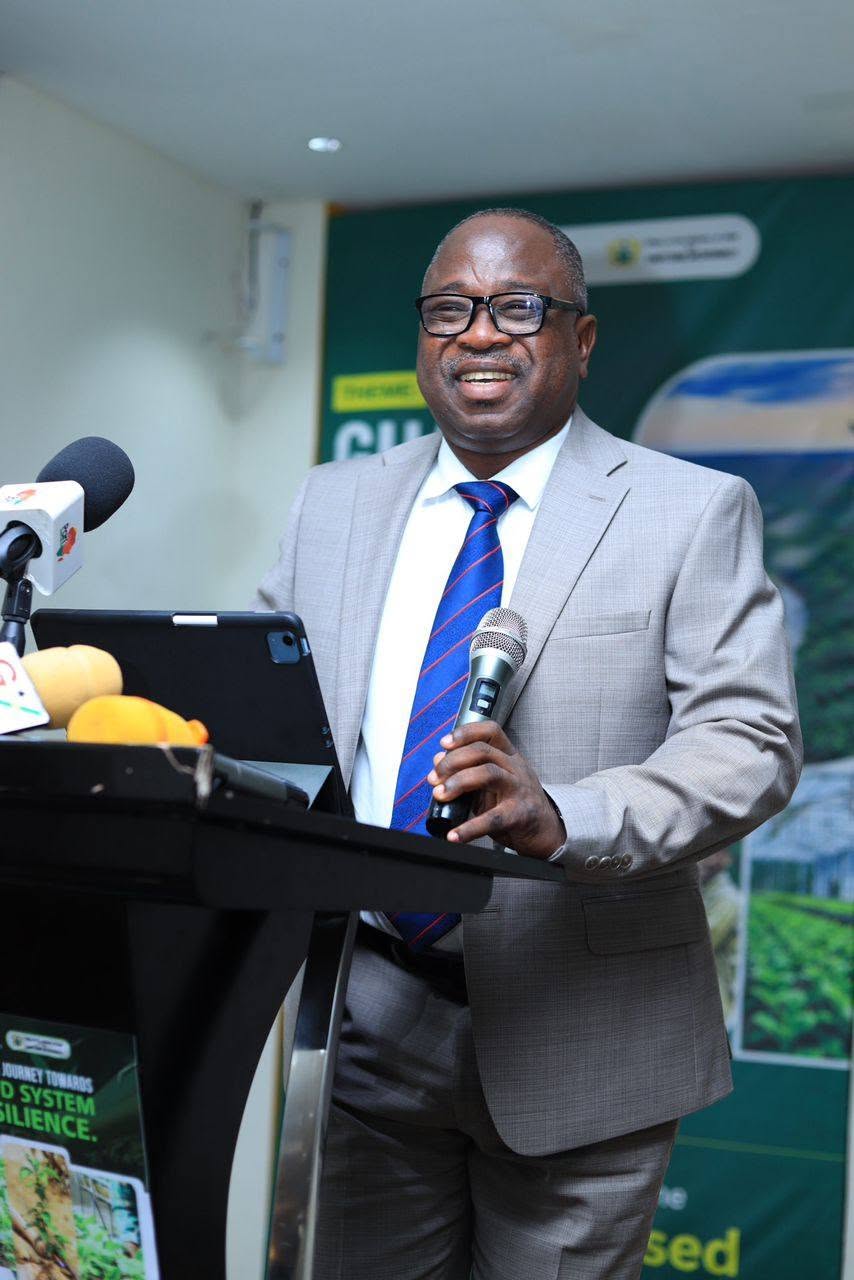
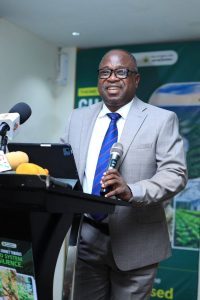
The Minister of State for Climate Change and Sustainability, Seidu Issifu, has called on the international community to strengthen support for electrification and climate resilience initiatives across Africa.
He stressed that sustainable energy systems are essential to addressing the continent’s growing climate challenges.
The minister made the call during a high-level side event at the Bonn Climate Change Conference in Germany on Wednesday.
He highlighted the importance of demand-side electrification in driving Africa’s energy transition and sustainable development agenda.
According to Mr. Issifu, electrification should no longer be viewed solely as an energy policy objective but as a critical tool for climate adaptation and economic transformation.
“Electrification is no longer merely an energy strategy but a pathway to sustainable development and climate adaptation for vulnerable countries,” he stated.
The Minister observed that despite contributing minimally to global greenhouse gas emissions, Africa continues to suffer disproportionately from the impacts of climate change.
Mr. Issifu emphasized the need to focus not only on electricity generation but also on future demand patterns, particularly the increasing demand for cooling technologies as temperatures rise across West Africa.
He explained that investments in energy-efficient cooling systems could improve public health, enhance productivity and contribute to greater stability of electricity grids, making them an important component of climate adaptation strategies.
The Minister noted the importance of strengthening electricity infrastructure, warning that inadequate investment in power grids could hinder industrial growth, weaken energy security and undermine climate resilience efforts.
“For Ghana and many countries across West Africa, modern and resilient grids will determine whether industrial growth and clean energy adoption can be achieved at scale,” he said.
Mr. Issifu further called for increased climate financing, including concessional funding and tailored support mechanisms to help local institutions effectively implement climate and energy projects.
He noted that Ghana requires more than $22 billion in climate resilience and adaptation financing by 2030 to meet its climate goals. While acknowledging recent progress, including the mobilisation of $21.8 million from the World Bank for carbon reduction and forest restoration initiatives, he stressed the need for more accessible and responsive financing arrangements.
The Minister disclosed that Ghana intends to position flexible demand, including cooling systems, as a strategic resource within its energy transition framework as part of efforts to build a sustainable and climate-resilient economy.
Judith Twumwaa, ISD