President Mahama pushes local production of medicines and vaccines across Africa
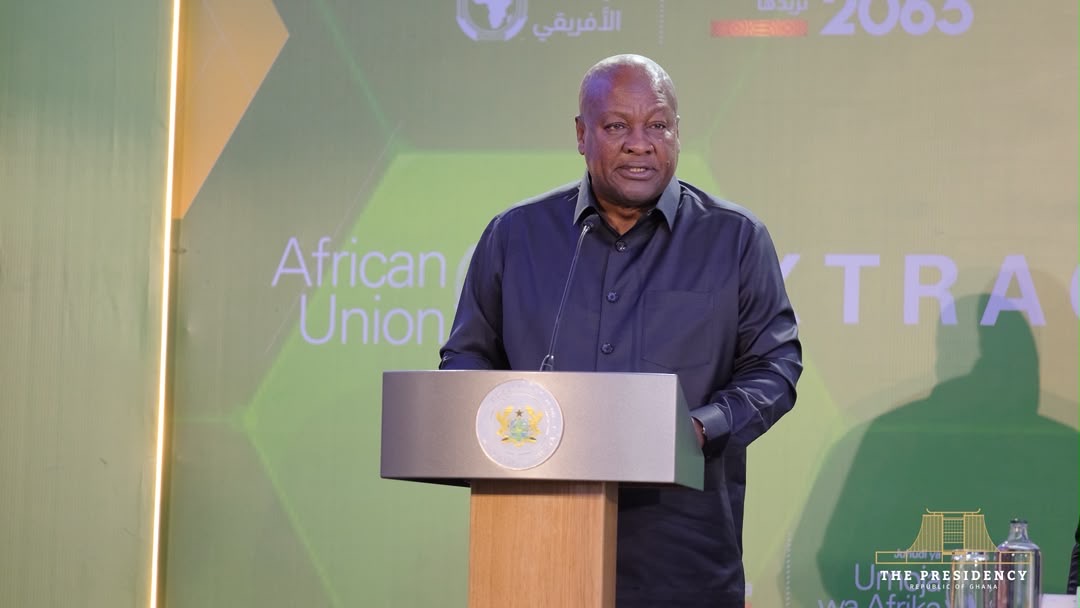
President John Dramani Mahama has called on African leaders to accelerate the local production of medicines, vaccines and other essential medical products.
He said the continent must reduce its dependence on imports and build a resilient healthcare manufacturing industry capable of responding to future public health emergencies.
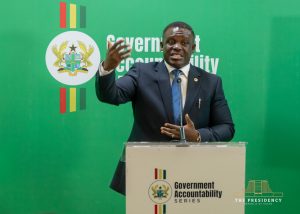
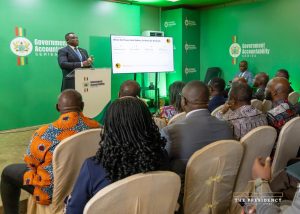
Delivering the keynote address at the African Union Extraordinary Summit on Health in Accra, President Mahama said the COVID-19 pandemic exposed the dangers of Africa’s heavy reliance on external suppliers for critical health commodities and underscored the urgent need to strengthen local pharmaceutical manufacturing.
“Africa still imports about seventy per cent of its medicines, over ninety per cent of its medical devices and almost all of its vaccines,” he said.
“The COVID-19 pandemic reminded us of the dangers of relying almost entirely on external suppliers.”
President Mahama recalled how African countries struggled to access vaccines during the pandemic as wealthier nations secured supplies ahead of the continent.
“We all remember waiting in long queues while wealthier countries secured vaccines before Africa,” he stated.
“That painful experience taught us a lesson we must never forget.”
The President said Africa must draw lasting lessons from the pandemic by investing in local production capacity to ensure the continent was better prepared to respond to future disease outbreaks and public health emergencies.
He expressed optimism about the progress already being made across the continent, noting that several countries were expanding vaccine manufacturing and strengthening scientific research.
“Today, we are witnessing encouraging progress as vaccine manufacturing expands across Africa,” President Mahama said.
“New scientific capacity is emerging in Dakar, Cape Town, Kigali and many other parts of the continent.”
President Mahama said Ghana was equally making strategic investments to strengthen vaccine production through the establishment of the Ghana Vaccine Institute, which forms part of broader efforts to improve Africa’s manufacturing capacity.
“Ghana is equally investing in vaccine production through the Ghana Vaccine Institute to strengthen Africa’s manufacturing capacity,” he said.
He noted that the Pharmaceutical Manufacturing Plan for Africa was steadily moving from policy aspirations to practical implementation, creating new opportunities for the continent to produce more of its own medicines and health products.
“The Pharmaceutical Manufacturing Plan for Africa is no longer merely an aspiration but is steadily becoming a reality,” he stated.
The President also welcomed progress in operationalising the African Medicines Agency, saying the institution would strengthen pharmaceutical regulation and improve the quality, safety and effectiveness of medicines produced and distributed across the continent.
“The African Medicines Agency is moving from treaty commitments to practical implementation that will strengthen pharmaceutical regulation across the continent,” he said.
According to President Mahama, stronger collaboration among African countries through joint procurement systems and continental pharmaceutical strategies would create a larger market for locally manufactured products while improving access to affordable medicines.
“Joint procurement systems and continental pharmaceutical strategies will provide new opportunities for African manufacturers,” he added.
He stressed that building strong pharmaceutical value chains should not be viewed solely as a healthcare intervention but also as an economic strategy capable of driving industrial growth, innovation and employment.
“Building strong health value chains will create industries, laboratories, factories and quality jobs for millions of African youth,” President Mahama said.
He further linked healthcare manufacturing to the objectives of the African Continental Free Trade Area (AfCFTA), saying the continental market provided an opportunity for African countries to build competitive pharmaceutical industries and strengthen regional trade.
“Through the African Continental Free Trade Area, health sovereignty also becomes a strategy for industrialisation, economic transformation and sustainable development,” he stated.
President Mahama said Africa had reached a stage where it could no longer afford to remain dependent on external production for life-saving medicines and vaccines, particularly at a time when global health financing was declining and international supply chains remained vulnerable.
He urged African governments to increase investments in research, innovation, manufacturing infrastructure and regulatory systems to build a competitive pharmaceutical industry capable of serving the continent’s growing healthcare needs.
The President said achieving health sovereignty required African countries to move beyond importing finished products to developing complete pharmaceutical value chains that support research, production, quality assurance and distribution.
He expressed confidence that with sustained political commitment, strategic investments and stronger regional cooperation, Africa could become a major producer of medicines and vaccines while improving access to quality healthcare and strengthening economic resilience across the continent.
Richard Aniagyei, ISD