NDPC and Stakeholders Validate Report on Social Protection Data Coordination and Sharing Mechanism
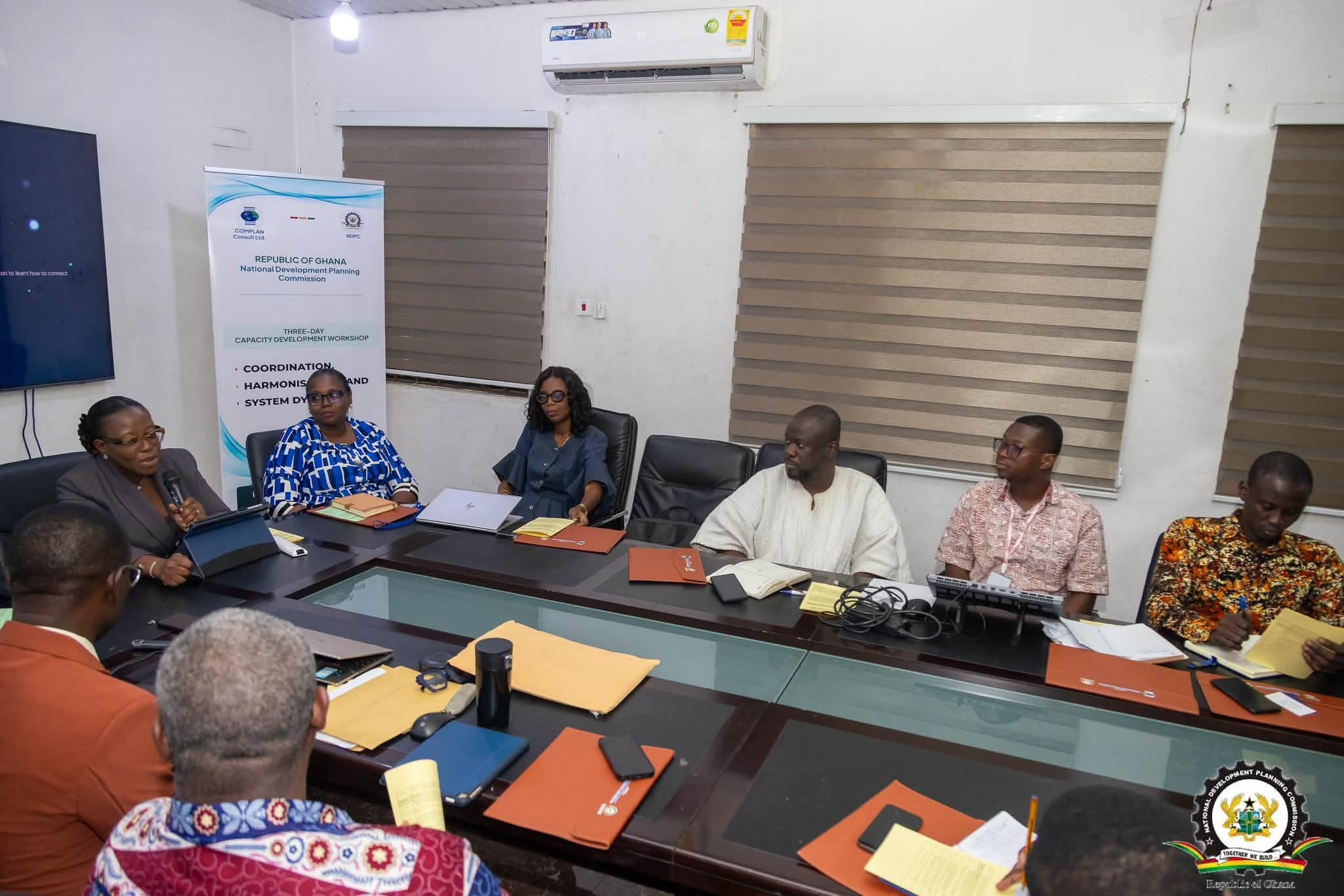
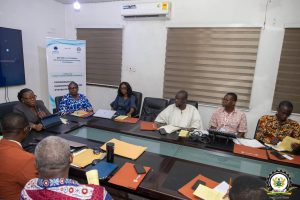
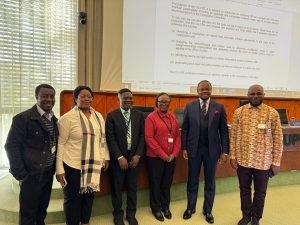
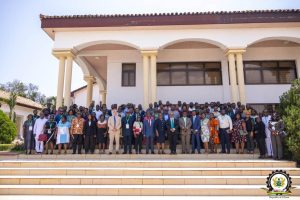
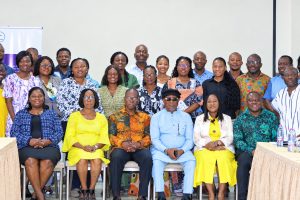
The National Development Planning Commission (NDPC), in collaboration with the Ministry of Gender, Children and Social Protection and with support from the GIZ PAIReD programme, has convened a stakeholder validation meeting to strengthen social protection data coordination and information sharing for effective planning and service delivery in Ghana.
The meeting was held on Thursday in Accra, together with stakeholders to examine the report’s findings and recommendations, identify gaps in existing data systems and propose practical measures to strengthen information sharing across national, regional and district levels.
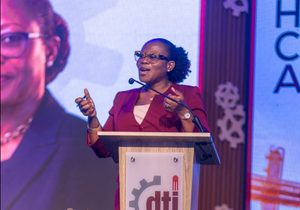
Speaking at the meeting, the Director-General of NDPC, Dr Audrey Smock Amoah, highlighted the importance of reliable, accessible and regularly updated data in identifying vulnerable populations and responding to their needs.
According to her, Ghana’s challenge was not necessarily the absence of data, but difficulties in locating information, identifying the institutions that hold it and determining how it could be shared.
She encouraged participants to critically review the report, identify gaps and propose practical recommendations with clear responsibilities and implementation costs where possible.
The Director of Social Protection at the Ministry of Gender, Children and Social Protection, Madam Francisca Atuluk, stressed that timely, reliable and coordinated data was essential for identifying vulnerable populations, targeting interventions and monitoring social protection programmes.
She said that stakeholders should take ownership of the report and ensure its recommendations translate into practical and sustainable improvements in data coordination and information sharing.
Representing GIZ-PAIReD, Madam Leticia Ernin highlighted the importance of coordinated social protection data in evidence-based planning, resource allocation and monitoring development outcomes.
She stated that effective data sharing required strong leadership, clearly defined institutional roles, trust and collaboration, reaffirming the programme’s commitment to supporting Ghana’s decentralised planning system.
Freda Marfo, ISD