NDPC Calls for Greater Use of Evaluation Evidence in Development Planning
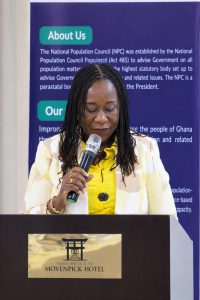
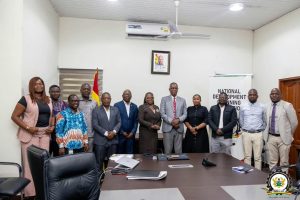
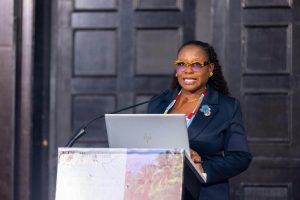
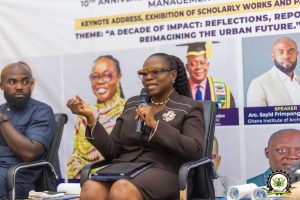
The Director-General of the National Development Planning Commission (NDPC), Dr Audrey Smock Amoah, has called on stakeholders to strengthen the use of evaluation evidence in national development planning to improve policy implementation, resource allocation and accountability.
According to her, evaluation should go beyond data collection and reporting to inform decisions that lead to better development outcomes.
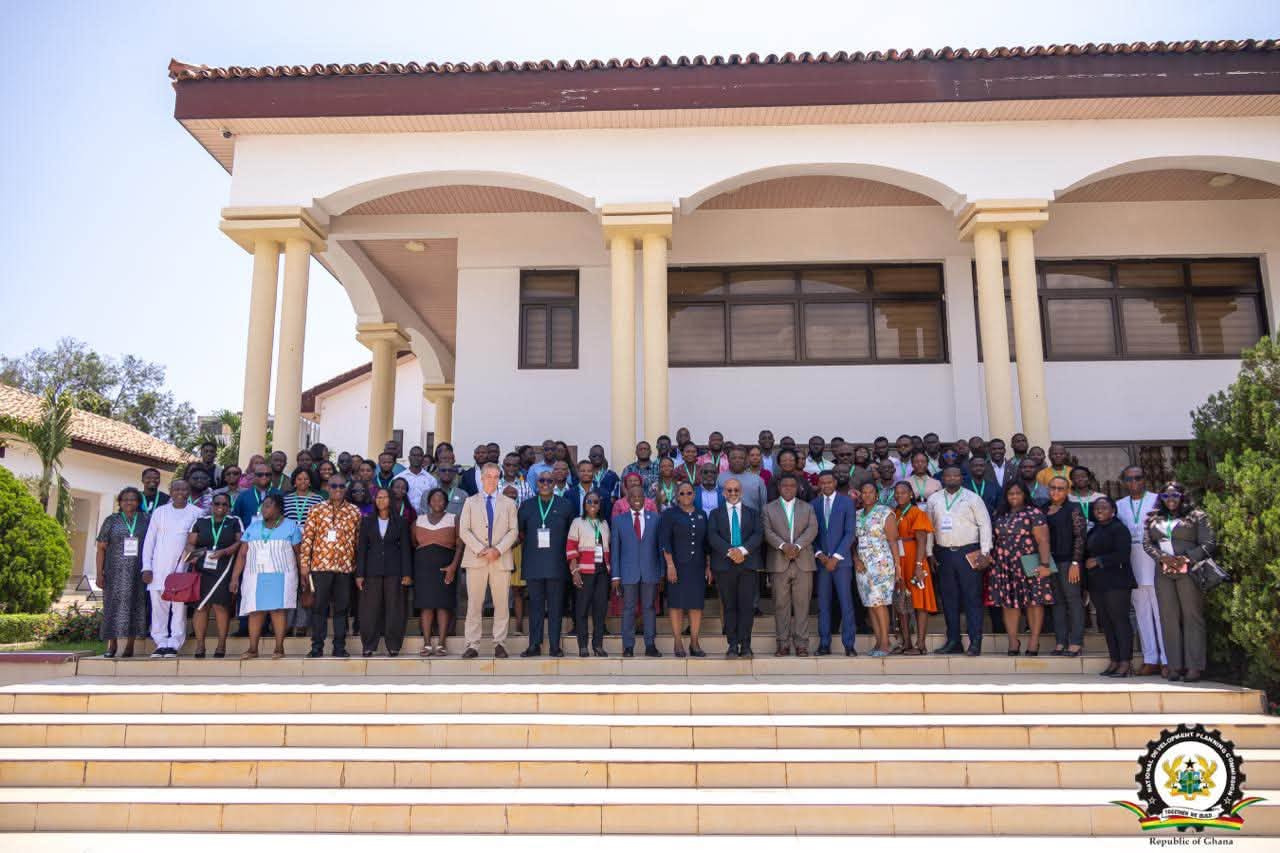
The Director-General made the call at the 2026 Ghana Evaluation Week (GEW) Conference at the University of Ghana, Legon.
Addressing participants on the theme, “Strengthening Evidence Use for Inclusive Development: Bridging Policy, Practice and Innovation,” she stated the need to identify what works, understand implementation gaps and make necessary adjustments to achieve national development goals.
Dr Amoah revealed that the evaluation of the 2022-2025 Medium-Term National Development Policy Framework informed four strategic shifts in the 2026-2029 framework. These include strengthening institutional and human capital, advancing regulatory and legal reforms, ensuring predictable financing and promoting data-driven coordination.
She also disclosed efforts by the NDPC to strengthen evidence generation and utilisation, including the completion of mirror reports on the Livelihood Empowerment Against Poverty (LEAP) programme, the National Health Insurance Scheme (NHIS), Free Senior High School and the Ghana Integrated Financial Management Information System (GIFMIS), with support from GIZ through its Participation, Accountability and Integrity for a Resilient Democracy (PAIReD) programme.
Dr Amoah urged development partners, academia, civil society organisations and the evaluation community to work together to ensure that evidence generated translates into tangible development outcomes.
The President and Coordinator of the Ghana Monitoring and Evaluation Forum (GMEF), Dede Bedu-Addo, also noted the importance of strengthening the organisation’s capacity to sustain its activities and set its own priorities. She noted growing interest from individuals outside Ghana, presenting opportunities to expand collaboration and broaden the organisation’s reach.
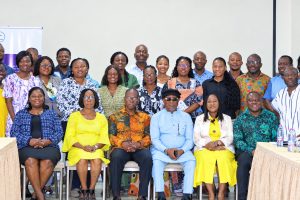
The 2026 Ghana Evaluation Week, being held from 19 to 21 October at the ISSER Conference Room, University of Ghana, Legon, has brought together government officials, development partners, researchers and evaluation practitioners to explore ways of strengthening evidence use in development planning and implementation.
Margaret Adjeley Sowah, ISD