National Population Council Considers Age Four for Reproductive Health Education
The National Population Council (NPC) is considering starting reproductive health education at age four in pre-tertiary schools to align the guidelines with Ghana’s existing national curriculum.
The Acting Executive Director of the NPC, Angelina Osei Kodua-Nyanor, said the proposal followed consultations with stakeholders who questioned why reproductive health education should begin at age six when the national curriculum already introduces children to topics about knowing themselves from age four.
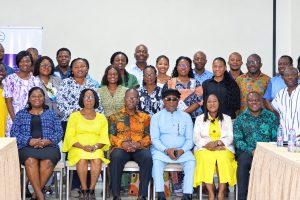
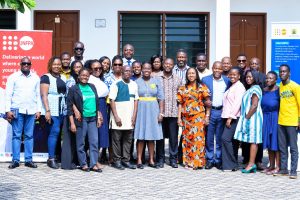
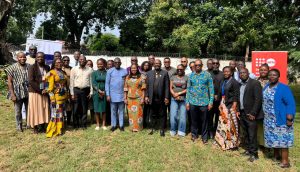
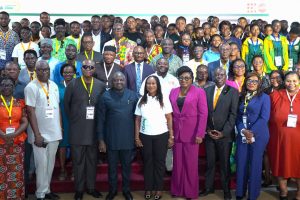
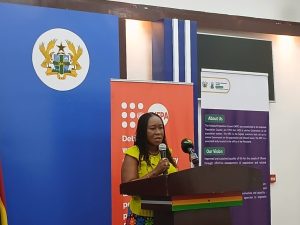
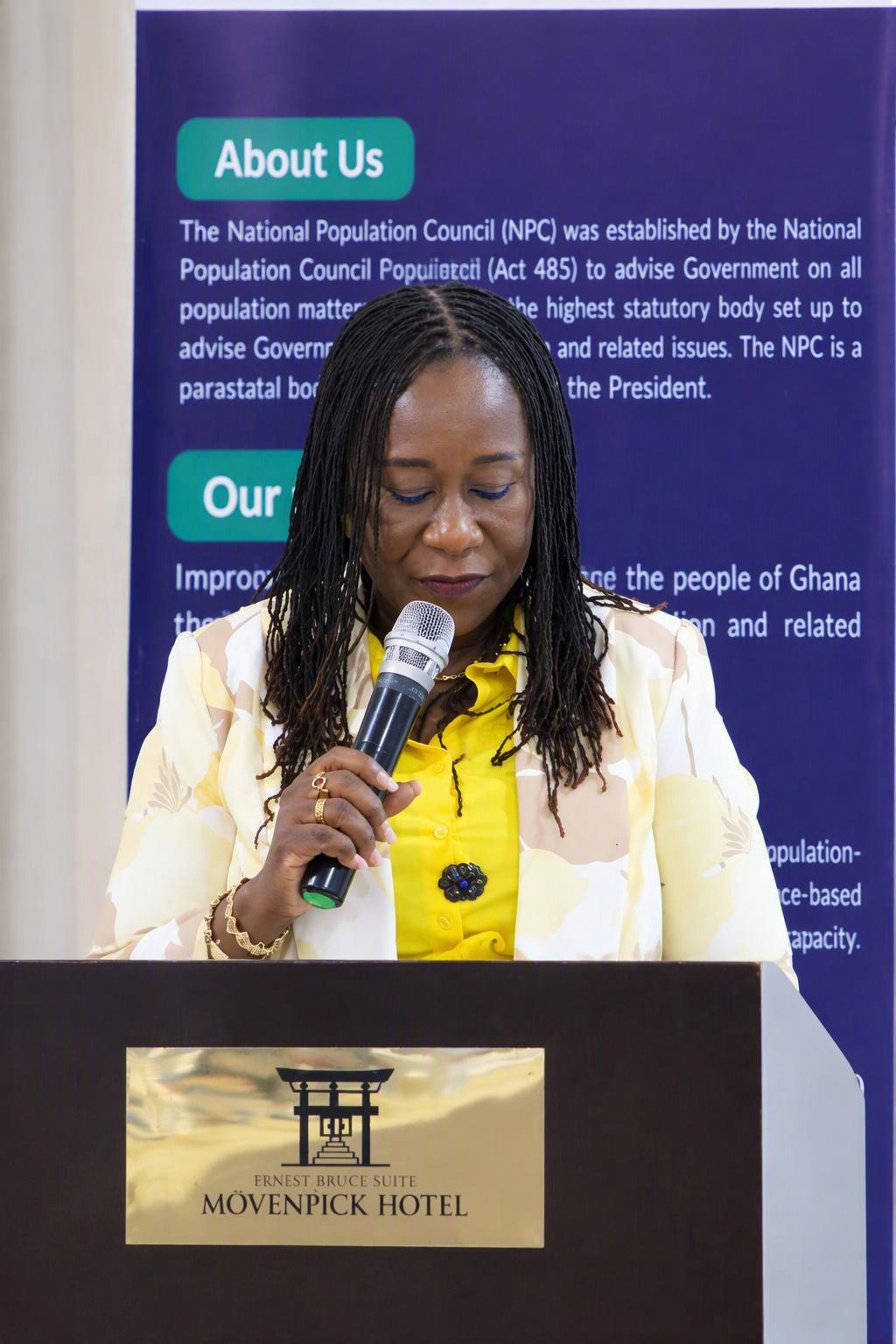
She made the remarks during an interaction with the media at a stakeholder meeting on the revised guidelines for reproductive health education in pre-tertiary schools in Accra on Wednesday.
Mrs Osei Kodua-Nyanor said the Council wanted the guidelines to complement the existing curriculum rather than create a separate educational framework.
She explained that the recommendation to begin at age four emerged from stakeholder consultations and reflected the need to align reproductive health education with topics already taught in schools.
On the change from comprehensive sexuality education to reproductive health education, she said the revised terminology was intended to address cultural and religious concerns surrounding the previous name.
She noted that the Council was working with stakeholders to develop guidelines that would provide young people with accurate information in language that reflects Ghanaian cultural values, beliefs and taboos.
Mrs Osei Kodua-Nyanor said providing appropriate reproductive health information to young people was necessary, particularly as they were increasingly exposed to information through social media and their peers.
“If we do not teach the young people, social media will teach them. Their peers will teach them,” she said.
She explained that the guidelines were intended to help ensure that young people received accurate and appropriate information rather than relying on potentially misleading sources.
The Acting Executive Director also acknowledged that public concerns about the guidelines partly resulted from inadequate communication and misconceptions about their purpose.
She said the Council would broaden its engagement with chiefs, parents, grandmothers, opinion leaders, civil society organisations and young people to improve public understanding of the initiative.
Mrs Osei Kodua-Nyanor clarified that the process had focused on developing guidelines and that detailed teaching content had not yet been developed.
She expressed confidence that wider consultation and effective public education would help communities better understand the objectives of the revised reproductive health education guidelines.
Margaret Adjeley Sowah, ISD