NPC Calls for Nationwide Implementation of Reproductive Health Education Guidelines
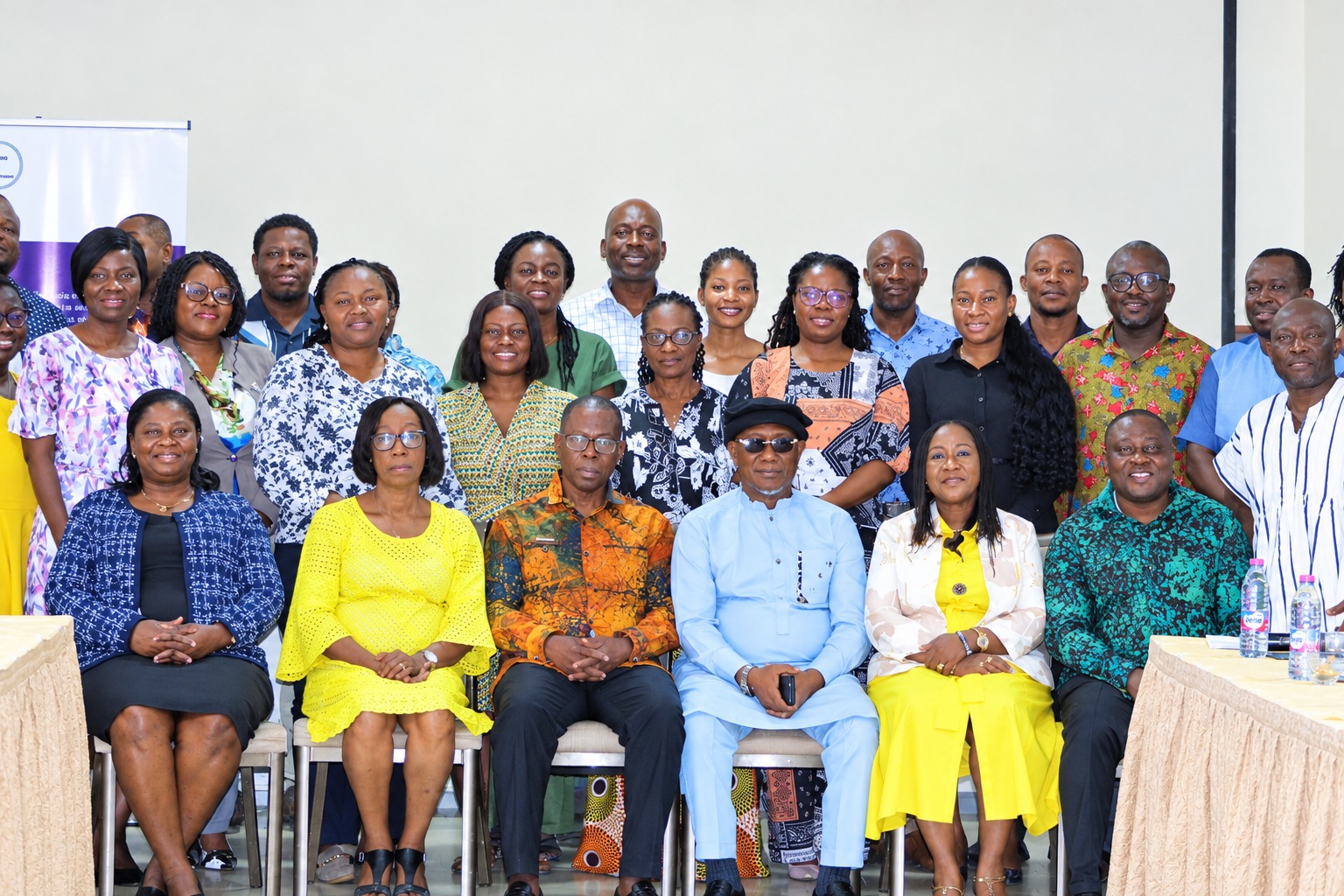
The National Population Council (NPC) has called for collective efforts by government agencies, schools, parents, communities and development partners to ensure the effective nationwide implementation of the revised reproductive health education guidelines for pre-tertiary schools in Ghana.
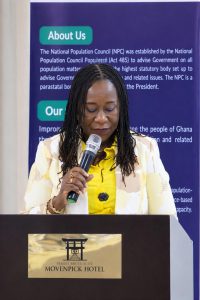
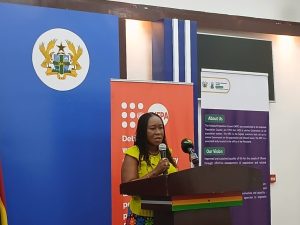
The Acting Executive Director of the NPC, Angelina Osei Kodua-Nyanor, said successful implementation would require adequate teaching and learning resources, strong monitoring mechanisms and sustained collaboration among all implementing institutions.
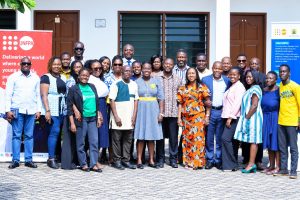
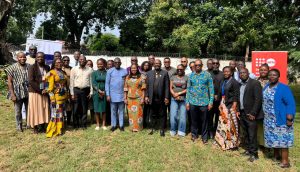
She made the call in her closing remarks at a stakeholder meeting on the revised guidelines for reproductive health education in pre-tertiary schools in Accra on Wednesday.
Mrs Osei Kodua-Nyanor said the revision of the guidelines was timely, given the changing realities facing children and young people both in and outside school.
She explained that the guidelines were intended to equip learners with accurate, age-appropriate and evidence-based information and life skills to help them make informed decisions, protect their health and achieve their full potential.
She said the guidelines would also support broader educational objectives, including quality education, child protection, gender equality and the well-being of learners.
The Acting Executive Director noted that the responsibility of stakeholders extended beyond reviewing and endorsing the document to ensuring that it was practical, culturally sensitive and responsive to learners’ needs while aligning with national education priorities.
She said parents and communities needed to understand and support the guidelines to create an enabling environment for their effective implementation.
Mrs Osei Kodua-Nyanor further called for stronger cooperation among schools, families, religious leaders, development partners and government agencies to build ownership of the guidelines and ensure that learners benefited from the programme.
She urged participants to engage constructively in the review process to reach consensus on the final document and agree on practical strategies for its nationwide dissemination and implementation.
A Senior Lecturer at the Department of Population and Health of the University of Cape Coast (UCC), Prof. Joshua Amo-Adjei, presented findings from a review of reproductive health education content across school subjects from Grade One to secondary school.
He said the curriculum placed considerable emphasis on abstinence but did not adequately address other reproductive health needs of students.
He explained that although abstinence was an important component of reproductive health education, students also needed balanced, evidence-based information that addressed the risks they faced as they grew older.
Prof. Amo-Adjei said the review had also identified inconsistencies in the way reproductive health topics were presented across subjects, making it necessary to improve coordination and ensure that students received accurate and consistent information.
He called for reproductive health education content to be aligned across relevant subjects and supported by clear guidelines to prevent variations in what teachers delivered in the classroom.
He further urged authorities to provide teachers with the necessary training and support to improve the delivery of reproductive health education.
Margaret Adjeley Sowah, ISD