Speaker of Parliament Advocates for Mindset Renewal and Fairer Global Debt System for Africa
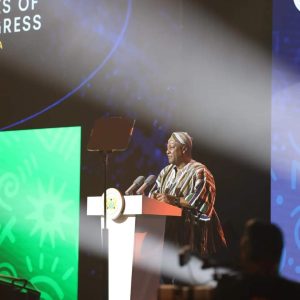
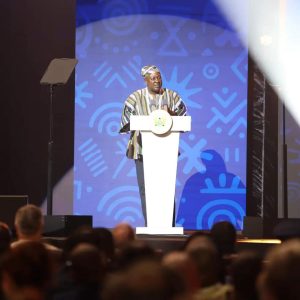
The Speaker of Parliament, Rt. Hon. Alban S.K. Bagbin, has called for a radical renewal of the African mindset and a rule-based system of governance, saying the continent must stop “pulling from the future to pay for the past.”
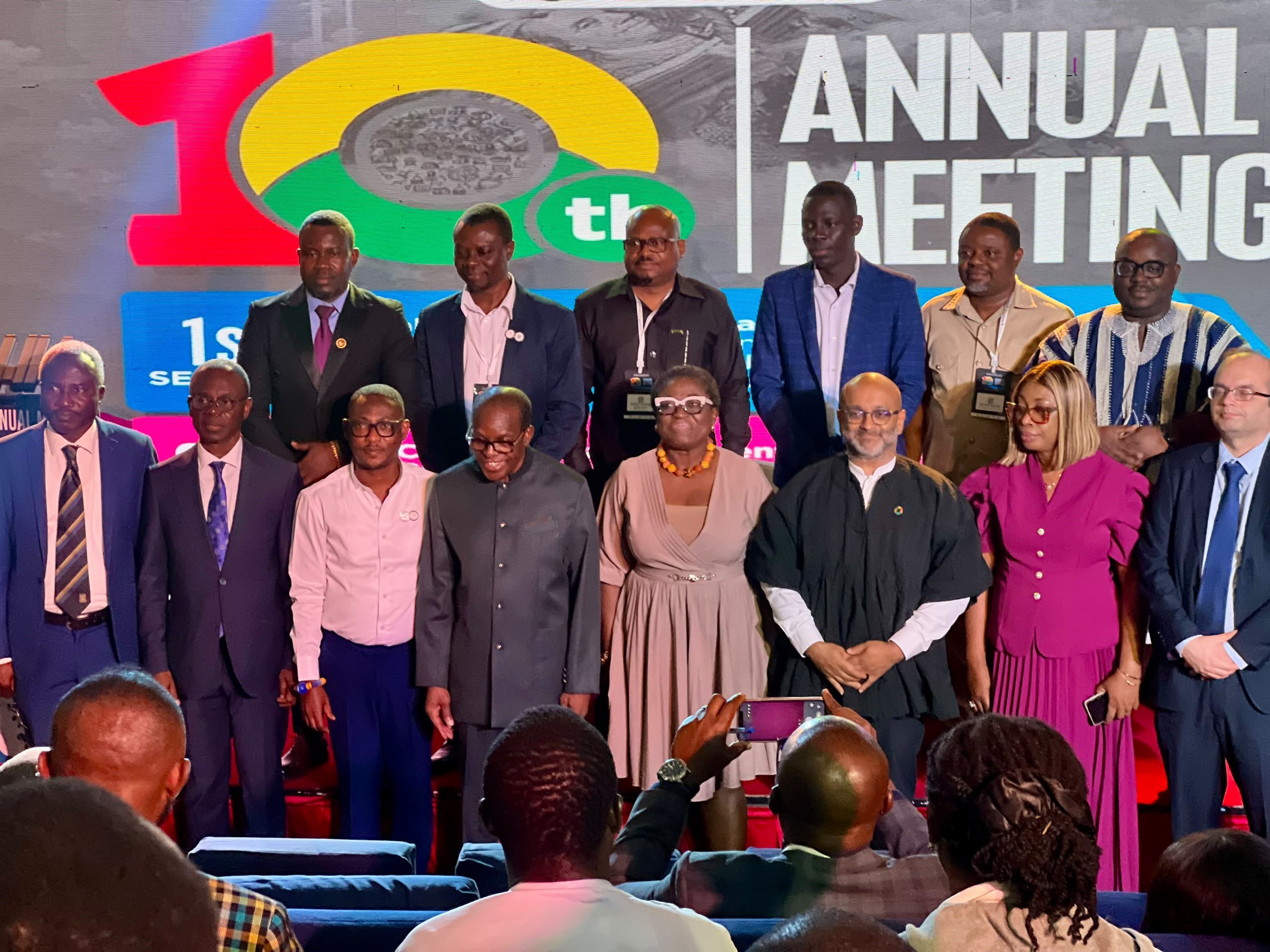
Delivering a keynote address at the 10th anniversary conference of the Ghana International Trade and Finance Conference (GITFiC) and the Global Debt Initiative in Accra on Wednesday, the Speaker anchored his remarks on development, humanity, historical context, and structural economic reform.
He questioned how long Africa could continue borrowing against its future to service past obligations.
As the Chair of the Conference of Speakers and Presidents of African Legislators (COSPA), he noted the need for a coordinated global framework and pushed for a “one-time debt swap.”
“We seek justice. We are not asking the world to feed Africa and the Global South. What we are asking for is a fairer system in which Africa can stand on its own,” the Speaker stated.
Shifting focus to human capital and societal development, Rt. Hon. Bagbin asserted that academic knowledge alone accounts for only 5% of what a person delivers, with skills contributing 25% and attitude making up the remaining 70%.
“Africa needs a renewal of the mindset,” he said pointing out that true transformation requires deep attitudinal change and an understanding of identity.
Drawing comparisons to administrative transformations in Rwanda and Singapore, the Speaker urged Ghana and the wider continent to evaluate inherited colonial public sector frameworks and construct governance models suited to local realities.
The Chief Executive Officer of GITFiC, Selasie Koffi Ackom, recounted the organisation’s achievements over the past decade, including its 2019 conference at the African Union Headquarters in Addis Ababa, as well as the successful rollout of AfCFTA tertiary student clubs and professional training courses.
Mr Ackom’s address focused on bridging the gap between high-level continental trade policies, specifically the African Continental Free Trade Area (AfCFTA) and practical, real-time participation for small and medium-sized enterprises (SMEs) and students.
To achieve this, he outlined the rollout of specialised educational initiatives, including the establishment of AfCFTA tertiary student clubs across universities and the launch of a dedicated professional AfCFTA course.
On his part, the chairman for the commemorative anniversary, Samuel Sarpong, said that debt in itself is not an enemy of development. According to him, borrowing becomes problematic when debt grows faster than an economy’s capacity to service it or when funds fail to generate productive returns.
Citing the International Monetary Fund, he noted that global debt is expected to reach approximately 94% of global GDP and could reach 100 per cent by 2029.
Mr Sarpong stated that addressing the crisis would require moving beyond temporary relief toward genuine debt transformation, fairer financial architectures, and stronger domestic economic foundations.
The conference held on the theme, “Scaling GITFiC’s Global Debt Initiative: Transforming Sovereign Debt Challenges into Catalysts for Sustainable Development and Economic Broad-Based Prosperity,” also celebrated the graduation of the first cohort of students from the AfCFTA professional course, conducted in partnership with the University of Ghana.
Margaret Adjeley Sowah, ISD