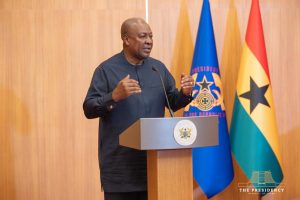
President Mahama Urges Chiefs to Lead Community Cleaning Exercises
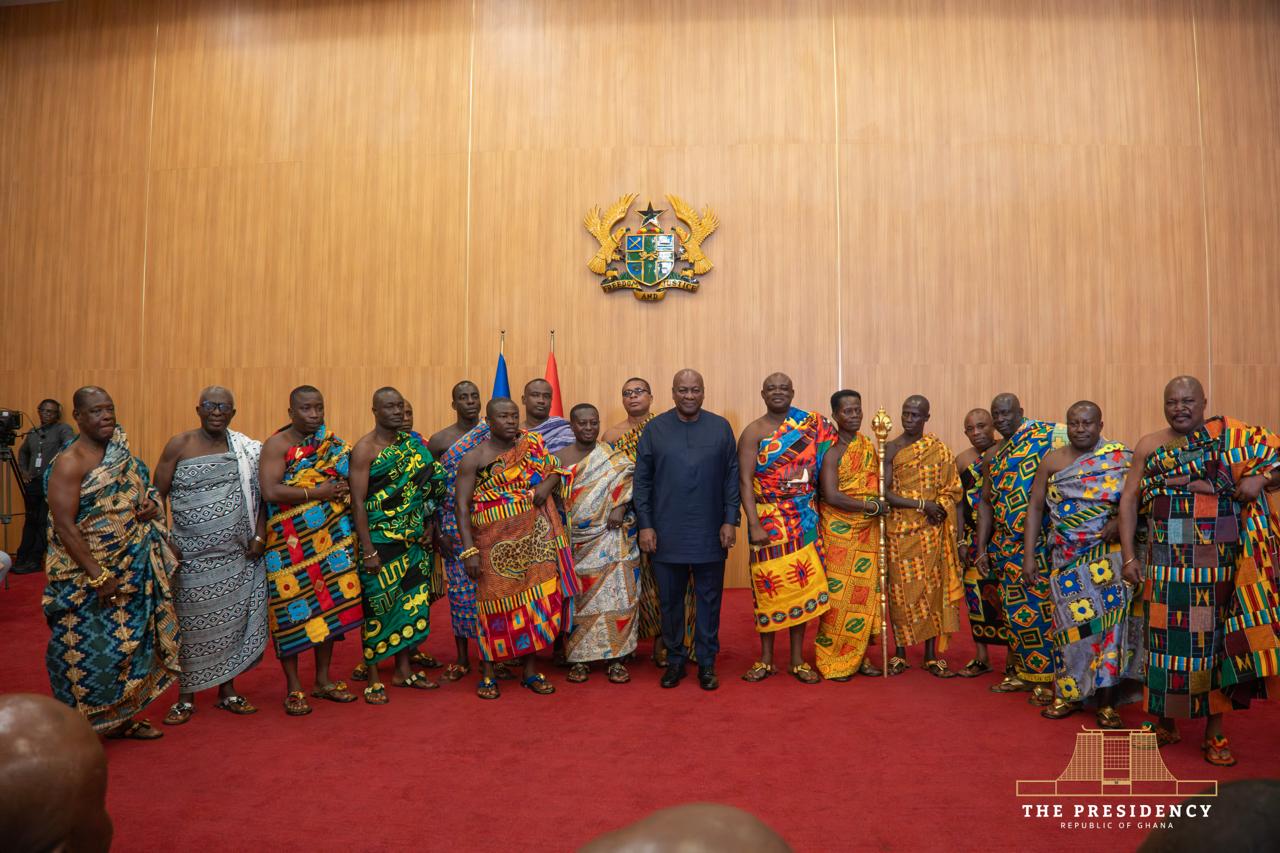
President John Dramani Mahama has called on traditional authorities to mobilise residents for community cleaning exercises and consider measures to encourage participation as part of efforts to improve sanitation.
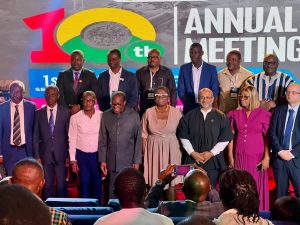
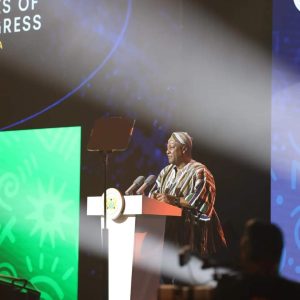
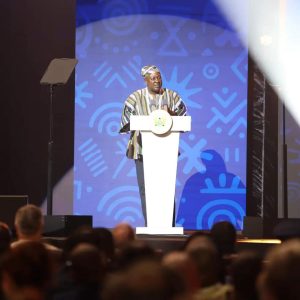
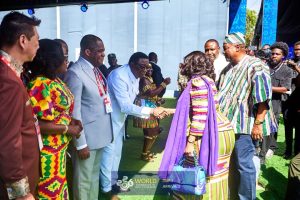
The President made the call during an engagement with chiefs of the Western North Region, drawing attention to the role of traditional leadership in promoting collective responsibility for keeping communities clean and maintaining public spaces.
“Chiefs could call for community cleaning,” President Mahama stated, pointing to the ability of traditional authorities to bring residents together to undertake cleaning activities.
He also raised the possibility of sanctions for people who fail to participate, placing responsibility on community leaders to consider ways of making such exercises effective.
The proposal draws on the role of communal effort in maintaining local environments. Organised cleaning exercises can help residents clear refuse from public spaces, remove accumulated waste and improve the condition of shared areas.
Traditional authorities can also work with district assemblies to ensure that community participation complements formal waste collection and disposal services.
President Mahama’s appeal comes alongside his wider call for chiefs to contribute to development and help protect the natural resources of their communities. His remarks on illegal mining, including the planned provision of an additional GH¢400 million in next year’s Budget for more Blue Water Guards, also place environmental protection among the issues requiring cooperation between government and traditional authorities.
While community cleaning can improve the condition of public spaces, lasting sanitation improvements also depend on reliable waste collection, appropriate disposal facilities and public education on responsible waste management.
Cooperation between chiefs, residents and local authorities can help identify recurring problems and encourage households and businesses to dispose of waste properly.
Any sanctions considered by traditional authorities would need to be consistent with applicable laws and local-government procedures. Community mobilisation and clear arrangements for participation can help make cleaning exercises more regular and effective.
The President’s call places traditional leaders in an important position to encourage residents to take greater responsibility for their surroundings.
Through organised community action and cooperation with district assemblies, local communities can work towards cleaner public spaces and better environmental conditions.
Richard Aniagyei, ISD