NDPC Director-General Calls for Effective Implementation of Urban Development Plans
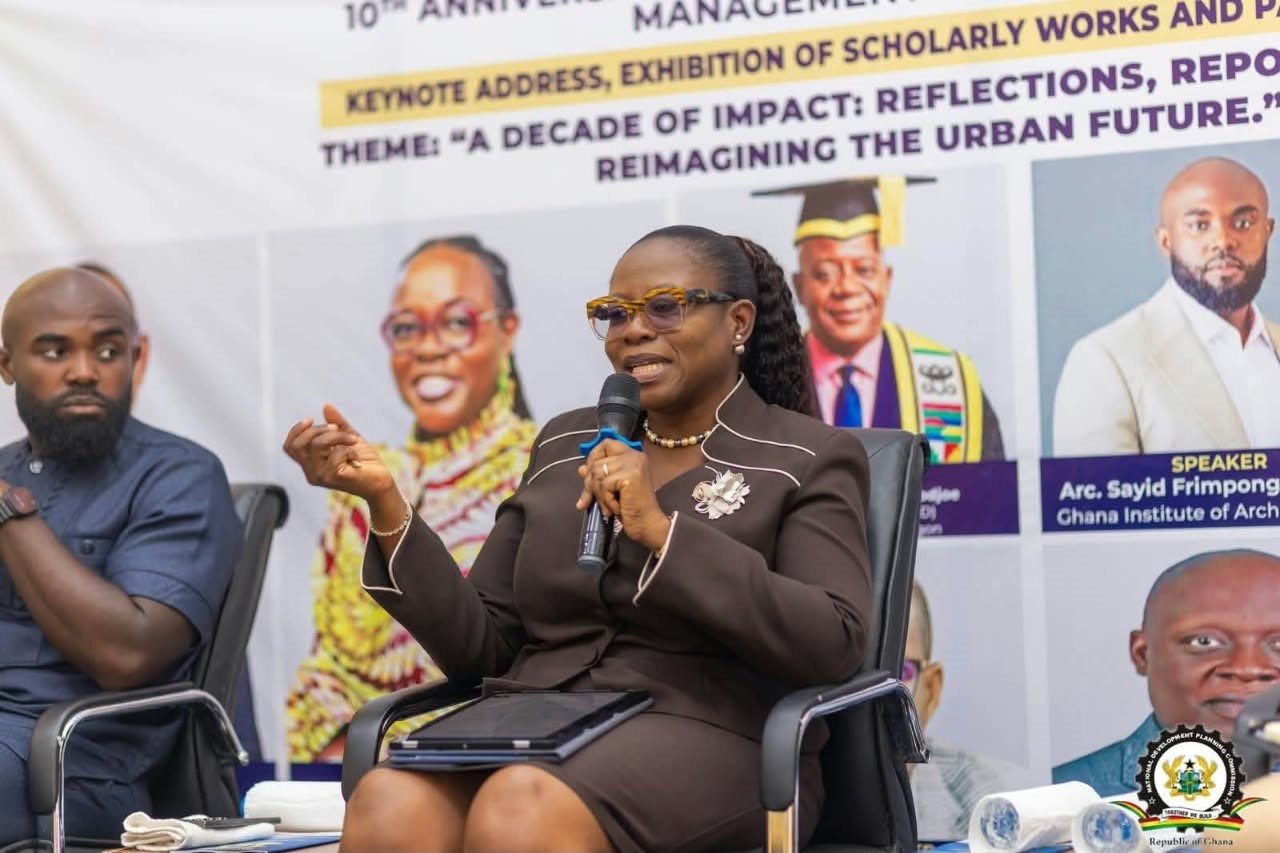
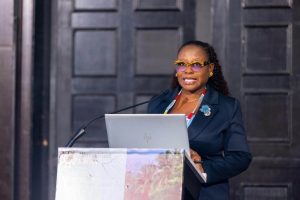
The Director-General of the National Development Planning Commission (NDPC), Dr Audrey Smock Amoah, has called for the effective implementation of Ghana’s urban development policies and plans to address challenges in rapidly growing cities and achieve meaningful improvements in urban living conditions.
Dr Amoah made the call during a panel discussion at the 10th Anniversary Celebration of the Centre for Urban Management Studies (CUMS) at the University of Ghana.
According to her, Ghana had no shortage of policies, legislation and planning frameworks on urban development, but the key gap was translating them into action. “It is not about the absence of policies or legislation or documents. We have everything. It has more to do with translating these documents into real actions so that you will be able to see the desired change,” she said
She noted that Ghana’s development frameworks, from Vision 2020 through the Ghana Poverty Reduction Strategy and subsequent development agendas, had consistently made provision for urban development and planning institutions and authorities must localise these policies and ensure effective coordination in their implementation to achieve the desired change.
Dr Smock Amoah stated that the focus should go beyond technology to address everyday urban challenges, including congestion, mobility, slums and waste management. “Good governance can be seen,” adding that cities should enable people to move freely, access services and return home on time, while reducing pressure on central business districts. She added.
The President of the Ghana Institute of Planning, Anaab Bukari, reflecting on what a well-planned city should look like, observed that Ghana had a long history of urban planning, but the effectiveness of these plans depends on how well they are communicated, localised and implemented.
He stated the importance of translating plans into practical instruments at the local level, engaging communities and landowners, and strengthening approval and enforcement systems.
Other panel members also highlighted the importance of inclusive urban planning, noting that cities must accommodate people across different income and occupational groups, including those who provide essential services.
Freda Marfo ISD