NDPC Director Calls for Action on Human Capital Policies.
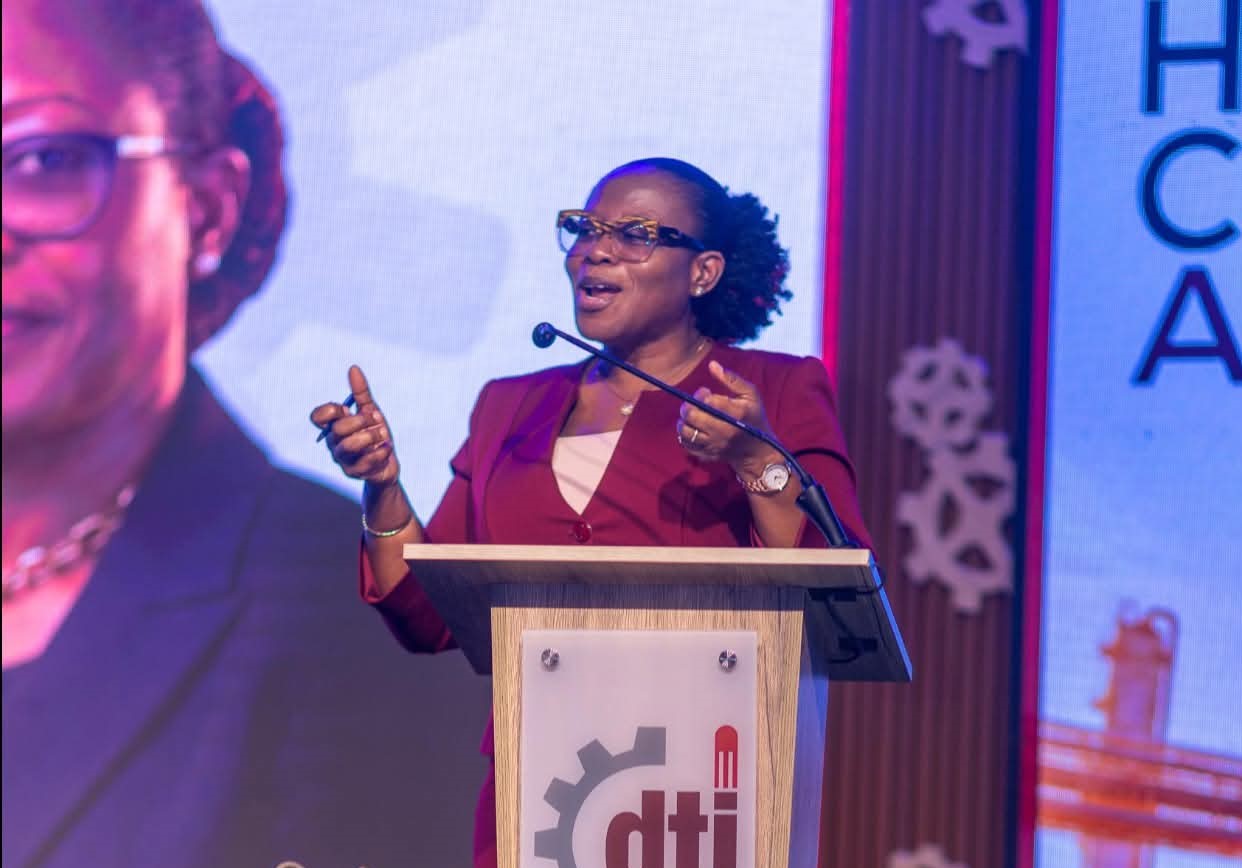
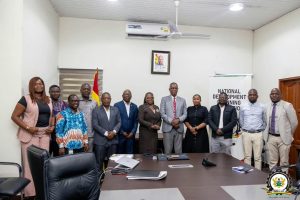
The Director-General of the National Development Planning Commission (NDPC), Dr Audrey Smock Amoah, has called for existing human capital policies and commitments to be translated into practical action to build a productive human capital ecosystem in Ghana.
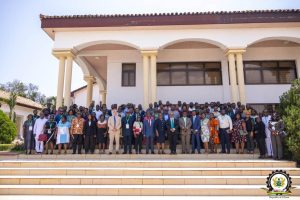
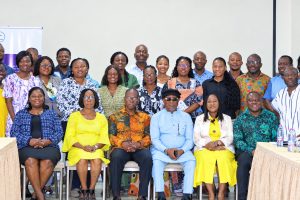
Dr. Amoah made the call at the 6th Annual Precision Policy Conference on Tuesday, under the theme “Human Capital at Work.”
According to her, Ghana already had policies, institutions and legislative frameworks to support human capital development.
She noted that the priority was to ensure their effective implementation, urging stakeholders to build on existing frameworks and focus on delivering tangible results rather than continually developing new policy documents.
“Please, let us work with what we have and translate these existing commitments into tangible change,” she said.
Dr. Amoah said that human capital development required coordinated action across health, early childhood development, education, skills training, employment and enterprise development.
She further explained that the different stages of human development needed to reinforce one another to ensure that people acquired relevant skills and applied them productively.
She reinforced the importance of moving from policy commitments to implementation, supported by adequate financing, monitoring, evaluation and learning.
“Let us move from policy to plans, from plans to budgets, and from commitments to implementation,” she noted.
Dr. Amoah expressed hope that the conference would generate practical recommendations to strengthen the proposed Human Capital Development Strategy and link the various policy areas into a coherent and productive ecosystem.
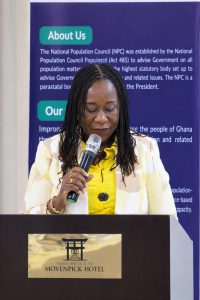
The Founder and President of the Design and Technology Institute (DTI), Constance Swaniker, stated that, Ghana’s ambition to become a high-income nation by 2057 would depend on the productivity and capabilities of its people.
She said the World Bank’s Human Capital Index, indicating that a child born in Ghana today was expected to attain about 45 per cent of the productivity potential associated with full health and quality education.
Madam Swaniker described human capital as a productive asset and urged stakeholders to look beyond educational qualifications to consider people’s ability to contribute meaningfully to the economy.
She said, “Human capital is built by all of us, or it is not built at all,” highlighting the shared responsibility of government, industry, academia, development partners and young people.
Freda Marfo, ISD