President Mahama Positions Ghana as West Africa’s Automotive Manufacturing Hub
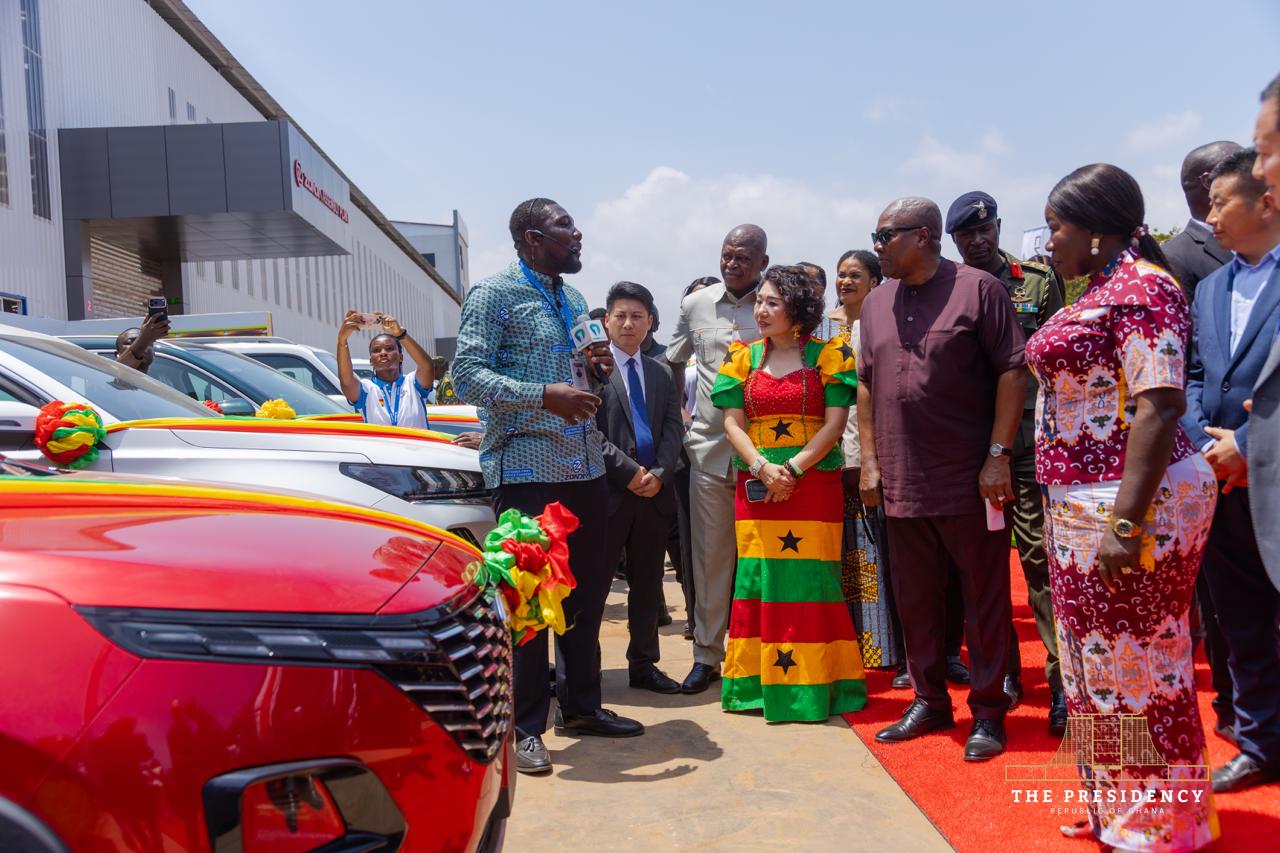
President John Dramani Mahama has reiterated Government’s ambition to make Ghana the automotive manufacturing hub of West Africa, stating that the country is strategically positioned to serve a continental market of more than 1.4 billion people under the African Continental Free Trade Area.
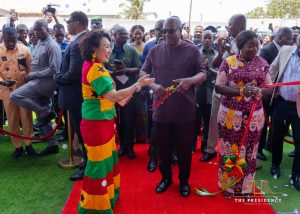
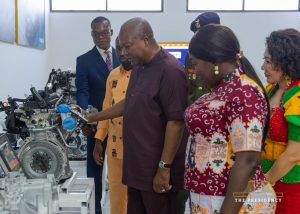
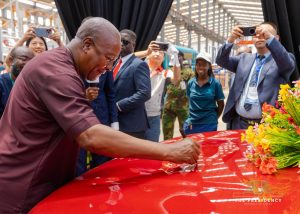
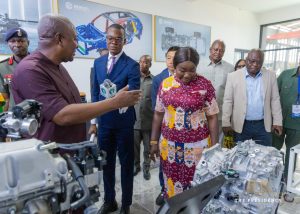
Addressing the commissioning of Phase Three of the Zonda Tec Ghana Limited Vehicle Assembly Plant, the President said Africa’s growing vehicle market presented an extraordinary opportunity for Ghana to lead regional industrial production.
“Our ambition to make Ghana the automotive manufacturing hub of West Africa is deliberate, strategic and achievable,” he stated.
President Mahama observed that while Africa’s vehicle sales grew by more than 20 per cent in 2025, the continent still manufactured barely one per cent of global vehicle output despite being home to almost one-fifth of the world’s population.
He said Ghana had chosen to build its industrial future through manufacturing rather than continued dependence on imported vehicles.
The President noted that the Ghana Automotive Development Policy had already attracted globally recognised brands including Volkswagen, Toyota, Nissan, Hyundai, Honda, Kia, Chery, Great Wall Motors, Peugeot and Forland, while also creating opportunities for indigenous manufacturers such as Kantanka.
He said the recent visit by Gabonese President Brice Oligui Nguema to the Zonda Tec factory demonstrated growing continental recognition of Ghana’s manufacturing potential.
According to President Mahama, the President of Gabon toured the assembly lines and described the facility as evidence of Africa’s capacity to build a competitive industrial base.
He stressed that Government would continue to provide a stable investment climate, improve infrastructure, strengthen industrial incentives and invest in technical education to support manufacturers using Ghana as an export base for ECOWAS and the wider African market.
President Mahama said manufacturing remained central to Government’s broader industrialisation agenda and would become a key driver of economic transformation, export growth and employment creation
Richard Aniagyei, ISD