Over 28,000 Women and Youth to Benefit from New Development Initiative — SIF Chief Executive
The Chief Executive Officer of the Social Investment Fund (SIF), Lawyer Abass Nurideen, has revealed that over 28,000 women and young people across seven regions are set to acquire market-driven skills under the Ghana Women and Youth Employment and Social Cohesion Programme (GWYESCO).
The four-year programme (2026–2029), which aims to generate at least 22,000 direct and 6,000 indirect jobs, targets beneficiaries aged 18 to 35, as well as women aged 36 and above.
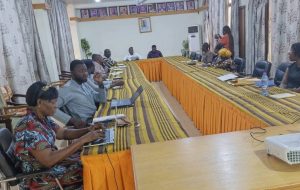
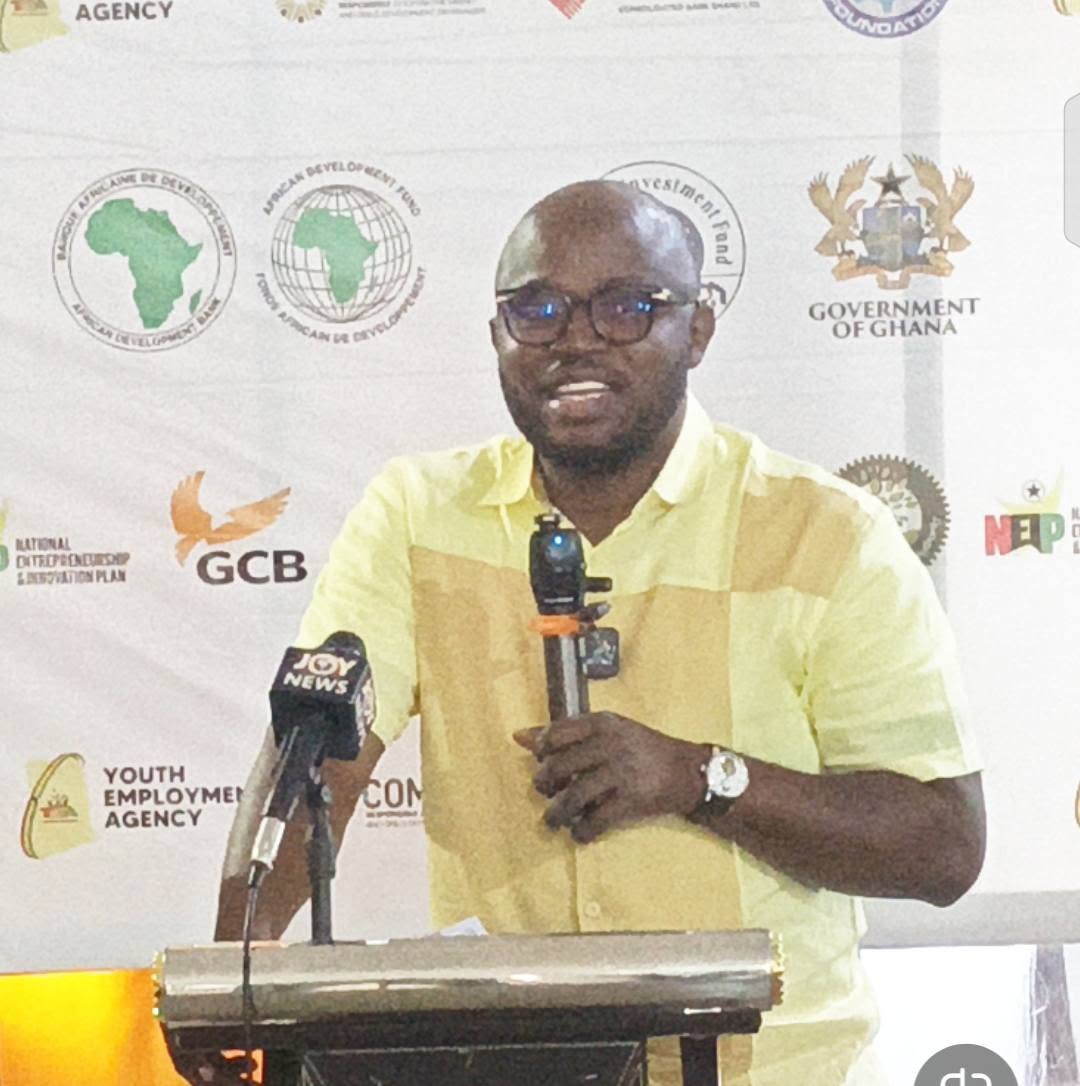
Speaking at a Regional Stakeholders’ Engagement at the Modern City Hotel in Tamale on Monday, Lawyer Nurideen outlined the initiative’s three-pillar strategy.
The first pillar focuses on market-driven training through the construction and equipping of eight TVET centres, offering instruction in electrical works, coding, digital tech, creative arts, and rural entrepreneurship.
Under the second pillar, a US$15 million financing facility will provide financial and non-financial support to 10,000 MSMEs, alongside establishing 100 business-to-business linkages.
The third pillar strengthens institutional and community systems to tackle social exclusion, conflict, and climate vulnerability across implementation zones.
Welcoming delegates on behalf of the Northern Regional Coordinating Council (NRCC), the Northern Regional Minister, Mr Ali Adolf John, called for strict accountability and transparency to ensure the programme delivers measurable outcomes rather than routine administrative exercises.
“The success of this programme should not be measured by the number of stakeholder meetings held, but by the number of lives transformed through skills development, job creation, and economic inclusion,” said Mr Ali Adolf John,
Executed by the Ministry of Finance and supported by the African Development Bank (AfDB), GWYESCO is coordinated by SIF alongside the Youth Employment Agency (YEA), NEIP, NDA, GRATIS Foundation, and COMSDEP.
Operations span the Northern, North-East, Savannah, Upper East, Upper West, Central, and Eastern regions.
Bala Ali, ISD