Sagnarigu MCE Calls for Agro-Industrial Investment to Create Jobs in Northern Region
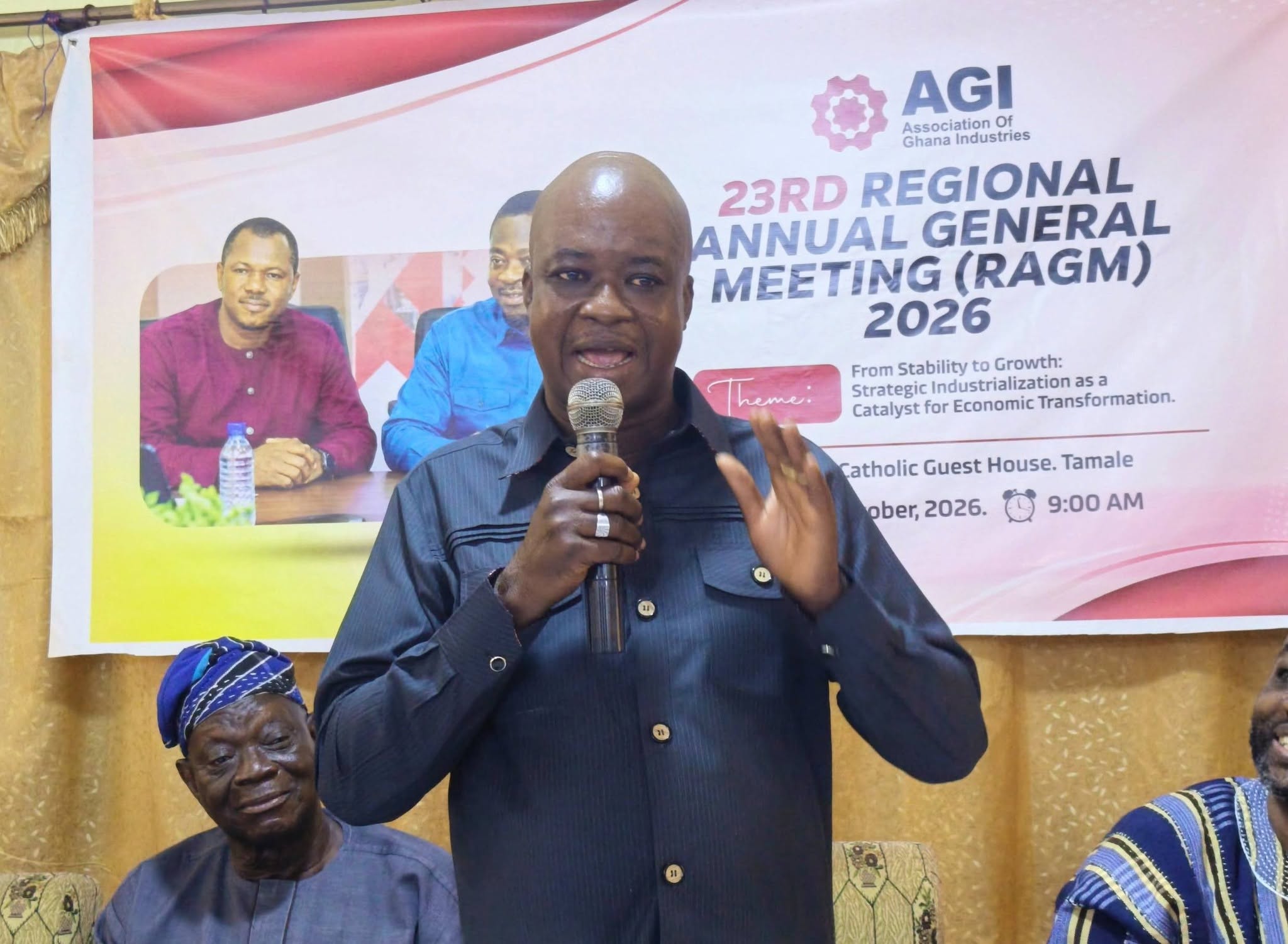
The Municipal Chief Executive (MCE) for Sagnarigu, Mr Abdulai Imoro Gong, has called for increased investment in agro-processing, local manufacturing and industrial infrastructure to accelerate economic growth and create sustainable jobs in the Northern Region.
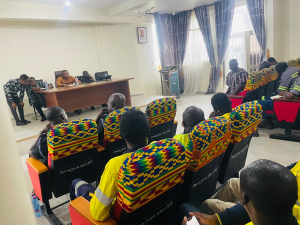
He made the call on Wednesday, when addressing the 23rd Annual General Meeting (AGM) of the Association of Ghana Industries (AGI), Northern Chapter, in Tamale on the theme: “From Stabilisation to Growth: Strategic Industrialisation as a Catalyst for Economic Transformation.”
Mr Gong said Ghana needed to move from economic stabilisation towards expanding industrial production, creating jobs and improving living standards. He noted that although businesses had faced challenges such as high production costs, inflation and currency depreciation, the improving economic environment presented an opportunity to strengthen local industries and attract investment.
He stressed that sustainable economic transformation required more than exporting raw materials, calling for increased local processing and manufacturing to retain value, raise incomes and generate employment.
The MCE identified agro-based industrialisation as a major opportunity for the Northern Region, citing its production of rice, maize, soya beans, groundnuts, tomatoes, shea nuts and livestock.
He said investment in processing facilities, agricultural infrastructure, affordable financing and market access would help reduce post-harvest losses, improve farmers’ incomes and provide industries with reliable raw materials.
He highlighted the Feed Ghana Programme and the Feed the Industry initiative as opportunities to strengthen links between farmers and factories, explaining that a reliable supply of agricultural produce would support factory operations and create jobs across the agricultural value chain.
On infrastructure and energy, Mr Gong cited the government’s Big Push programme as an important intervention to improve roads and facilitate the movement of agricultural produce and manufactured goods.
He also identified solar and biomass energy, as well as the proposed Pwalugu Multipurpose Dam, as potential contributors to industrial development, irrigation and electricity generation.
He further pointed to the proposed 24-Hour Economy initiative as an opportunity to expand business operations and productivity. The development of Tamale International Airport into an air cargo and logistics hub, alongside the Northshore Apparel enclave in Savelugu, could also support access to markets and expand manufacturing, he said.
Mr Gong called for simpler digital business registration processes and improved access to affordable credit for manufacturers, agro-processors and small and medium-sized enterprises (SMEs). He also stressed the need for technical and vocational education and training to equip young people with industry-relevant skills, while identifying the African Continental Free Trade Area (AfCFTA) as an opportunity for local businesses to reach wider African markets.
However, he acknowledged that businesses continued to face challenges, including limited access to affordable credit, inadequate roads linking farming communities to factories, electricity supply concerns and insufficient start-up capital for young entrepreneurs.
Banks and financial institutions were encouraged to provide affordable financing to viable businesses, while development partners were urged to support industrial growth through funding, infrastructure development and skills training.
Mr Gong reaffirmed the commitment of the Northern Regional Minister and the Northern Regional Coordinating Council (NRCC) to collaborating with AGI, Metropolitan, Municipal and District Assemblies (MMDAs) and other stakeholders to address barriers to business development and create an enabling environment for investment.
He said stronger cooperation among government, industry, traditional authorities, financial institutions and development partners was essential to unlocking the region’s economic potential and ensuring that industrial growth improved livelihoods
The Vice-Chairman of AGI, Mr Dela Gadzanku, commended the government for reducing interest rates, saying lower borrowing costs could ease financial pressure on businesses and support investment and expansion.
He said AGI would continue to engage banks and other financial institutions to improve members’ access to loans and financial support. The Association would also facilitate training to strengthen members’ technical, business management and entrepreneurial skills to improve productivity and competitiveness.
Faustina Naa Ayele Johnson, ISD