Parliamentary Select Committee on Education Examines Challenges in Northern Region
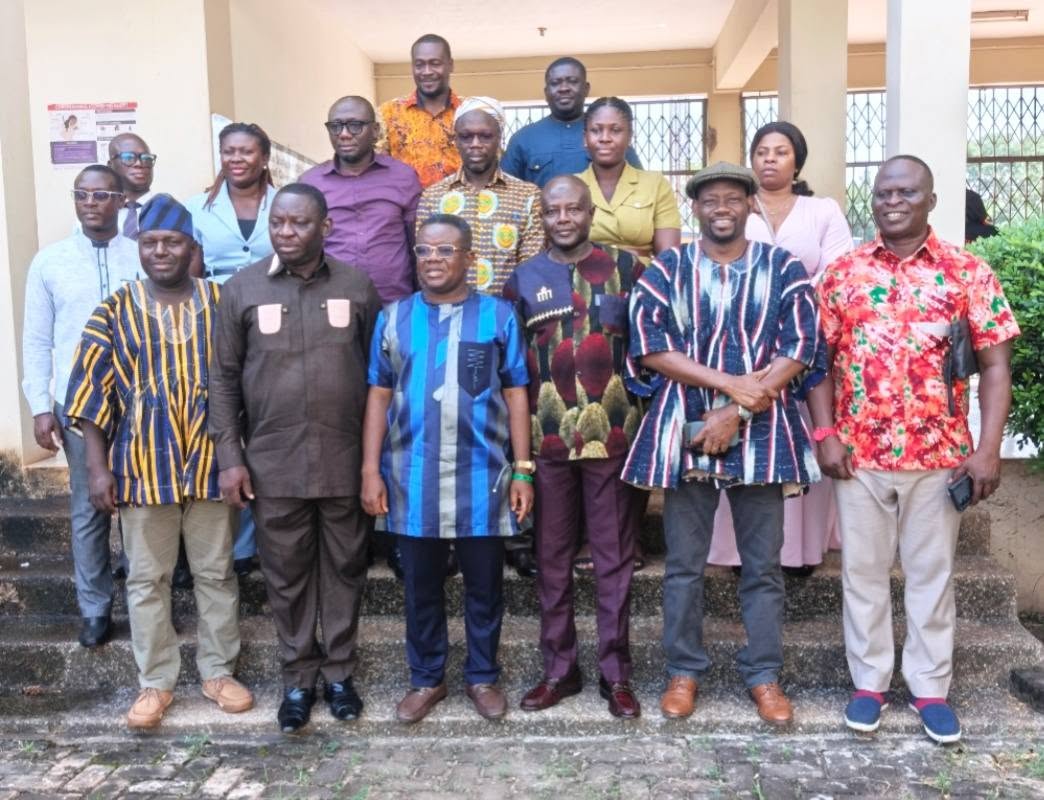
The Parliamentary Select Committee on Education has engaged the Northern Regional Coordinating Council (NRCC) and education authorities on key challenges affecting schools in the Northern Region, including infrastructure deficits, inadequate teaching and learning materials, administrative gaps and student discipline.
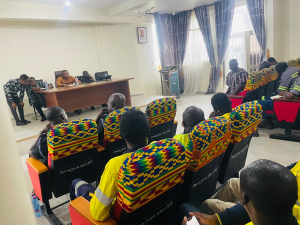
The engagement, held at the NRCC Conference Hall on Tuesday, formed part of the Committee’s monitoring visit to assess the state of education and identify areas requiring attention to improve the quality of teaching and learning.
Welcoming the Committee on behalf of the Northern Regional Minister, the Acting Chief Director of the NRCC, Mr Sumaila Ewuntomah Abudu, described the visit as timely and important, noting that it would provide Parliament with first-hand information on the challenges confronting educational institutions in the region.
He stressed the need for sustained collaboration among Parliament, the NRCC and education authorities to ensure that policies and recommendations addressed the actual needs of schools and learners.
The Committee was led by its Vice-Chairman and Member of Parliament for Kintampo North, Mr Kumah Kwame Joseph, who explained that the visit formed part of Parliament’s oversight responsibilities under Standing Order 250.
He said the exercise was intended to assess the performance of institutions within the education sector, identify achievements and challenges, and engage stakeholders on practical measures to improve education delivery.
Mr Kumah identified inadequate school furniture, shortages of textbooks and other teaching and learning materials, and infrastructure deficits as some of the concerns requiring attention. He called for budgetary allocations to reflect the actual needs of schools so that available resources could address the most pressing challenges.
He added that the Committee would document its findings and present them to the Speaker of Parliament for consideration and the necessary action.
The Northern Regional Director of Education, Mr Alidu Alhassan Junior, briefed the Committee on the state of education in the region, outlining government interventions, progress made and challenges affecting the effective administration of schools.
He commended government efforts to improve education through the provision of essential resources, including desktop computers, and measures to support adequate feeding in schools. He said such interventions contributed to improving access to educational resources and promoting student welfare.
However, he drew attention to the absence of Ghana Education Service (GES) offices in some districts, describing it as a major administrative challenge. He explained that the gaps affected the coordination and supervision of schools and limited the provision of administrative support at the district level.
Mr Alhassan Junior said establishing the necessary district-level offices would strengthen supervision, improve coordination and support the timely implementation of education policies and programmes.
On student welfare and discipline, he expressed concern about drug abuse and other deviant behaviours among some students. He called for stronger collaboration among school authorities, parents and other stakeholders to intensify guidance and counselling, and strengthen discipline.
The engagement highlighted the need for improved infrastructure, adequate teaching and learning materials, effective educational administration and stronger measures to promote student discipline.
It also provided an opportunity for education authorities to present the region’s concerns directly to Parliament to inform deliberations and possible interventions.
The NRCC reaffirmed its commitment to working with Parliament, the GES and other stakeholders to address challenges facing schools and improve the delivery of quality education across the Northern Region.
Faustina Naa Ayele Johnson, ISD