TOR outlines plans to raise refining capacity to 200,000 barrels per day
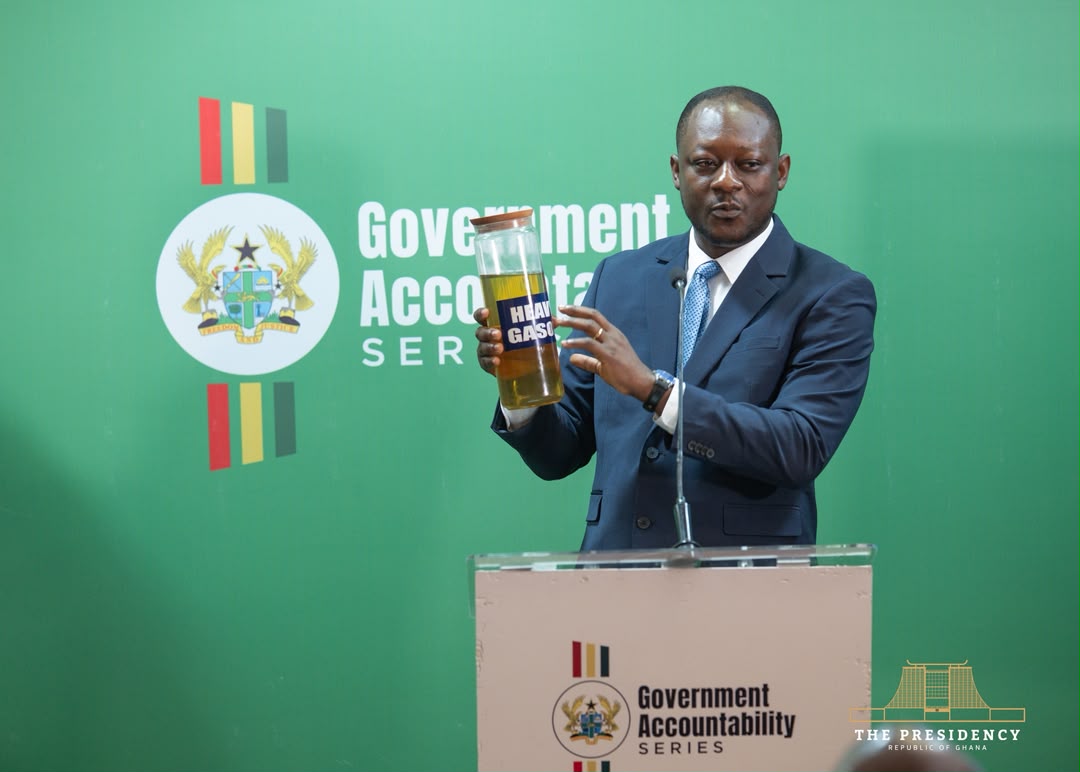
The Tema Oil Refinery (TOR) has outlined plans to increase its crude-processing capacity to 100,000 barrels per day in the medium term, with a longer-term target of 200,000 barrels per day, as Ghana seeks to meet more of its petroleum needs through local refining.
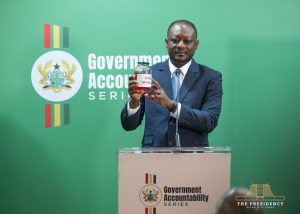
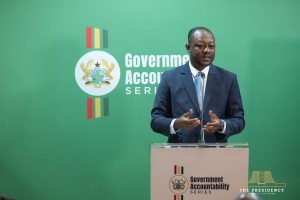
The Managing Director of TOR, Edmond Kombat announced the plans when he took during the Government Accountability Series on Monday, where he presented the refinery’s recovery programme and outlined its proposed expansion projects.
“On August 1, 2026, H.E. The President directed the Hon. Minister for Energy and Green Transition to work with the TOR Board and management on a strategic roadmap to raise processing capacity to 100,000 barrels a day with a further plan to increase it to 200,000 barrels per day end-state,” he said.
In the immediate term, engineers from Verga Engineering are working with TOR’s technical team on the F-61 tie-in project, which is expected to increase throughput from the current level of about 28,000 barrels per day to between 45,000 and 55,000 barrels per day.
The refinery also plans to install a new air cooler to raise capacity to 60,000 barrels per day and replace its existing 6,500-barrel-per-day catalytic reformer with a 10,000-barrel-per-day continuous catalytic reformer.
A new 120-tonne boiler has been installed, while work continues on the RFCC turnaround and the Supervisory Control and Data Acquisition system.
Beyond these immediate engineering works, TOR’s Restoration and Legacy Projects programme for 2026 to 2029 proposes expanding the existing refinery from 45,000 to 85,000 barrels per stream day and constructing a new greenfield refinery with a capacity of 115,000 barrels per stream day.
The two proposed developments would provide a combined capacity of 200,000 barrels per stream day. Management is also advancing plans for petrochemical facilities and additional storage capacity that meets environmental standards.
The expansion programme is linked to the government’s target of meeting 70 per cent of national fuel demand through local refining by 2028.
At its nameplate capacity of 45,000 barrels per day, TOR’s throughput is equivalent to roughly 35 per cent of the 128,000 barrels per day of clean petroleum products Ghana imported in 2025.
Mr Kombat said local refining would also retain more value within the country by connecting domestic crude production with refining and downstream distribution.
“Refining Ghanaian crude in Ghana keeps value onshore,” he said.
The proposed development programme also includes a specialist hospital with a burns and trauma centre and staff housing on existing refinery land.
Meanwhile, the Ministry of Finance is working with TOR to consider options for addressing about US$120 million in legacy debt owed to the government, including a possible write-off or conversion into equity.
The refinery said the proposed expansion projects would be pursued with strategic partners. Their delivery will depend on the implementation of the required engineering works, investment and financing arrangements.
Richard Aniagyei, ISD