NACOC to Deploy New Drug Detection Scanners at Accra International Airport
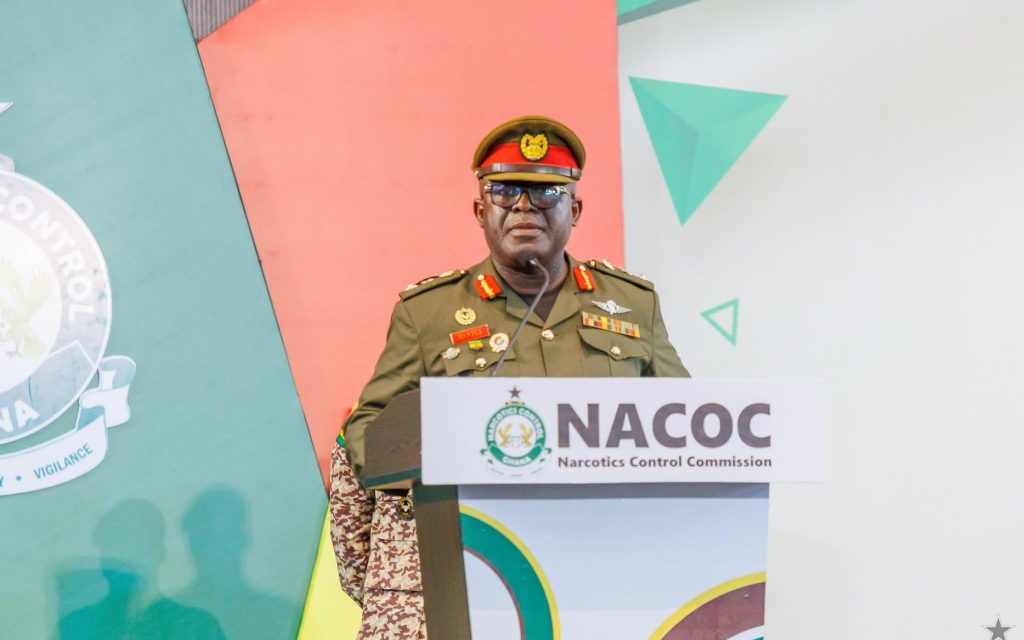
The Narcotics Control Commission (NACOC) has announced that a new drug detection system, including mobile drug detection scanners jointly provided by the Governments of Ghana and the Kingdom of the Netherlands, will be deployed at the Accra International Airport from August 2026 to strengthen efforts to combat illicit drug trafficking.
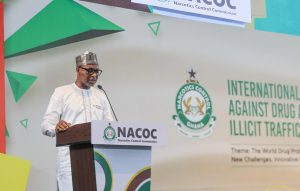
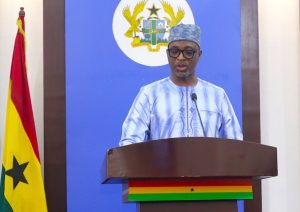
The Director-General of NACOC, Brigadier General Maxwell Obuba Mantey, announced at a durbar held in Accra on Friday to commemorate the 2026 World Drug Day.
He expressed concern over Ghana’s growing role in the global narcotics trade, noting that the country is increasingly becoming not only a transit point but also a distribution hub for illicit drugs.
“The Government of Ghana and the Netherlands have provided mobile drug detection scanners to NACOC. It is also undertaking the full replacement of the body and baggage intrusive scanners at the Accra International Airport, which have been non-operational for a while,” he said.
He disclosed that the replacement of the airport scanners is expected to be completed by August 2026, significantly enhancing the country’s capacity to detect and intercept illicit drugs at its main international gateway.
As part of broader efforts to strengthen the Commission’s operational capacity, the Director-General announced a significant expansion of NACOC’s district operational commands.
According to him, the number of district operational commands has increased from fewer than 10 to 77 nationwide, ensuring coverage across all 16 regions of the country.
He revealed that the Commission has received approximately 27 operational vehicles to support field operations and improve surveillance and enforcement activities across the country.
Brigadier General Mantey also announced that Government has secured a 100-acre parcel of land at the Akwamu Traditional Area for the establishment of a dedicated NACOC Training School.
The proposed training facility is expected to enhance the professional development of narcotics officers and strengthen the Commission’s capacity to respond effectively to emerging drug trafficking trends and other transnational organised crimes.
Judith Twumwaa, ISD