Government committed to strengthening Ghana’s health workforce through transparent admission process

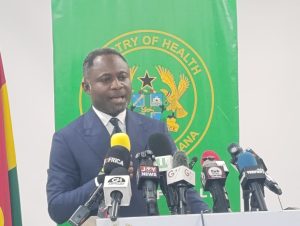
The Deputy Minister for Health, Dr. Grace Ayensu-Danquah, has reaffirmed the Government’s commitment to strengthening Ghana’s health workforce through a transparent, fair and merit-based admissions process for Health Training Institutions.
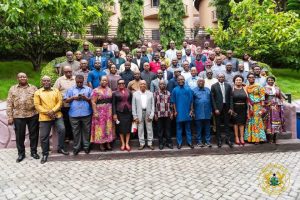
Speaking at the 2026 Annual Health Training Institutions Conference in Kumasi, she said the quality of healthcare delivery begins with the quality of students admitted into the country’s training institutions, stressing that decisions taken during the conference would shape the next generation of health professionals and advance Ghana’s quest for Universal Health Coverage.
She outlined a number of reforms introduced by the Ministry of Health to improve health professional education.
They include the prompt payment of trainee allowances, fully funded PhD scholarships for 30 health tutors, the creation of the Chief Health Tutor position, the introduction of specialist nursing programmes, a reduction in the cost of nursing admission forms, improvements in the admissions process.
Also, the introduction of Bachelor of Science programmes in 14 nursing training colleges and stronger human resource management systems across Health Training Institutions.
Dr. Grace Ayensu-Danquah urged participants to apply the agreed admission guidelines uniformly across all institutions to ensure fairness and accountability.
According to her, consistent implementation of the guidelines will strengthen public confidence in the country’s health training system.
The Deputy Minister also commended regulatory bodies, mentoring universities and development partners for supporting efforts to maintain high standards in health professional education.
The Director of Human Resource for Health Development at the Ministry of Health, Fred Mensah Achampong, said the annual conference provides an opportunity for stakeholders to review progress, share experiences and improve the training of future health professionals.
He said the Ministry would continue to implement human resource policies that align health education with the country’s healthcare needs.
He announced the introduction of new post basic specialist nursing programmes in Critical Care, Emergency, Cardiology, Endocrinology, Nephrology and Oncology Nursing at selected Health Training Institutions.
He said more than 500 students had already been admitted into the pioneer institutions and that the Ministry aims to admit at least 1,000 students each year over the next three years to expand specialist healthcare services and prepare more professionals for both the local and international health sectors.
The conference was held on the theme, “Bridging Pathways and Harmonising Entry Standards for Quality Advanced Health Training.”
Priscilla Osei-Wusu Nimako, ISD