Blue Economy Commission Bill undergoes final stakeholder validation
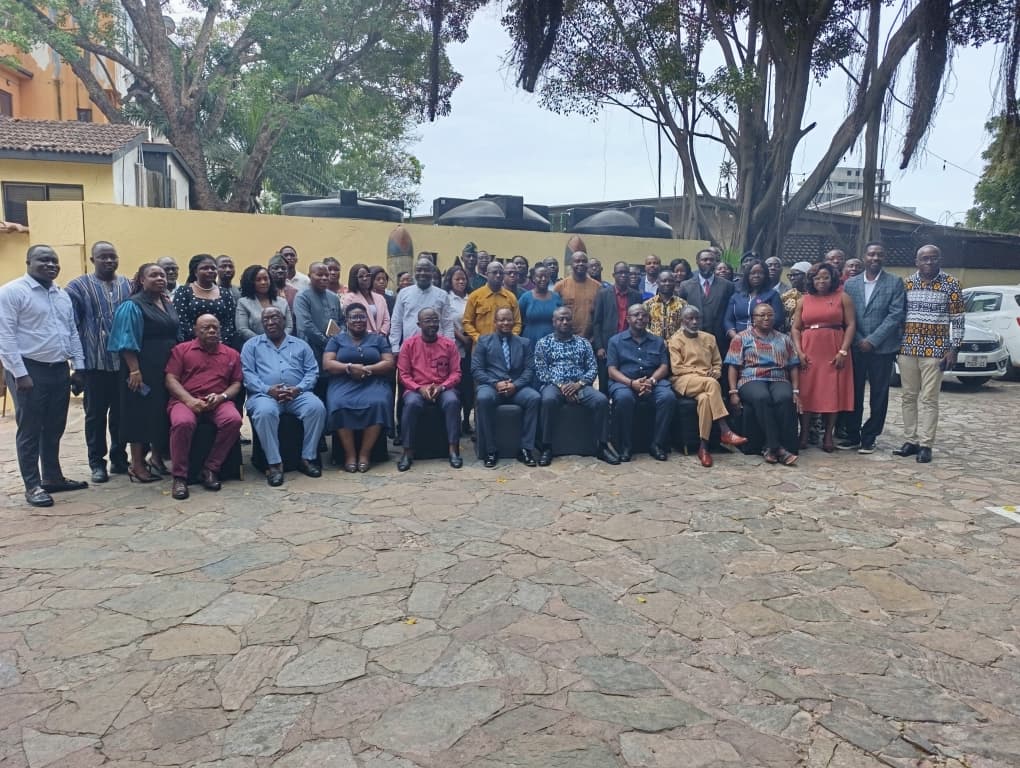
The draft Blue Economy Commission Bill has undergone final stakeholder validation as the government moves towards completing the legislative framework for the establishment of the proposed Commission.
The validation meeting provided stakeholders from academia, civil society, the private sector, development partners and public institutions an opportunity to review the revised draft and make further recommendations before it is submitted to Cabinet.
Speaking at the meeting in Accra on Tuesday, Coordinator of the Blue Economy Secretariat, Mr Fred Antwi Boadu, said the draft Bill had already undergone several reviews and consultations, including engagements across the southern, middle and northern belts of the country.
He said more than 60 comments received from stakeholders during the consultations had been reviewed and incorporated into the revised draft.
Mr Boadu noted that the Technical Committee had also reviewed the concerns raised by individuals, public institutions and academia and made the necessary amendments to the document.
He stated that some provisions relating to regulations had been removed because existing government agencies already had responsibility for those functions.
Mr Boadu said the latest validation was focused on five main issues concerning the proposed governance structure of the Commission.
These included the composition and relevance of the proposed Blue Economy Council, the composition of the Board, the need for two deputy positions under the Commission, the institutional location of the Commission and the proposed five-year tenure for the Board and head of the Commission.
On the institutional location, he said the draft currently placed the Commission under the Fisheries Ministry, although some stakeholders had proposed that it should instead be located under the Office of the President.
He said other stakeholders had also suggested changing the name of the Ministry to reflect its broader responsibility for marine and blue economy affairs.
Mr Boadu said the Secretariat would collate the additional views from the validation meeting and incorporate them into its final recommendation to Cabinet.
He revealed that the Attorney General would subsequently review and advise on the Bill before it was presented to Parliament for consideration.
“The work does not end here. Cabinet will review these key issues and make recommendations. The Attorney General will also review and advise Parliament. Parliament will read line by line and take decisions,” he added.
Mr Boadu said stakeholders would have an additional two weeks to submit further comments before the Secretariat finalised its recommendations.
According to him, the proposed Commission was intended to coordinate activities within the blue economy space rather than implement them, with the broader objective of reducing fragmentation and ending institutional silos.
On financing, Mr Boadu said government was expected to provide funding for the Commission, while support could also come from the private sector and international partners.
He expressed satisfaction with the progress made in developing the draft Bill and commended the consultant and stakeholders for their contributions to the process.
The Blue Economy Commission is expected to provide a coordinated institutional framework for Ghana’s blue economy activities, subject to the completion of the legislative process.
Irene Wirekoaa Osei, ISD