Cabinet revokes E.I. 144, restores Achimota Forest’s reserve status
Cabinet has revoked Executive Instrument E.I. 144, as amended by E.I. 234, ensuring that the Achimota Forest retains its original status as a Forest Reserve and continues to serve as an ecological safety zone for Accra and its environs.
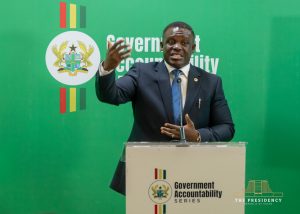
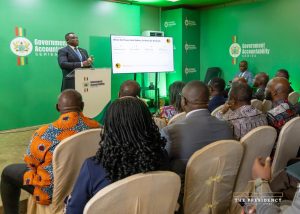
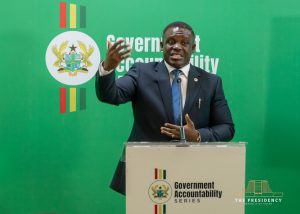
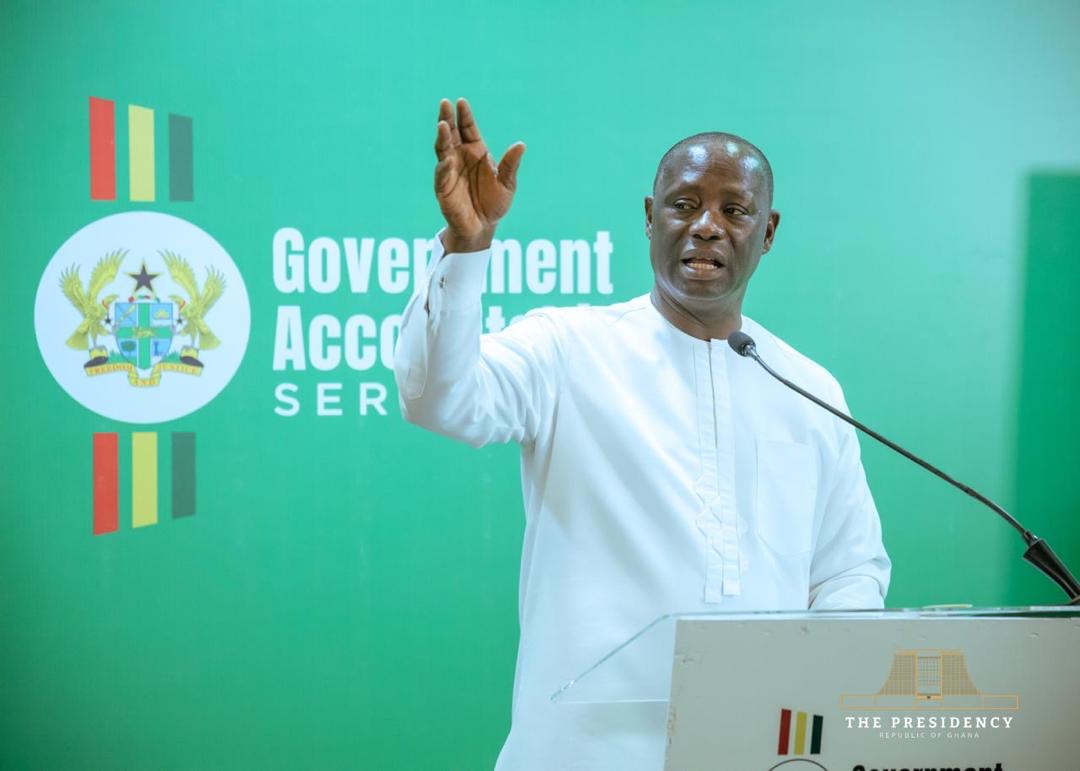
The decision, taken on June 24, 2026, was announced by the Minister for Lands and Natural Resources, Emmanuel Armah-Kofi Buah, during the Government Accountability Series.
“I am happy to announce a historic cabinet decision taken on the 24th of June 2026, to revoke Executive Instrument E.I 144 as amended by E.I 234,” he disclosed.
The Minister said the decision formed part of a broader set of strategic actions being implemented by his Ministry to address deforestation and forest degradation, which continued to have dire consequences on the country’s existence despite the immense contribution of the forestry sub-sector to the national economy.
This came against the backdrop of intensified enforcement operations against illegal mining in forest reserves, conducted in collaboration with the Forestry Commission and other stakeholders.
According to the minister, the operations resulted in 258 suspects arrested, six excavators demobilised, 1,225 pumping machines seized, 765 Changfan machines demobilised, 35 tricycles destroyed, 212 motorbikes seized or demobilised, 430 structures destroyed, and 40 gold detectors seized.
“We have not had any Red zones since December 2025,” he remarked.
The Minister said the Ministry, in collaboration with the Forestry Commission, was also developing a Legislative Instrument to give effect to the Wildlife Resources Management Act, 2023 (Act 1115), which would provide legal backing for Community Resources Management Areas, described as a model for engaging communities and landowners in sustainable forest management.
He said the Ministry, working with the private sector, had also embarked on an aggressive strategy to reclaim degraded mined-out areas, with 1,535 acres of degraded land reclaimed and restored in the Ashanti Region, and a further 1,500 acres targeted by the end of the year through private sector commitments, while Government was independently working to reclaim 960 acres in selected degraded areas nationwide.
Richard Aniagyei, ISD