Ghana calls for Reform of Global Financial System at Commonwealth Meeting
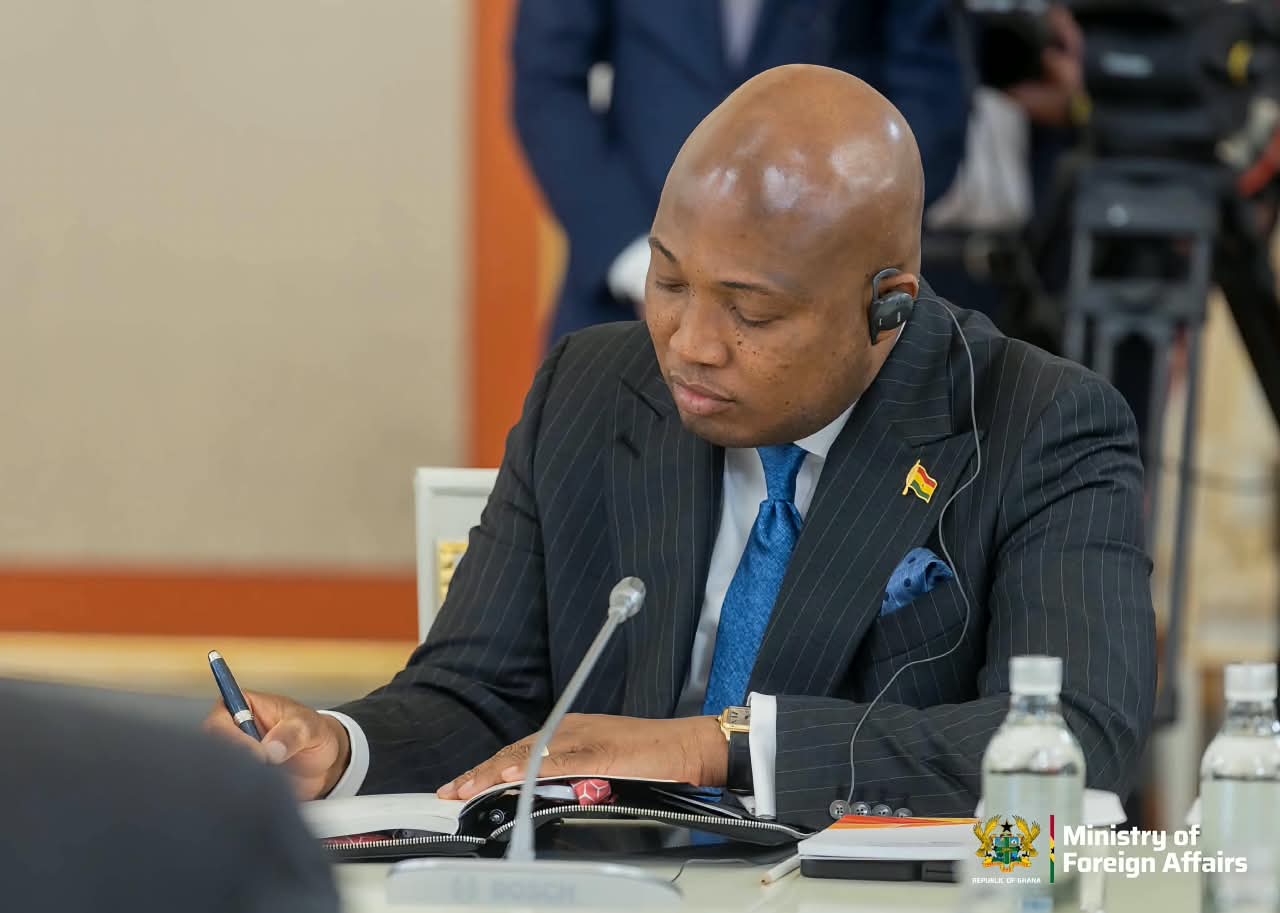
Ghana has called on Commonwealth countries to support reforms to the global financial architecture to address what it describes as unfair borrowing conditions confronting developing countries, particularly those in Africa.
The Minister for Foreign Affairs, Samuel Okudzeto Ablakwa, said countries in the global South were borrowing at more than eight times the average cost faced by their counterparts in the global North, worsening the debt burden and limiting their capacity to finance development.
According to him, the existing financial system placed African countries at a disadvantage through high interest rates, unfavourable sovereign credit ratings and excessive risk premiums that made it difficult for them to attract affordable capital for infrastructure development, industrialisation and job creation.
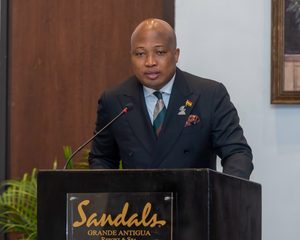
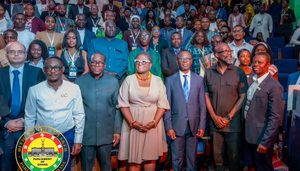
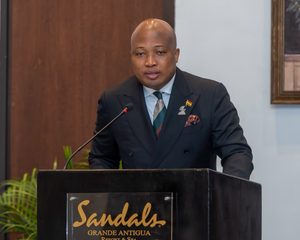
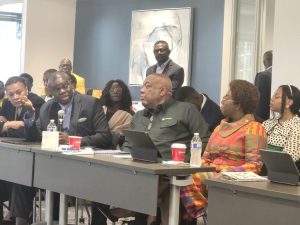
Mr. Ablakwa made the call at the Commonwealth Foreign Ministers’ Roundtable Meeting in St John’s, Antigua and Barbuda, on Wednesday.
He noted that the Commonwealth needed to pay closer attention to the inequalities in the global financial system, arguing that African countries could not achieve their development ambitions while struggling under unsustainable debt obligations.
“For those of us in the global South, we face injustice when it comes to access to capital for development. We are currently borrowing at more than eight times the average access to credit compared to our friends in the global North,” he said.
The Minister recalled the Highly Indebted Poor Countries (HIPC) Initiative introduced in 2000, noting that despite the debt relief programme, many African countries had returned to similar debt difficulties barely two decades later.
“After two decades, we are back to the same crisis and it’s because the system is rigged,” he said.
He identified sovereign credit rating agencies and the risk premiums assigned to African countries as some of the factors driving high borrowing costs, arguing that the tendency to treat African economies similarly discouraged investment and increased the cost of accessing international capital.
Mr. Ablakwa said the situation made it difficult for African governments to mobilise the resources needed to build infrastructure, schools and hospitals, industrialise their economies and create employment opportunities for the continent’s growing youth population.
He noted that Africa had the youngest population in the world, with a median age of 19, and said governments needed access to affordable financing to create opportunities for young people.
The Minister called for greater Commonwealth support for the Bridgetown Initiative, championed by Barbados Prime Minister Mia Mottley, which seeks reforms to the international financial system to improve financing conditions for developing countries.
He stated that addressing the inequalities in global finance was necessary to enable African countries to pursue homegrown development solutions without being constrained by excessive debt.
Mr. Ablakwa’s intervention formed part of broader proposals for strengthening Commonwealth cooperation and making the organisation more responsive to the development challenges facing.
Margaret Adjeley Sowah, ISD