Ghana Calls for Stronger Action on Africa’s Children at UNGA
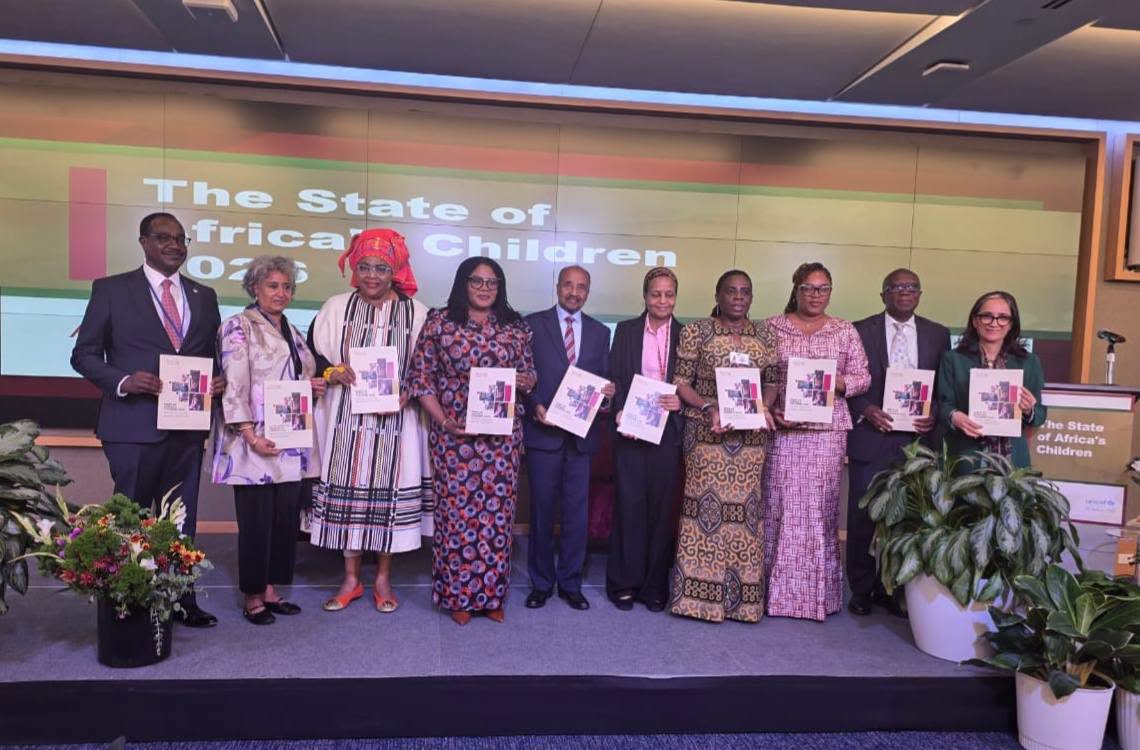
Ghana has called for stronger investment, reliable data and greater accountability to ensure that commitments to Africa’s children translate into measurable improvements in their lives.
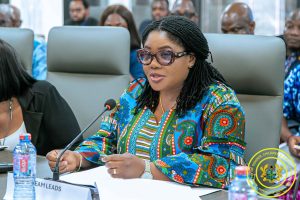
The Minister for Gender, Children and Social Protection, Dr Agnes Naa Momo Lartey, made the call while delivering a keynote address on behalf of President John Dramani Mahama at the launch of the State of Africa’s Children Report 2026 in New York.
The high-level event, held on Wednesday at UNICEF House on the margins of the 81st United Nations General Assembly (UNGA), focused attention on the rights, wellbeing and development of children across the continent.
The inaugural report provides evidence on the situation of children in Africa, with particular attention to water, sanitation and hygiene (WASH) and their impact on children’s health, education, protection and overall development.
Dr Lartey said the report offered African countries an important opportunity to assess whether their policies and investments were creating equal opportunities for every child, particularly girls, to survive, learn, develop, participate and fulfil their potential.
She stressed that access to clean water, safe sanitation and proper hygiene was fundamental to children’s health, wellbeing and dignity.
The Minister noted that women and girls continued to shoulder a disproportionate burden of inadequate access to water and sanitation, making the issue an important part of Africa’s wider gender and development agenda.
She highlighted Ghana’s Revolving Fund for Sanitation, which is featured in the report as an example of innovative, home-grown financing for sanitation. She called for evidence-based interventions to address persistent challenges affecting children across the continent.
Dr Lartey reaffirmed Ghana’s commitment to gender-responsive child development planning and to protecting girls’ right to education.
She pledged Ghana’s continued focus on improving water and sanitation services, strengthening social protection systems and investing in adolescent girls as active participants and agents of development.
She called for adequate financing, reliable data, measurable indicators, and stronger accountability mechanisms to ensure commitments made to Africa’s children deliver concrete outcomes.
She welcomed the African Union’s decision to institutionalise the State of Africa’s Children Report as an annual publication, describing it as an important source of consistent evidence that could help guide policies, shape budgets, strengthen partnerships and hold Member States accountable for progress.
The Minister urged African countries, the African Union, UNICEF and development partners to move beyond commitments and turn the report’s findings into concrete action and emphasised that children’s wellbeing and rights must remain a key measure of Africa’s development.
Grace Acheampong, ISD