Climate Justice Must Be Financed Through Grants, Not Debt- President Mahama
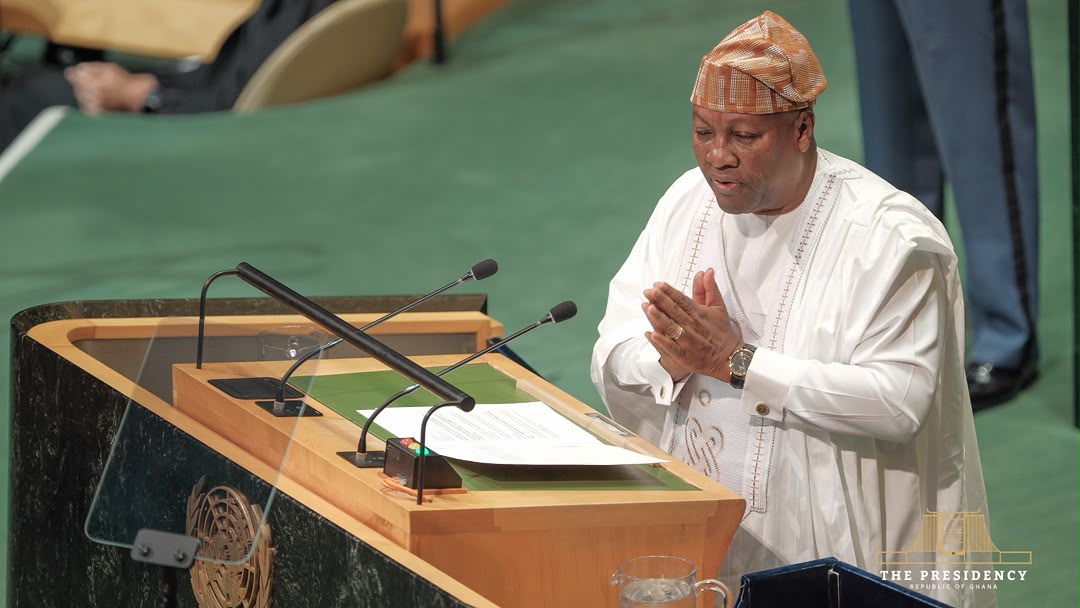
President John Dramani Mahama has called on developed nations to honour their climate finance commitments through predictable grants rather than loans, arguing that countries contributing the least to global emissions should not be pushed deeper into debt to recover from climate disasters.
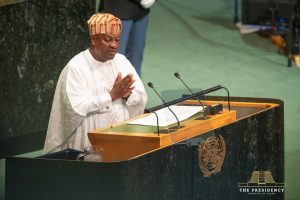
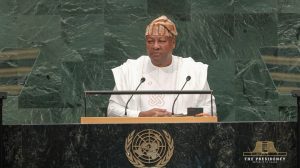
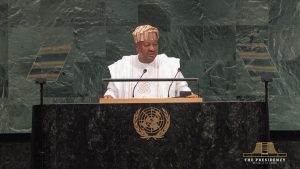
Addressing the 81st Session of the United Nations General Assembly in New York, President Mahama said climate change had become the ultimate test of global equity, with Africa bearing a disproportionate share of its devastating consequences despite contributing less than four per cent of global greenhouse gas emissions.
He said African countries continued to face erratic rainfall, coastal erosion and advancing desertification, while being forced to borrow heavily to rebuild after disasters they did not cause.
“Climate justice demands that developed nations fulfil their long-overdue financial commitments. Mitigation support must be operationalised with predictable, non-debt-creating grants, not loans that further indebt fragile economies,” he told the Assembly.
President Mahama cited the devastating floods that struck Ghana and coastal West Africa on June 29 this year, when torrential rainfall exceeding 160 millimetres fell across seven coastal regions within 24 hours, claiming 39 lives and leaving one person missing.
He stressed that the worsening frequency of floods, droughts, heatwaves and hurricanes demonstrated that climate change was no longer a distant threat but an unfolding global emergency requiring collective action.
Beyond climate finance, the President urged the international community to strengthen global health cooperation by investing in regional vaccine and therapeutic manufacturing, improving epidemic surveillance and building resilient public health systems across the Global South in line with the Accra Reset agenda.
He maintained that genuine global solidarity required equitable investment in both climate resilience and public health, particularly for developing countries facing the greatest vulnerabilities.
Richard Aniagyei, ISD