Ghana Pushes Financial Reforms to Boost Women’s Economic Participation
Ghana is calling for reforms in financial systems, public budgeting and market access to help more women secure funding, grow their businesses and contribute to national economic development.
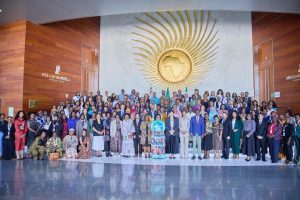
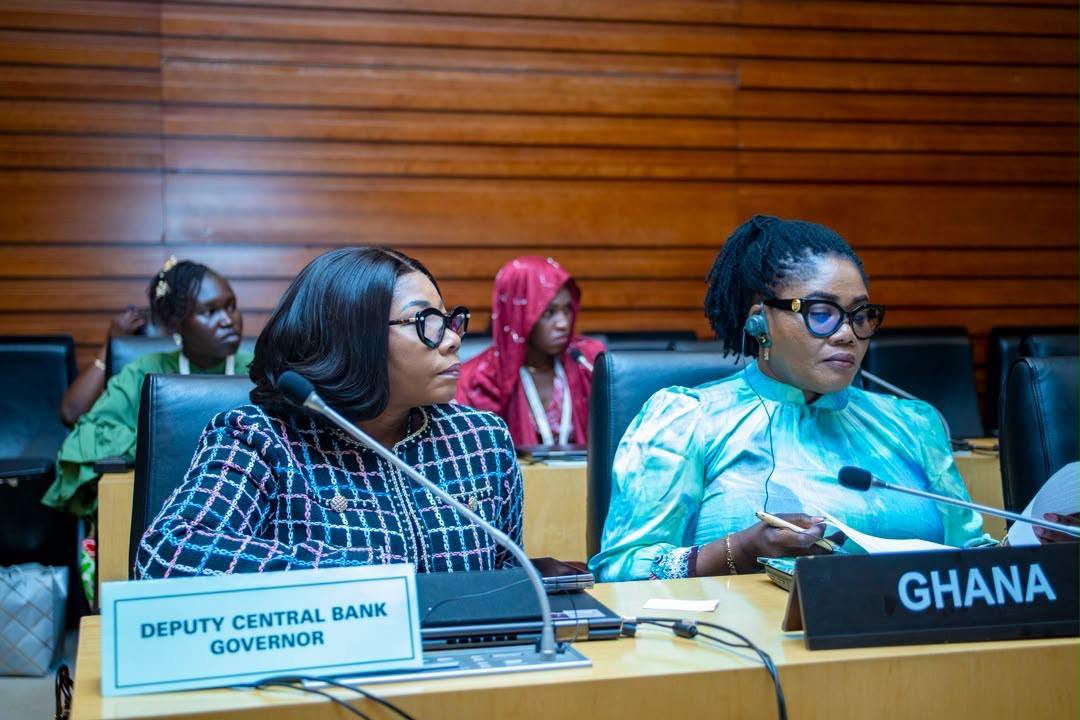
The Minister for Gender, Children and Social Protection, Dr Agnes Naa Momo Lartey, made the call at a ministerial policy roundtable during the Second Egumeni Dialogue on Gender Equality and Women’s Empowerment in Addis Ababa, Ethiopia, on Monday.
Speaking at the meeting, held under the theme “From Policy Commitments to Reforms: Creating an Enabling Environment for Women’s Economic Participation,” she said the priority was to turn existing policies and laws into practical interventions that improve women’s access to economic opportunities.
Dr Lartey noted that the challenge was not always the absence of policies, but whether institutions, budgets and financial systems were structured to deliver tangible benefits to women.
She stressed that women’s economic empowerment should be treated as a national development and macroeconomic priority because of its contribution to household welfare, employment, productivity and economic growth.
Highlighting Ghana’s efforts, the Minister cited the National Gender Policy 2025–2034, the implementation of the Affirmative Action (Gender Equity) Act, 2024 (Act 1121), and the proposed Women’s Development Bank as key measures to address barriers to women’s economic participation.
She said improving access to finance required more than encouraging banks to lend to women. Financial institutions, she explained, must also review their lending requirements, products and risk-assessment systems to make affordable financing accessible, particularly to women operating businesses in the informal sector.
Dr Lartey said the proposed Women’s Development Bank should be part of a broader financial inclusion strategy that links women entrepreneurs to business development support, markets, skills and technology.
She added that an integrated approach would enable women-owned businesses to expand, improve productivity, create jobs and strengthen women’s financial independence.
The Minister also called for stronger gender-responsive budgeting to ensure that funding for women’s economic empowerment was clearly identified, adequately provided for and tied to measurable results.
She emphasised the need for closer coordination among the Ministry of Finance, financial institutions, regulators, trade and industry agencies, local government authorities and the private sector to ensure that interventions were coordinated and effective.
On regional trade, Dr Lartey urged stakeholders to help women-owned businesses take greater advantage of opportunities under the African Continental Free Trade Area (AfCFTA).
She called for improved connections to export markets and buyers, easier access to product standards and certification, stronger digital marketing and e-commerce skills, and better access to trade information, logistics and export financing.
The Minister reaffirmed Ghana’s commitment to working with the African Union and other member states through the Women and Youth Financial and Economic Inclusion 2030 (WYFEI 2030) initiative.
She said the collaboration would support shared learning, strengthen accountability, and accelerate reforms to advance women’s financial and economic empowerment across Africa.
Grace Acheampong, ISD