Ghana Targets Rice Self-Sufficiency by 2028 – Food and Agriculture Minister
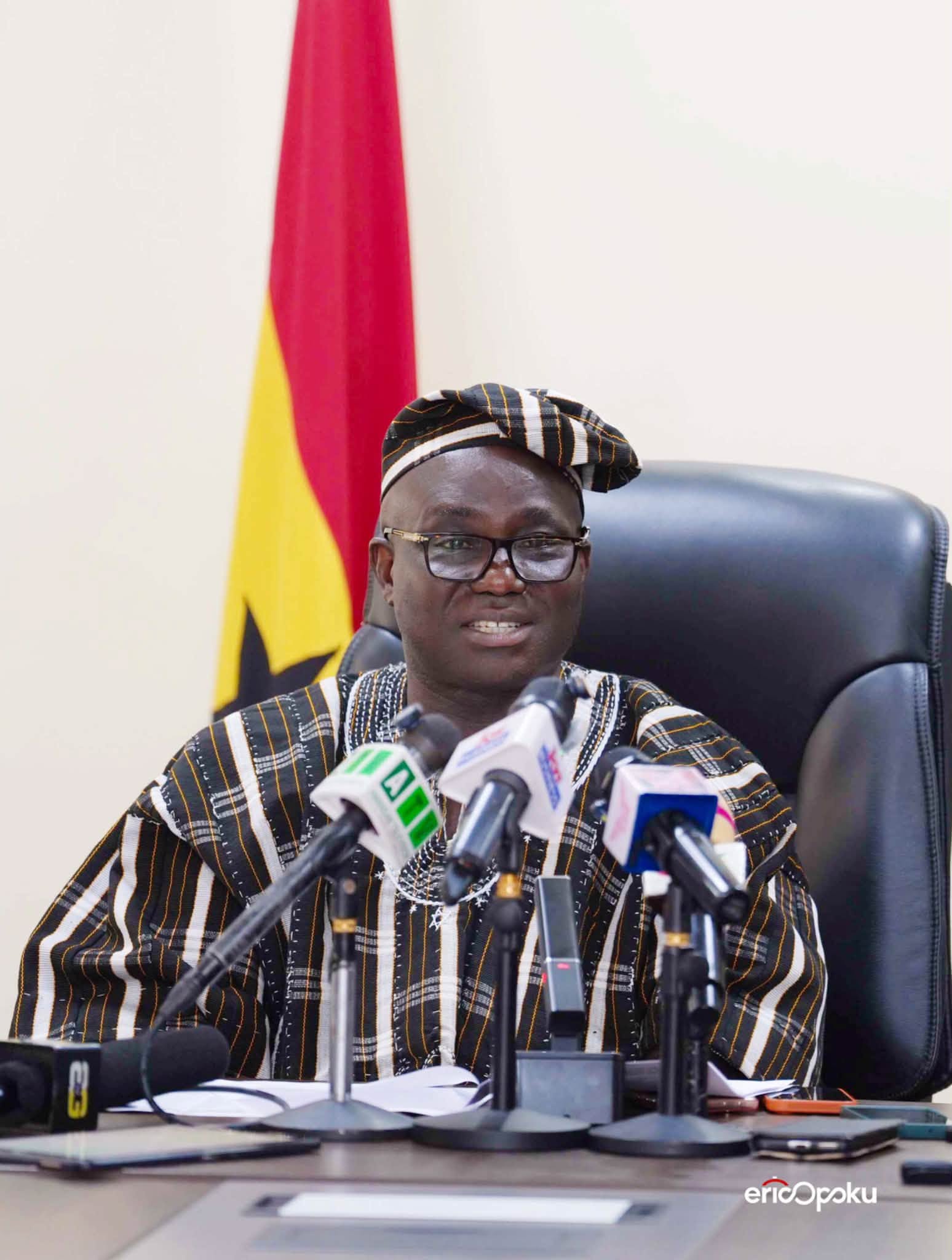
The Minister for Food and Agriculture, Eric Opoku, has announced that Ghana is targeting rice self-sufficiency by 2028, with national rice production expected to reach 3.31 million metric tonnes.
Mr Opoku said the target would be supported by the implementation of the US$18.8 million Regional West Africa Resilient Rice Value Chains Development (REWARD) Project, funded by a grant from the African Development Bank (AfDB).
Speaking at a press briefing in Accra on Wednesday, the Minister said the project formed part of the government’s efforts under the Feed Ghana Programme to close the gap between domestic rice production and growing national demand.
He said the REWARD Project would develop 3,200 hectares of land for rice production, improve yields from the current 3.5 tonnes to 4.5 tonnes per hectare, and provide farmers with improved access to quality seed, mechanisation, processing and storage facilities.
More than 20,000 smallholder farmers in selected districts are expected to benefit from the project, which will focus on strengthening the rice value chain and improving the quality and productivity of locally produced rice.
The beneficiary areas include Tamale Metropolitan, Mion, Savelugu, East Mamprusi, West Gonja, Bawku West, Wa Municipal, Sissala East and Nandom.
Mr Opoku said rice had become Ghana’s second most important cereal after maize, with population growth, urbanisation and changing consumer preferences driving demand beyond domestic production.
He said milled rice production had increased from about 650,000 tonnes to 900,000 tonnes in 2024 and further to 960,000 tonnes in 2025.
Despite the growth, the Minister said domestic production currently met only about 56 per cent of national demand, leaving the country to rely on imports for the remaining 44 per cent.
According to him, Ghana spends between US$320 million and US$500 million annually on rice imports, resources which, he said, could instead be retained within the domestic economy to support local farmers, millers and traders.
Mr Opoku said the government would therefore intensify interventions to expand production, improve productivity and strengthen the entire rice value chain as part of efforts to reduce dependence on imported rice.
Under the REWARD Project, he said farmers would receive appropriate mechanisation, including rotary tillers, seed drills, mini crawler combine harvesters, rice transplanters and boom sprayers.
The Minister also disclosed that the government was working to link rice import quotas to investment in local production to encourage stronger partnerships between importers and Ghanaian rice producers.
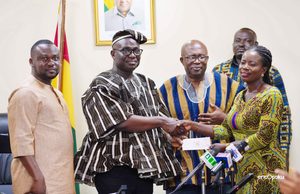
He further announced that Japan had provided a ¥394 million grant, equivalent to approximately US$2.49 million, to strengthen rice seed production through the provision of equipment and technical support.
Mr Opoku said the combined interventions were intended to boost local rice production, improve farmer incomes, reduce the country’s import bill and strengthen food and nutrition security.
He said achieving rice self-sufficiency would require sustained investment across the value chain, from production and seed development to mechanisation, processing, storage and marketing.
Judith Twumwaa, ISD