Ghana To Boost Heritage Conservation With 3D Technology and Digital Mapping
Ghana is set to strengthen the conservation and protection of its heritage sites through the use of digital mapping, 3D modelling and other advanced technologies under the Ghana Korea Heritage Project.
The project, which will run for five years, is expected to enhance the country’s capacity to document, monitor and protect heritage structures against climate-related threats while promoting research, technological innovation and sustainable heritage management.
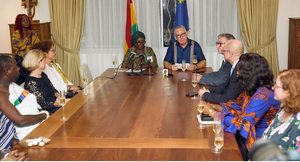
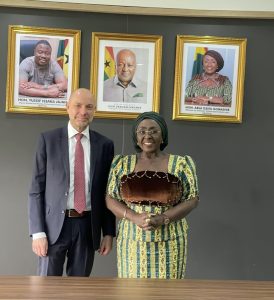
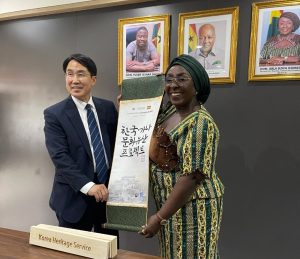
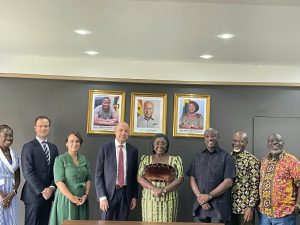
The Minister of Tourism, Culture and Creative Arts, Abla Dzifa Gomashie, disclosed this on Wednesday when she inaugurated a joint Ghana-Korea Heritage Project Steering Committee to provide strategic direction and oversight for the implementation of the programme.
She noted that the partnership between Ghana and Korea would introduce practical and scientific approaches to heritage conservation.
She said the project would benefit from climate risk mapping, digital surveying, 3D modelling and joint research, as well as the establishment of a dedicated monitoring facility and capacity building for local heritage site managers.
She stated that several preparatory activities had already been undertaken by the two countries, including policymakers’ training, a university symposium, a community dialogue in Jamestown, and technical planning and baseline studies.
The Minister said the project required a strong governance structure to ensure that the partnership produced measurable outcomes.
She said the Steering Committee would provide strategic oversight, take timely decisions and hold implementing partners accountable throughout the implementation period.
The Secretary General of the Korean National Commission for UNESCO, Dr Hyunik Hong, said the project would help Ghana establish a data-driven and climate-resilient heritage management framework.
He said the use of modern technology would support the scientific assessment, documentation and monitoring of heritage structures, while helping professionals respond more effectively to emerging threats.
Dr Hong said the Steering Committee would coordinate partnerships, uphold scientific standards and guide the implementation of the project through 2030 and beyond.
He reaffirmed Korea’s commitment to working with Ghanaian institutions to develop a sustainable and climate-adaptive approach to heritage management.
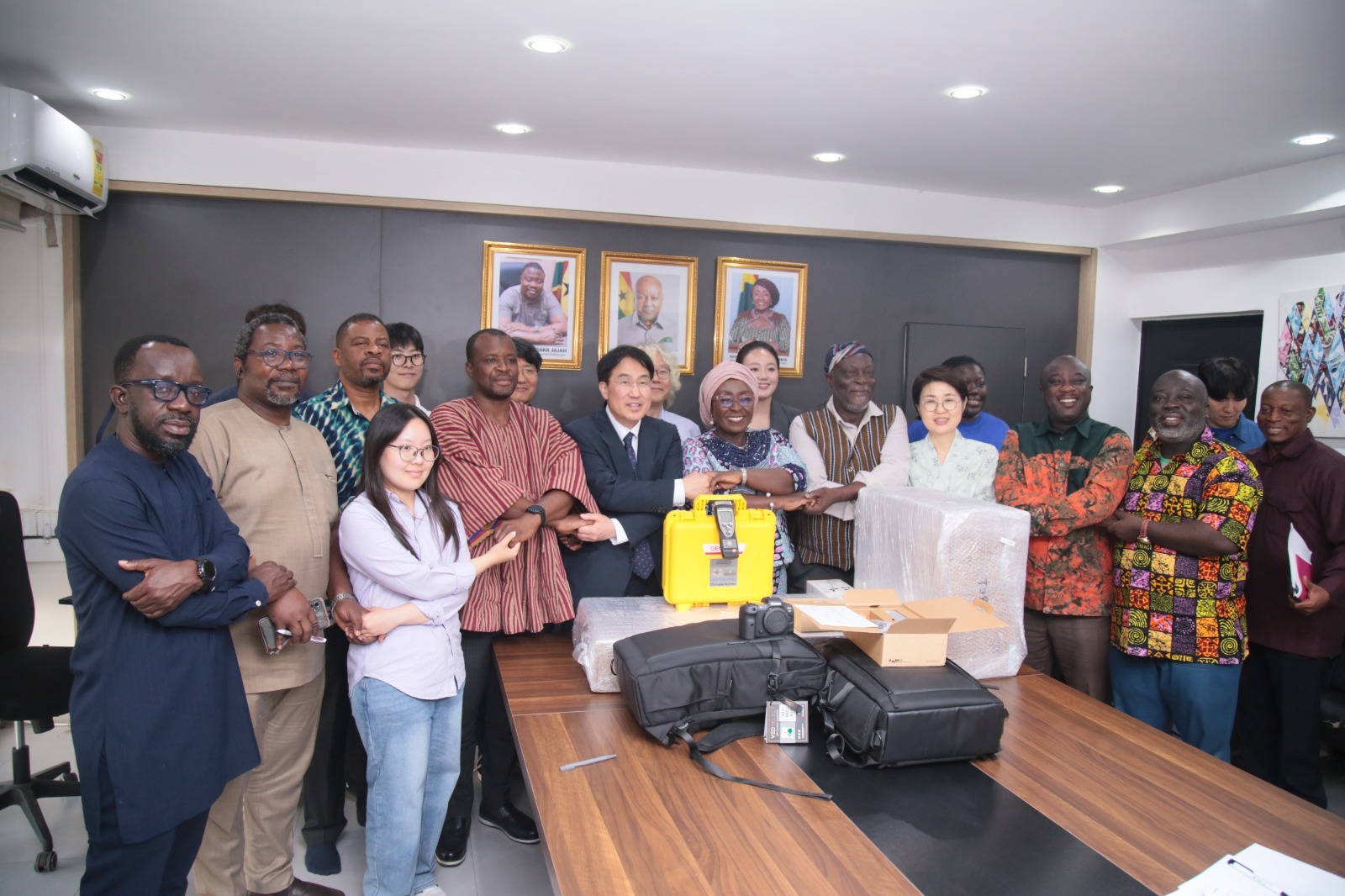
As part of the collaboration, the Korean team is providing specialised equipment and technology to support the project. Some of the equipment has already been delivered, while the remaining items are expected to arrive by November 2026.
The equipment includes laptops, desktop monitors, data management software, digital microscopes, ultrasonic testing devices, magnetic susceptibility meters, strength test rebound hammers, non-destructive moisture meters, callipers, crack gauges and crack monitoring sensor systems.
Other specialised equipment to be supplied includes an infrared thermal imaging camera, drone and high-resolution camera equipment, a 3D scanner, cameras and lenses, as well as GPS survey instruments.
The equipment is expected to improve Ghana’s capacity to undertake detailed scientific assessments and digital documentation of heritage structures and support the monitoring of structural changes and climate-related risks.
Irene Wirekoaa Osei, ISD