NHIA Cracks Down on Illegal Charges at Health Facilities in Bono East Region

The National Health Insurance Authority (NHIA) has warned healthcare providers in the Bono East Region against charging National Health Insurance Scheme (NHIS) members for services and items covered by the scheme, insisting that such practices will not be tolerated.
The warning follows reports of patients being asked to make out-of-pocket payments for basic medical supplies and services, despite a recent 50 per cent increase in NHIS tariffs and the regular payment of claims to service providers.
The Acting Bono East Regional Director of the NHIA, Kingsford Gyamfi Opoku, raised the concern at the maiden stakeholder engagement organised by the regional office to address challenges affecting healthcare delivery.
The meeting brought together district directors of health, representatives of the Ghana Health Service (GHS), and public and private healthcare providers.
Mr Opoku urged facility managers to uphold professional standards and comply with NHIS operational guidelines to protect members from unauthorised charges. He also cautioned healthcare facilities against losing the qualified staff and equipment that formed the basis of their accreditation.
A report presented by the Regional Quality Assurance Manager, Mahmoud Abdul Fatahi, identified several instances of facilities charging NHIS members for items and services such as gloves, syringes, children’s name tags, ambulance services and utility bills.
The report also highlighted operational shortcomings, including the use of uncertified prescribers, poor infection prevention and control practices, and improper waste management.
Beyond the concerns over illegal charges, Mr Opoku briefed stakeholders on the One-Time Attendance Code (OTAC), a digital verification system being piloted in parts of the country to authenticate NHIS members accessing care at accredited facilities.
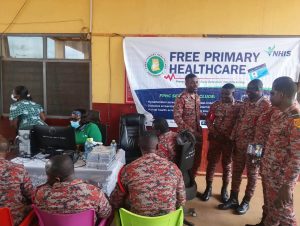
He also outlined the government’s Free Primary Health Care (FPHC) programme, which is being implemented by the GHS in collaboration with the NHIA. The programme aims to strengthen preventive and promotive healthcare and help reduce the incidence of non-communicable diseases.
During the discussions, healthcare facility managers called for a further increase in NHIS tariffs, citing the rising cost of medical supplies and medicines.
District health directors, meanwhile, proposed a grace period for newly established clinics to meet accreditation requirements. They also called for greater involvement of the GHS in the accreditation of private healthcare facilities.
The stakeholders agreed to make the engagement a regular exercise to strengthen cooperation between the NHIA and healthcare providers, improve compliance with scheme requirements and address challenges affecting service delivery in the region.
Grace Acheampong, ISD