SOCO Equips 120 Community Facilitators in Upper West with Biometric Tablets
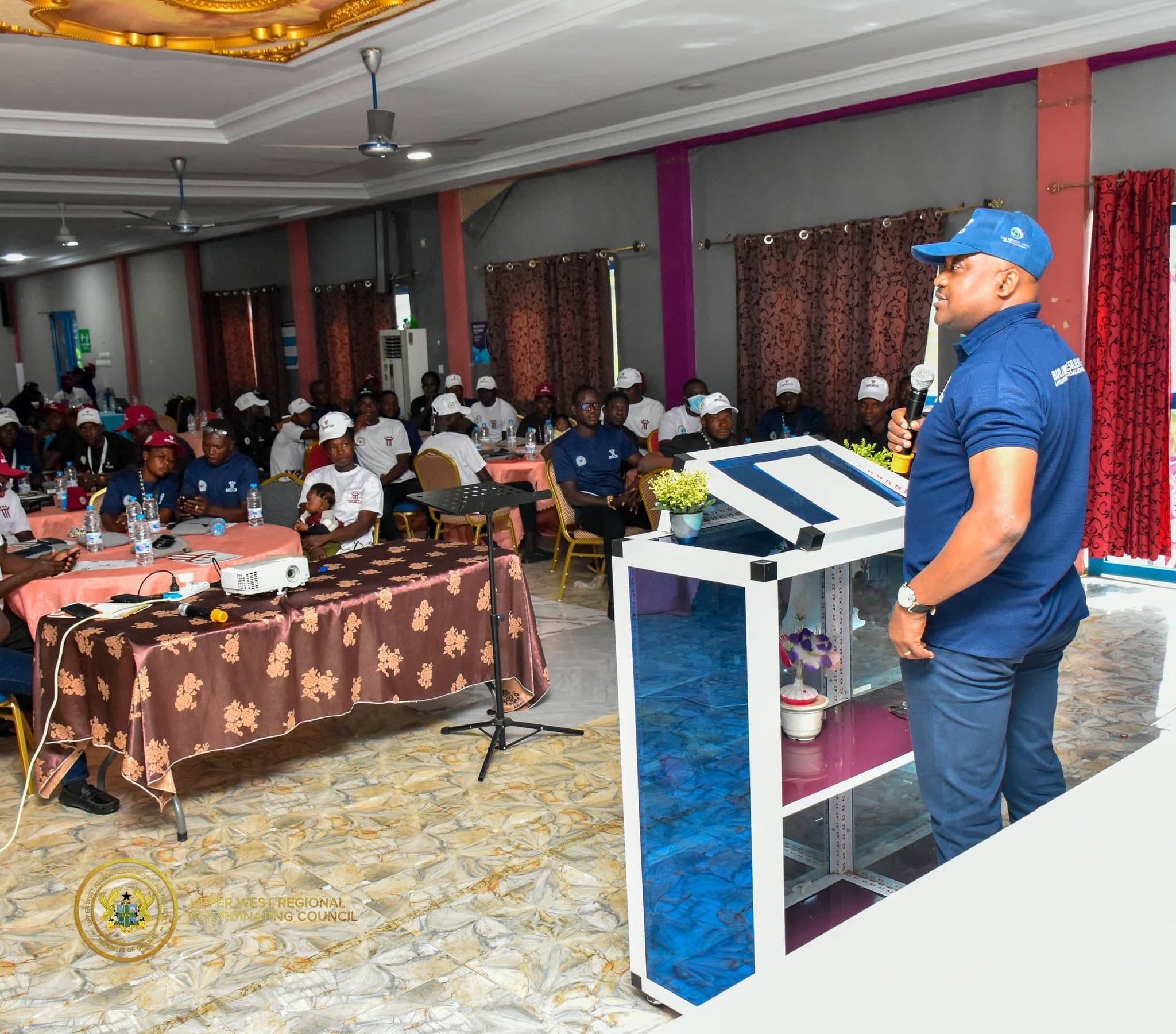
The Gulf of Guinea Northern Regions Social Cohesion (SOCO) Project has provided 120 community facilitators in the Upper West Region with biometric tablets to strengthen transparency, accountability and data-driven monitoring of community development projects.
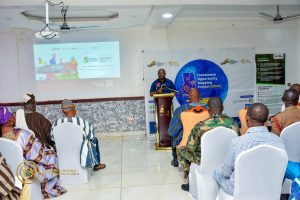
The tablets were distributed during a three-day orientation programme in Wa to equip the facilitators with the skills to use the digital devices to record the attendance of community labourers working on SOCO-funded projects, thereby improving the accuracy of payroll records and wage payments.
The initiative forms part of efforts to strengthen project monitoring and ensure that resources allocated to community development interventions are managed efficiently and transparently.
The SOCO Project is being implemented in 48 district assemblies across six regions, covering 192 clusters and involving approximately 382 community facilitators.
Speaking during the orientation, the SOCO Management Information Systems Specialist, Mr Richard Adofo Ansung, said the introduction of the biometric tablets would provide a more effective system for documenting project activities, monitoring implementation and tracking progress at project sites.
He explained that the digital tools would support the collection of reliable data and improve accountability in the implementation of the project’s interventions.
The SOCO Zonal Coordinator for the Upper West and Savannah Regions, Mr David Yankey, provided an update on the progress of sub-projects under the programme.
He reported that 98 of the 127 sub-projects under the first cycle had been completed and handed over, while approximately 151 of the 173 sub-projects under the second cycle had also been completed.
The Upper West Regional Minister, Mr Charles Lwanga Puozuing, Esq., urged the community facilitators to uphold professionalism, fairness and integrity in the discharge of their duties.
He advised them to share only verified information, listen to community members before responding to their concerns and conduct themselves in ways that would build public trust.
The Minister also encouraged the facilitators to manage their earnings responsibly and acquire additional skills to improve their prospects.
“When communities are properly informed and actively involved, they are more likely to understand, support, protect, and take ownership of development interventions,” he said.
He emphasised the importance of community participation and access to reliable information in ensuring the sustainability of development projects.
Faustina Naa Ayele Johnson, ISD