
TEMA GENERAL HOSPITAL STRENGTHENS TRANSPARENCY THROUGH RTI SENSITIZATION PROGRAMMES
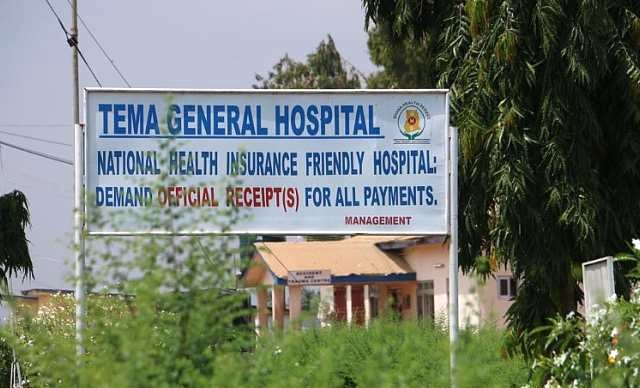
Tema General Hospital has intensified efforts to promote transparency, accountability, and lawful information management through a series of sensitization programmes on the Right to Information (RTI) Act, 2019 (Act 989). Held on 10th February and 12th March 2026 at the hospital’s Training Centre, the engagements brought together staff from various departments to deepen their understanding of the Act and its role in strengthening public sector accountability. The programmes formed part of the hospital’s commitment to fostering a culture of openness while ensuring compliance with the legal framework governing access to information in Ghana.

Facilitating both sessions was the hospital’s Right to Information Officer, Mr. Edem Akotey, who highlighted the constitutional foundation of the RTI Act under Article 21(1)(f) of the 1992 Constitution. He explained that the Act was enacted to give practical effect to citizens’ right to access information held by public institutions and to promote transparency, accountability, and citizen participation in governance. Mr. Akotey underscored the vital role of Information Officers in guiding the public through the information request process, ensuring compliance with statutory timelines, and supporting institutions in fulfilling their obligations under the law.
Participants were taken through the procedures for requesting information, the responsibilities of public institutions, and the safeguards available to applicants whose requests are denied. Mr. Akotey emphasized the importance of proactive disclosure and effective records management as essential tools for enhancing public trust and improving service delivery. He further explained the review and appeal mechanisms established under the Act, including the role of the Right to Information Commission in protecting the rights of information seekers and ensuring institutional accountability.

A key focus of the sensitization programmes was the need to balance transparency with confidentiality, particularly within the healthcare sector. Participants were educated on categories of exempt information, including matters relating to national security, privileged communications, commercial confidentiality, and personal information. Special attention was given to the protection of patient records and medical information, with staff reminded that while the RTI Act promotes maximum disclosure, it also safeguards sensitive information in accordance with legal and ethical standards. The interactive sessions provided opportunities for staff to seek clarification on practical issues relating to records management, information classification, and the handling of confidential documents.
The programmes reinforced the importance of the RTI Act as a tool for open governance and community development. By enabling citizens to access information, the Act empowers them to make informed decisions, participate meaningfully in governance processes, and hold public institutions accountable. The active participation of staff demonstrated a growing appreciation of the role transparency plays in improving public confidence and service delivery. Through the leadership of the RTI Officer and the continued education of staff, Tema General Hospital is contributing to the national effort to build responsive, transparent, and citizen-centred public institutions that support sustainable community development.