Africa Rejects ‘Capacity’ Argument Against Artifact Restitution, Presdient Mahama Declares
President John Dramani Mahama has rejected the long-standing argument that African countries lack the capacity to preserve returned cultural artefacts, insisting that infrastructure challenges can never justify the continued possession of Africa’s heritage by foreign institutions.
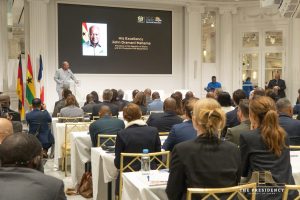
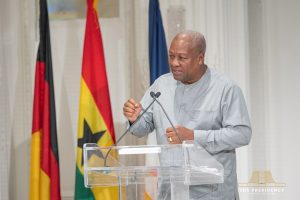
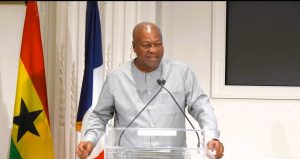
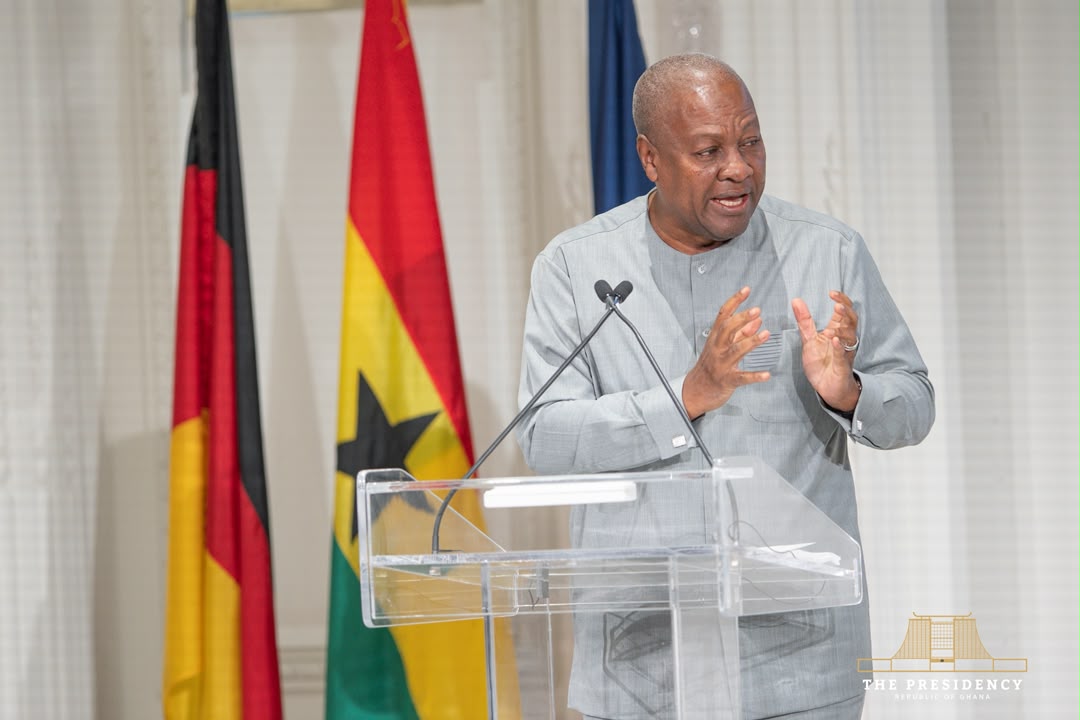
Delivering his address at the Next Steps High-Level side event on the sidelines the 81st United Nations General Assembly, the President said the narrative surrounding Africa’s inability to care for its own cultural property must be abandoned.
“Capacity constraints must never be used as a justification for continued possession,” he declared. “Capacity must serve as a bridge to return, but not as a barrier to justice.”
President Mahama said one of the most common objections raised against restitution is the claim that African museums and conservation facilities are inadequate to protect valuable artefacts.
He argued that such reasoning perpetuates historical injustice by delaying the return of objects that belong to living communities and traditional institutions.
The President pointed to ongoing continental initiatives under the African Union’s Agenda 2063, including the development of the Great African Museum, as evidence that Africa is investing in world-class institutions capable of preserving its cultural legacy.
He also announced that Ghana is constructing a state-of-the-art national and traditional institution dedicated to preserving, researching and exhibiting returning cultural treasures.
According to him, where technological, conservation or digitisation gaps exist, the appropriate response should be investment through genuine multilateral partnerships rather than withholding restitution.
President Mahama called on UNESCO, the United Nations and countries holding African artefacts to establish standardized mechanisms that simplify provenance research and remove legal obstacles to unconditional restitution.
He noted that many of the objects held abroad are not relics of extinct civilizations but sacred items connected to active traditional authorities and communities across Africa.
The President cited the return of the Mpomponsuo Sword to the Asante Kingdom in 2024 as an example of how restitution strengthens living cultural institutions rather than merely expanding museum collections.
He said Africa’s cultural heritage was carved into sacred wood, cast in bronze, woven into textiles and preserved in manuscripts that continue to shape the identity of millions of people.
President Mahama maintained that restoring these treasures is essential to preserving historical memory and ensuring that future generations encounter their heritage within their own communities.
Richard Aniagyei, ISD