Environmental Protection Requires Public Trust and Accountability — Dr. Zanetor
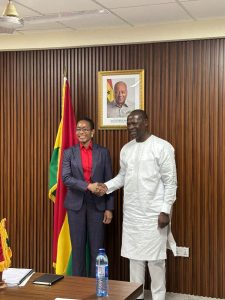
The Minister of Environment, Science and Technology, Dr Zanetor Agyemang-Rawlings, has called for greater transparency, accountability and collaboration between the Environmental Protection Authority (EPA) and the public to strengthen Ghana’s efforts to protect the environment.
She said rebuilding public confidence in environmental regulation was essential to ensuring that laws governing the protection of the country’s water bodies, land and other natural resources were applied fairly and consistently.
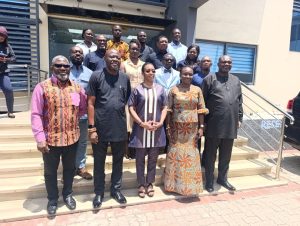
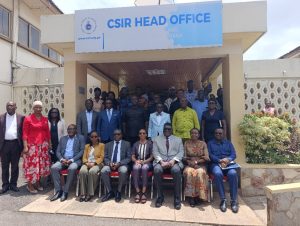
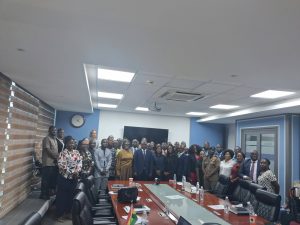
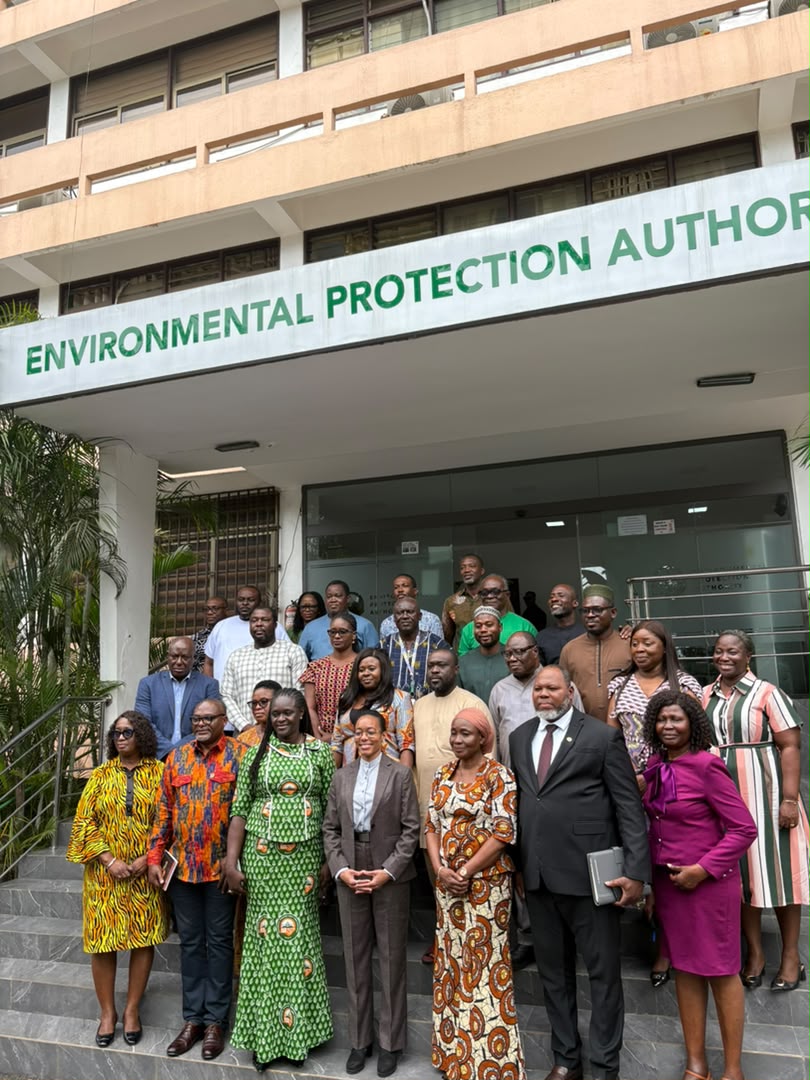
Dr Agyemang-Rawlings made the call when she paid a familiarisation visit to the EPA on Friday, to engage the management and staff of the Authority on its mandate, ongoing programmes and challenges.
“Your integrity is key to the trust of the citizens in you achieving your objectives,” she said, urging the Authority to ensure that its actions were transparent and guided by the interest of the Ghanaian people.
The Minister said greater transparency would also help address perceptions that the environmental laws were being enforced selectively.
Dr Agyemang-Rawlings also emphasised that environmental protection could not be left to the EPA or government alone, describing it as a shared responsibility between the State and citizens.
She said activities such as illegal mining, indiscriminate disposal of waste, open burning and the improper use of harmful chemicals all involved human decisions and therefore required behavioural change alongside enforcement.
The Minister therefore urged citizens to recognise that environmental violations were not isolated problems, but matters that could affect communities across regions and generations.
Dr Agyemang-Rawlings called for stronger public education, especially among children, saying environmental awareness introduced in schools could have a wider impact on households and communities.
She encouraged the EPA to deepen collaboration with institutions such as the National Commission for Civic Education (NCCE), while making greater use of social media and other communication platforms to reach the public.
She further reiterated the need for sustained public education ahead of the implementation of the ban on styrofoam, saying effective awareness creation would help citizens understand the environmental implications of its use and comply with the new regulations.
Dr Agyemang-Rawlings assured the EPA of the Ministry’s support, while emphasising that transparency and accountability must remain central to the relationship.
The Chief Executive Officer of the EPA, Professor Nana Ama Browne Klutse, outlined the Authority’s expanded mandate and ongoing interventions in environmental protection and enforcement.
She said the Authority was undertaking activities covering chemicals management, environmental quality management, waste management, compliance monitoring and enforcement, laboratory services, climate action, environmental education, land reclamation and water restoration.
Prof. Browne Klutse said the EPA had intensified efforts to disrupt the support systems sustaining illegal mining, including controls on chemicals and mining equipment.
According to her, the Authority had strengthened monitoring at the country’s ports in collaboration with the Customs Division of the Ghana Revenue Authority and other institutions to prevent restricted and banned goods from entering the country.
The EPA CEO disclosed that the Authority was also enforcing a ban on the importation, manufacture and use of changfa machines, which are widely associated with mining activities in water bodies.
Judith Twumwaa, ISD