EU Envoys Engage Northern Region on Sahel Security Threats
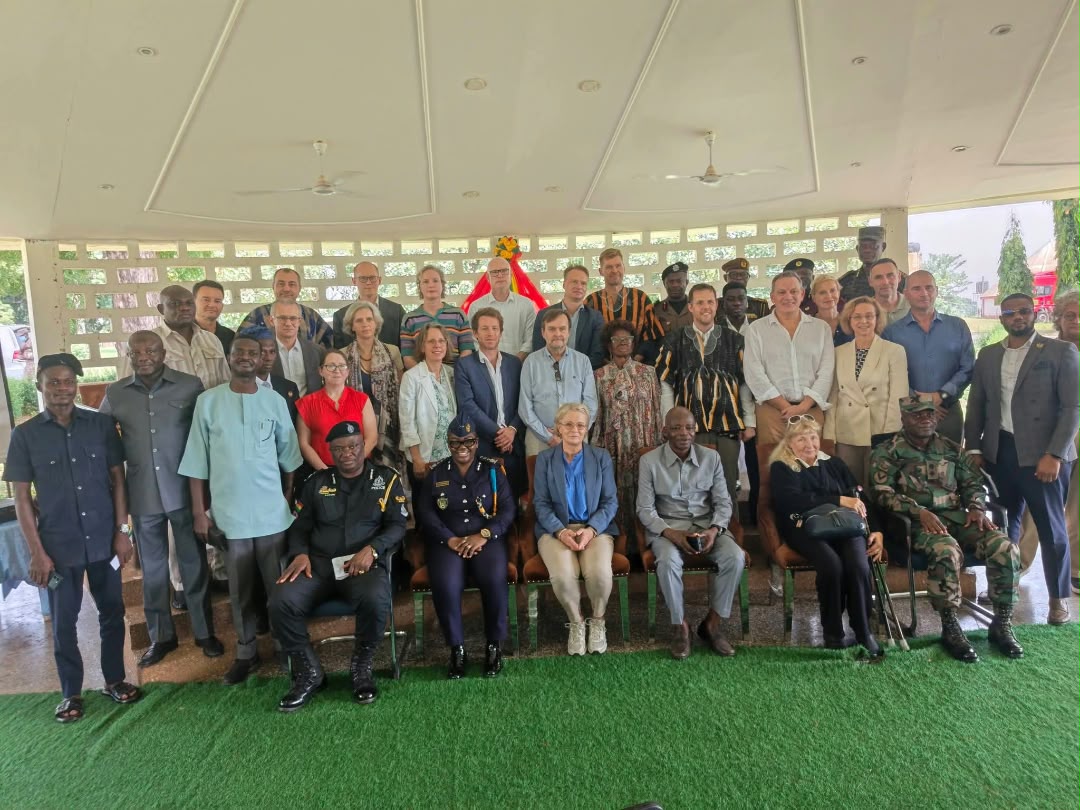
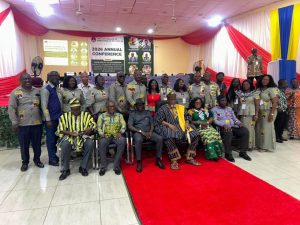
The European Union (EU) has held discussions with the Northern Regional Security Council (REGSEC) and civil society organisations on ways to strengthen cooperation to address security threats and promote peace in the Northern Region and the wider Sahel sub-region.
The engagement, held on Thursday, was led by Ms Birgitte Nygaard Markussen, the EU Special Representative for the Sahel. It focused on the region’s security situation, ongoing interventions and the need for stronger cooperation among security agencies, government institutions and civil society organisations.
Welcoming the delegation, the Acting Chief Director of the Northern Regional Coordinating Council (NRCC), Mr Sumaila Ewuntomah Abudu, commended the EU for engaging regional stakeholders on peace and security.
He said such engagements were important for building mutual understanding and strengthening cooperation to address security challenges affecting the Northern Region and the wider Sahel.
The Regional Security Liaison Officer, Chief Satia Naa Adam, briefed the delegation on the region’s security arrangements and measures to maintain peace and protect residents.
He explained that REGSEC worked with security agencies and other institutions to monitor security developments, identify potential threats and coordinate responses to emerging challenges.
Chief Satia Naa Adam identified drug trafficking, substance abuse and possible terrorism-related threats among the security concerns requiring continued attention.
He stressed the importance of sharing information, improving cooperation among security agencies and responding quickly to security alerts to prevent incidents that could threaten public safety.
He also appealed for additional logistical and operational support to strengthen the capacity of security agencies to respond effectively to emerging threats and protect lives and property.
The briefing was followed by a question-and-answer session, during which participants discussed the security situation and sought further information on measures being taken to maintain stability in the region.
Speaking on behalf of the EU delegation, Ms Markussen commended REGSEC for the briefing, saying it had provided useful information on the region’s security arrangements and the challenges facing stakeholders.
She emphasised the importance of continued engagement with regional authorities, security agencies and civil society organisations in developing effective responses to security challenges.
The Northern Regional Minister and Chairman of REGSEC, Mr Ali Adolf John, said peace and security were necessary for economic growth, social development and the well-being of communities.
He noted that a peaceful environment allowed residents to pursue their livelihoods, businesses to operate, and government development programmes to benefit the public.
Mr Adolf called for collective efforts by government institutions, security agencies, traditional authorities, civil society organisations and local communities to prevent conflicts and address security threats before they escalate.
The engagement also highlighted civil society organisations’ role in promoting peaceful coexistence, educating the public, identifying early signs of conflict and supporting efforts to prevent violence within communities.
The discussions took place amid wider security concerns in parts of the Sahel, where cross-border threats have increased the need for cooperation among countries and their security institutions.
The meeting ended with a call for sustained dialogue and stronger partnerships among the EU, REGSEC, civil society organisations and other stakeholders to address security concerns and support lasting peace in the Northern Region and the wider Sahel.
The engagement forms part of ongoing efforts to strengthen cooperation between regional authorities and international partners in responding to security challenges and creating a safer environment for development.
Faustina Naa Ayele Johnson, ISD