Gender Minister Pushes for Greater Support for Women-Owned Businesses
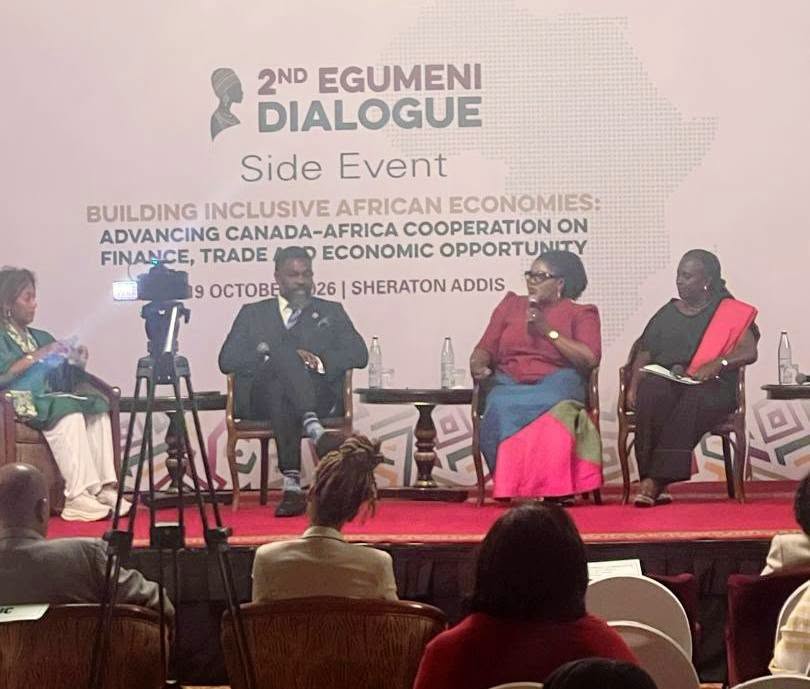
The Minister for Gender, Children and Social Protection, Dr Agnes Naa Momo Lartey, has called for stronger Canada–Africa partnerships to improve women’s access to finance, trade and business opportunities, saying inclusive economic growth must address the barriers that limit women’s participation.
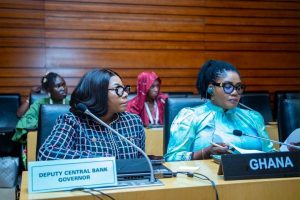
She made the call during a panel discussion at the Canada–Africa Policy Roundtable and Reception in Addis Ababa, Ethiopia, held under the theme, “Building Inclusive African Economies: Advancing Canada–Africa Cooperation on Finance, Trade and Economic Opportunity.”
The engagement formed part of the Egumeni Dialogue, which promotes policy discussions and partnerships between Africa and its international partners.
Dr Lartey said expanding investment and trade alone would not guarantee inclusive growth unless deliberate steps were taken to address the structural challenges facing women in business.
She acknowledged Canada’s support for initiatives in Ghana, including the Making Trade Work for Women in West Africa project, the Enhancing Market Participation and Learning Opportunities for Young Women (EMPLOY) project, and the Climate Resilient Livelihoods for Women in Northern Ghana (CLIMB) project.
The Minister outlined three key areas for stronger cooperation: improving access to affordable finance for women-owned businesses, increasing women’s participation in regional and international trade, and investing in skills development, technology, childcare, social protection and safe working environments.
She also identified the African Continental Free Trade Area (AfCFTA) as an opportunity to connect women-owned enterprises to larger markets and regional value chains.
However, she stressed that women needed practical support to meet product standards, obtain certification, adopt digital commerce and connect with buyers and investors to take full advantage of the expanded market.
Dr Lartey said empowering women economically required a coordinated approach that combined financial support with skills training, market access and measures to address structural inequalities.
She reaffirmed Ghana’s commitment to partnerships that bring together finance, trade, technical expertise and investment to help women-owned businesses expand, create jobs and contribute to national and regional economic development.
Grace Acheampong, ISD