GIS Raises Concern Over Abuse of ECOWAS Free Movement Protocol and Growing Security Threats
The Ghana Immigration Service (GIS) has expressed concern over the increasing abuse of the ECOWAS Free Movement Protocol by some citizens within the sub-region, warning that irregular migration and transnational crimes are posing significant threats to Ghana’s internal security.
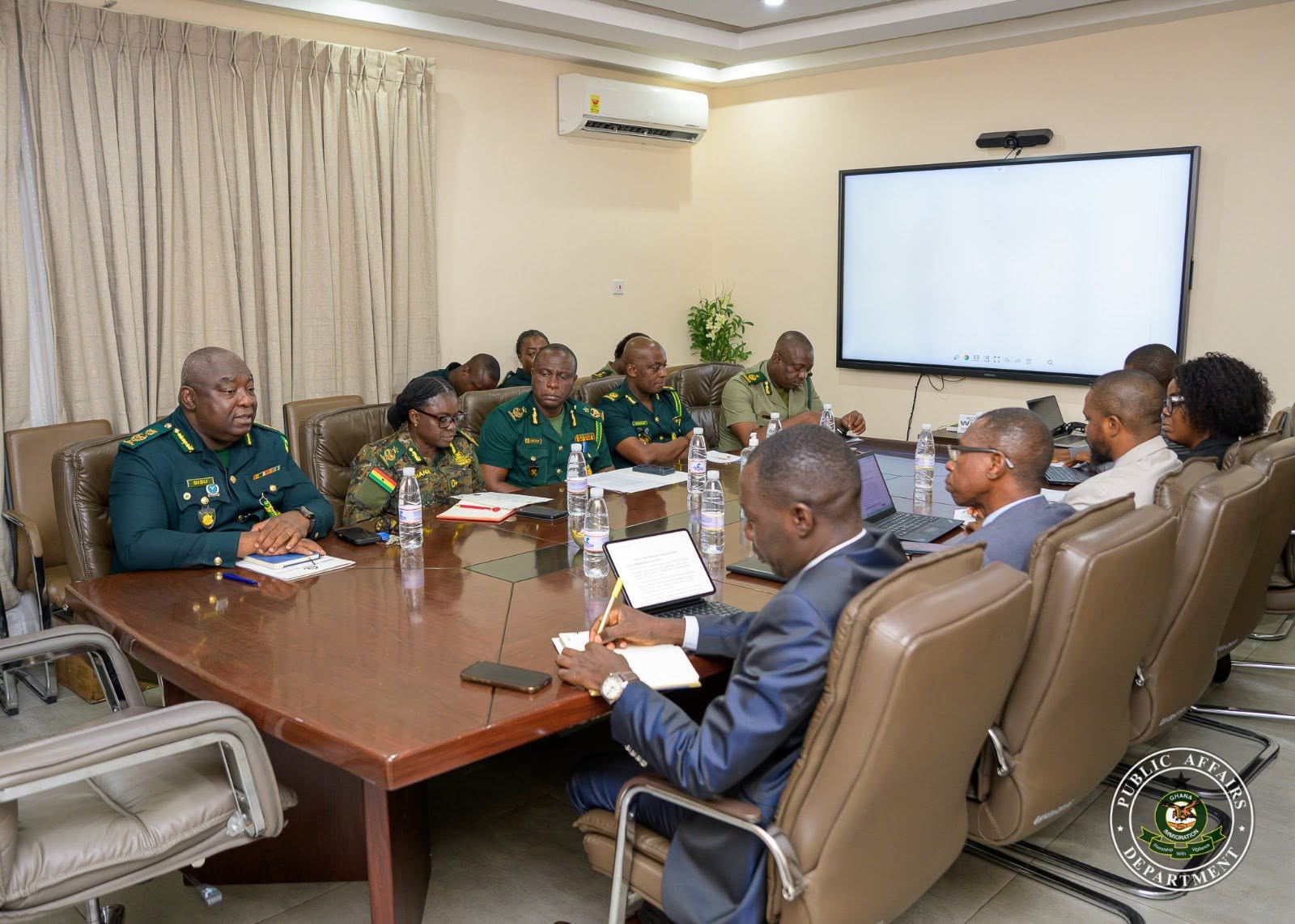
The concerns were raised during a high-level engagement between the GIS and a delegation from the West African Monetary Institute (WAMI), led by Dr. Abraham Abdulai, on Thursday in Accra.
The meeting formed part of WAMI’s study visit to assess challenges associated with the implementation of ECOWAS protocols on free movement, trade, and the use of the ECOWAS biometric identification system across member states.
Speaking during the discussions, the Deputy Comptroller-General of Immigration in charge of Command Post and Operations, Mr. Faisal Disu, noted that while the ECOWAS Free Movement Protocol was designed to facilitate regional integration and economic development, its implementation has increasingly been exploited by criminal elements.
According to him, Ghana continues to witness an influx of individuals involved in irregular migration, child trafficking, cyber fraud, organized street begging, and other forms of transnational criminal activities.
“Ghana is currently attracting a lot of bad actors into the country,” Mr. Disu stated, cautioning that proceeds from organized begging syndicates and other criminal networks could potentially be used to finance terrorism and other illicit activities.
The discussions also highlighted challenges affecting the implementation of the ECOWAS National Biometric Identity Card.
Participants observed that only Ghana, Senegal, and Côte d’Ivoire have fully implemented the biometric identification system, limiting its effectiveness in facilitating secure and seamless movement within the sub-region.
Another concern raised was the existence of multiple currencies within the ECOWAS region, which continues to present challenges to trade facilitation and regional economic integration.
Dr. Abraham Abdulai explained that WAMI’s ongoing assessment seeks to identify implementation gaps and develop practical strategies to strengthen regional cooperation.
He indicated that recommendations from the exercise would contribute to the establishment of benchmarks, including the development of a centralized database of ECOWAS citizens to enhance border management and improve information sharing among member states.
Judith Twumwaa, ISD