MoTAI Sensitises Businesses on Trade Standards to Boost Market Access
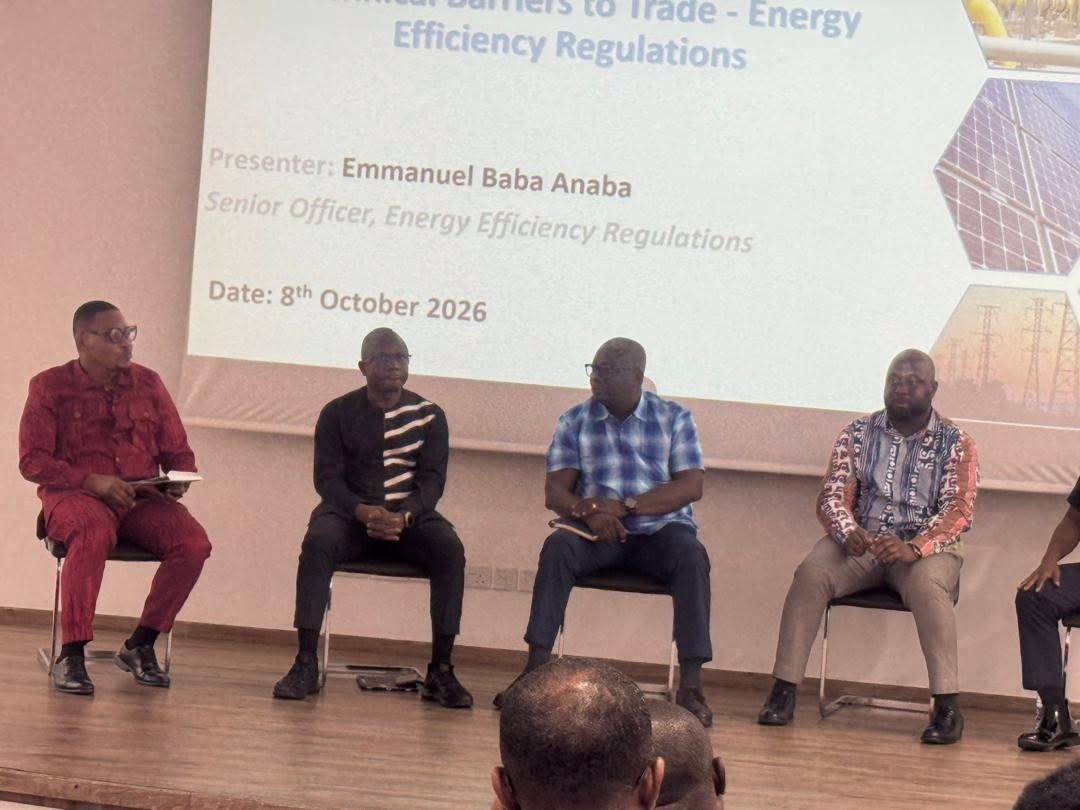
The Ministry of Trade, Agribusiness and Industry (MoTAI) has organised a one-day sensitisation workshop for private sector operators to deepen their understanding of Sanitary and Phytosanitary (SPS) measures and Technical Barriers to Trade (TBT) requirements governing international commerce.
The workshop, held in Accra on Thursday, brought together exporters, importers and other industry stakeholders to equip them with the knowledge needed to navigate technical regulations and standards imposed by trading partners.
The engagement, organised through the Ministry’s Standards Division under the Industrial Development Directorate, formed part of efforts to strengthen the capacity of Ghanaian businesses to meet international trade requirements and improve their access to foreign markets.
Speaking at the opening of the workshop on behalf of the Sector Minister, the Head of the Standards Division, Mr Michael Senayah, said the programme was intended to provide exporters and importers with essential information on SPS and TBT requirements and their potential implications for business operations.
He noted that a clear understanding of these measures was important for businesses seeking to comply with the regulatory frameworks of destination markets and sustain their participation in international trade.
According to him, Sanitary and Phytosanitary measures are regulations designed to protect human, animal and plant health, while Technical Barriers to Trade relate to technical regulations, product standards and conformity assessment procedures that goods must satisfy before entering particular markets.
He noted that failure to meet such requirements can result in delays, additional costs or the rejection of products at destination markets, making compliance knowledge an important consideration for businesses engaged in cross-border trade.
The workshop therefore provided an opportunity for private sector operators to strengthen their understanding of the standards and regulatory obligations that influence the movement of goods across international borders.
Through the initiative, MoTAI seeks to support Ghanaian businesses in identifying and addressing compliance challenges that could limit their competitiveness in regional and global markets.
The Ministry’s continued engagement with industry stakeholders is expected to contribute to improved compliance with international standards and support Ghanaian enterprises in expanding their participation in global trade.
Judith Twumwaa, ISD