Trade Ministry Backs Creative Arts as Tool for Prison Inmates’ Rehabilitation
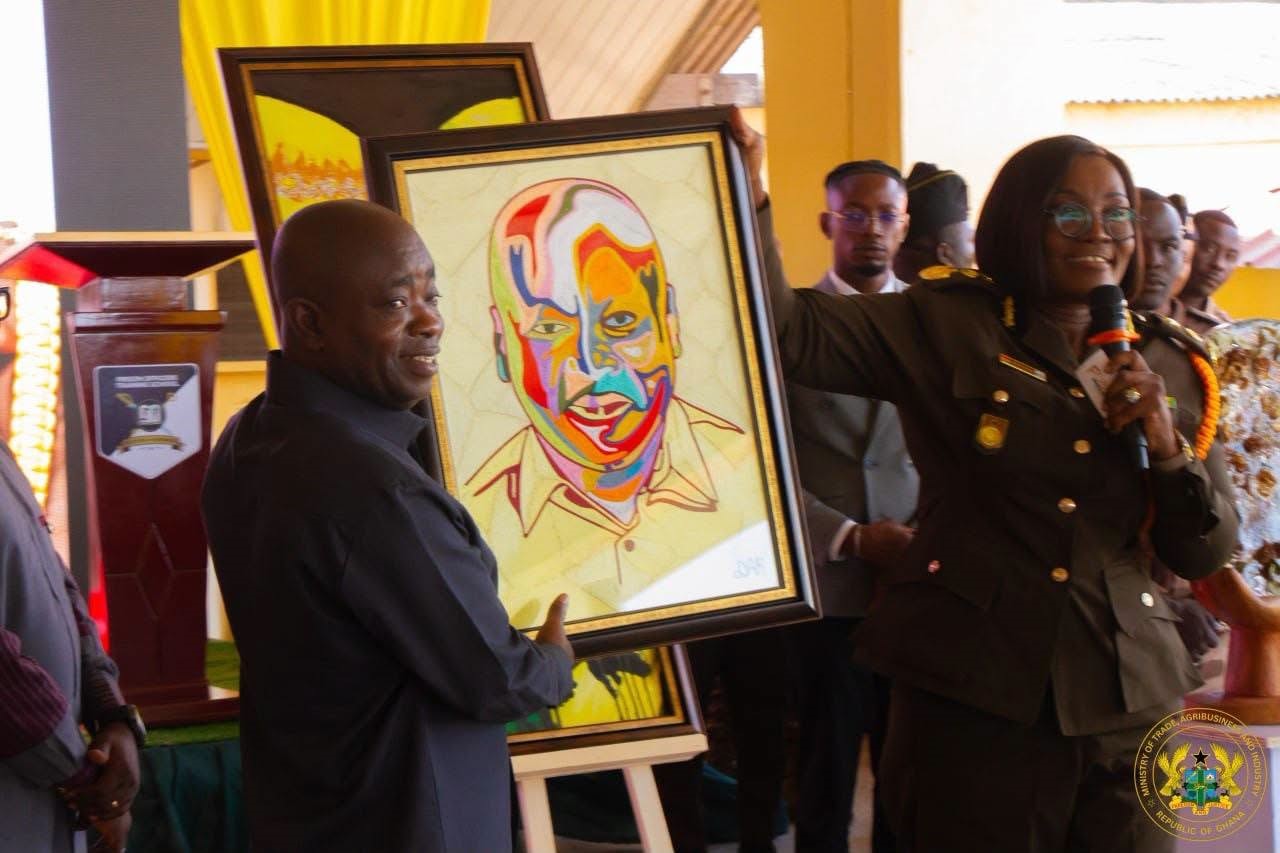
The Ministry of Trade, Agribusiness and Industry has called for greater use of creative arts to equip prison inmates with practical skills, promote economic empowerment and facilitate their successful reintegration into society after serving their sentences.
The Ministry said creative arts offered opportunities for inmates to discover their talents, rebuild their confidence and develop skills that could support sustainable livelihoods upon their release.
The Deputy Minister for Trade, Agribusiness and Industry, Mr Sampson Ahi, made the call at the maiden Director-General and Adehyee’s Art Exhibition.
He commended the Ghana Prisons Service for leveraging creative arts as a tool for human transformation, skills development and economic empowerment.
He said correctional work should extend beyond confinement to include programmes that help inmates acquire practical skills, develop their abilities and prepare for productive lives after their release.
According to him, art serves as a universal language that promotes mutual understanding and celebrates shared humanity, making it an important instrument for rehabilitation and social reintegration.
Mr Ahi also highlighted the potential of Ghana’s creative arts industry to generate employment, promote entrepreneurship and contribute to national economic growth.
He called for exhibitions of this nature to be developed into sustainable platforms for identifying and nurturing talent among inmates, building strategic public-private partnerships and connecting their creative works to commercial markets.
He noted that creating market opportunities for artworks produced by inmates could help them earn income, develop entrepreneurial skills and establish a foundation for economic independence.
The Deputy Minister further urged society to look beyond the past mistakes of incarcerated persons, abandon stigmatisation and recognise their dignity, talents and capacity to contribute meaningfully to national development.
He reaffirmed the Ministry’s commitment to initiatives that aligned skills development, enterprise creation and economic inclusion with the country’s broader development objectives.
The Director-General of the Ghana Prisons Service, Mrs Patience Baffoe-Bonnie, Esq., said the initiative formed part of the Service’s broader Think Prisons 360 Degrees philosophy, which seeks to transform the institution from a predominantly custodial system into a self-sustaining, development-oriented correctional service.
Judith Twumwaa, ISD