Trade Minister Calls for Replication of Afienya Industrial Park Model Across Ghana
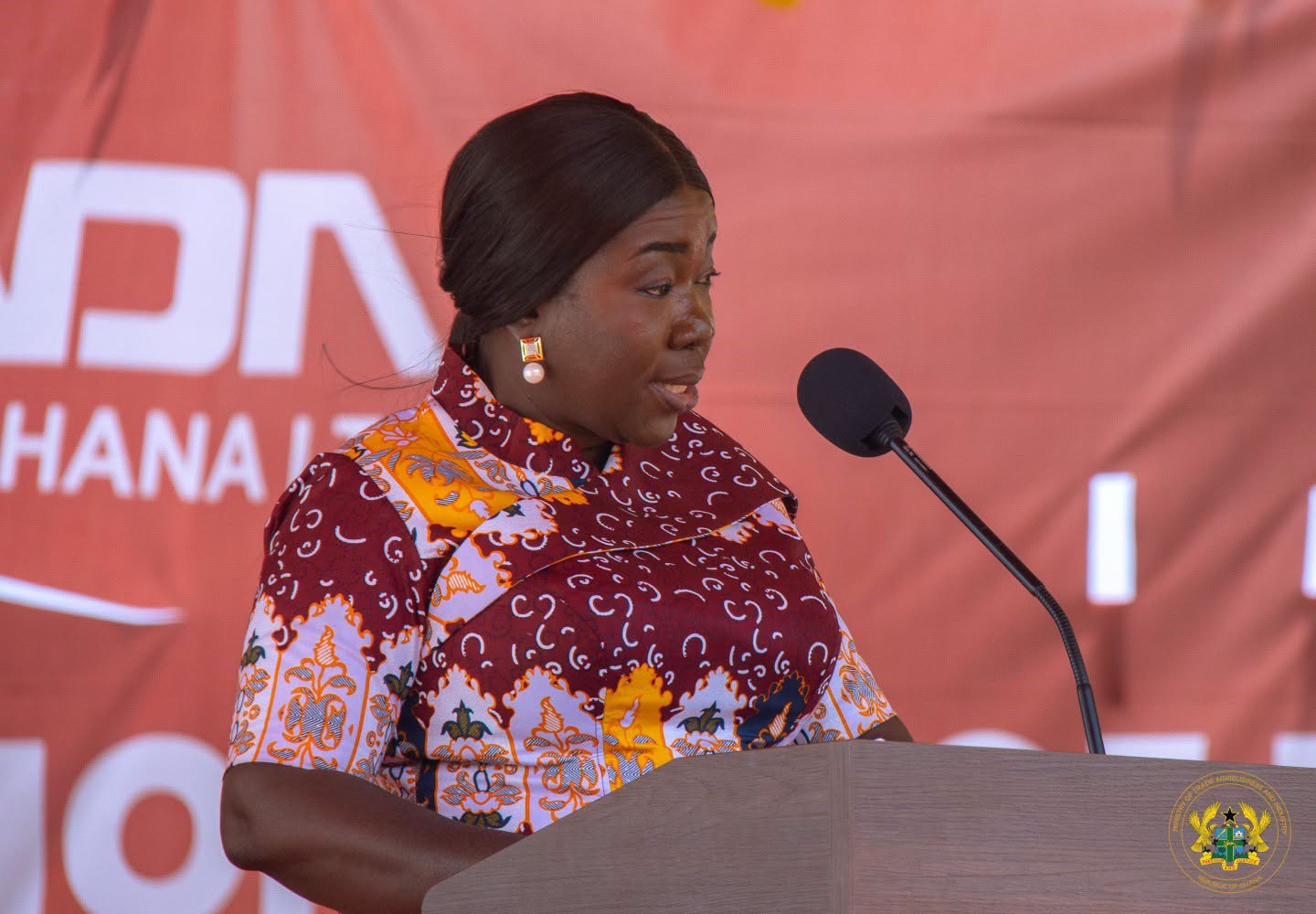
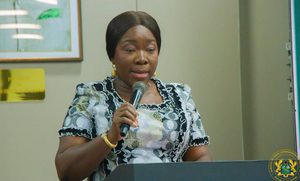
The Minister of Trade, Agribusiness and Industry, Mrs Elizabeth Ofosu-Adjare, has called on private developers and financiers to partner with the government to replicate the Afienya Industrial Park model in other parts of the country.
She said the park had been designed around serviced industrial plots, performance-linked incentives and a one-stop-shop system to make it easier for investors to establish and operate businesses.
Mrs Ofosu-Adjare added that the model offered an opportunity to accelerate industrial development across the country by providing investors with the land, policy framework and market access needed to establish factories.
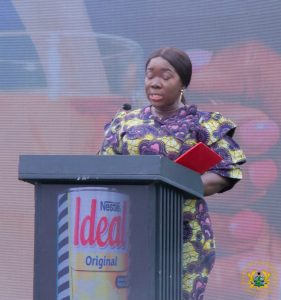
She said this while speaking at the sod-cutting ceremony for Afienya Industrial Park on Thursday.
The Minister said the Afienya project is intended to serve as a model for developing industrial parks in other regions, thereby expanding manufacturing opportunities beyond existing industrial centres.
She explained that the project followed a directive by the President to identify a new industrial enclave after the existing industrial space at Tema became insufficient.
According to her, the Ministry, working with the Ghana Free Zones Authority (GFZA) and the Ghana Investment Promotion Authority (GIPC), would undertake structured investment roadshows through Ghana’s diplomatic missions abroad to attract investors in the sectors targeted for the park.
She said the initiative would help position the park to attract both local and foreign businesses, strengthen manufacturing and create employment opportunities, particularly for young people.
The Minister also underscored the importance of designing industrial parks that were integrated into the wider economy rather than operating as isolated enclaves.
She cited the experience of industrialised economies, noting that special economic zones had helped countries in East Asia move from exporting raw commodities to manufactured goods, while Morocco and Ethiopia had used similar arrangements to develop their automotive and garment industries, respectively.
According to her, modern industrial zones must be built around digital connectivity, green energy and regional value chains, while strengthening links with local suppliers, skills providers and service businesses.
Mrs Ofosu-Adjare said these considerations had informed the design of the park and were also reflected in the Special Economic Zone Policy being finalised by the Ministry.
She expressed appreciation to the Ghana Free Zones Authority for advancing the project from the planning stage to construction and commended the landowners and traditional authorities for facilitating the acquisition of the site without disputes.
The Minister said the development of the park, together with other planned industrial initiatives, was expected to advance the government’s vision of building a manufacturing-driven economy that creates jobs and expands economic opportunities across Ghana.
Judith Twumwaa, ISD