National Labour Commission Seeks Stronger Media Partnership to Promote Labour Law Awareness
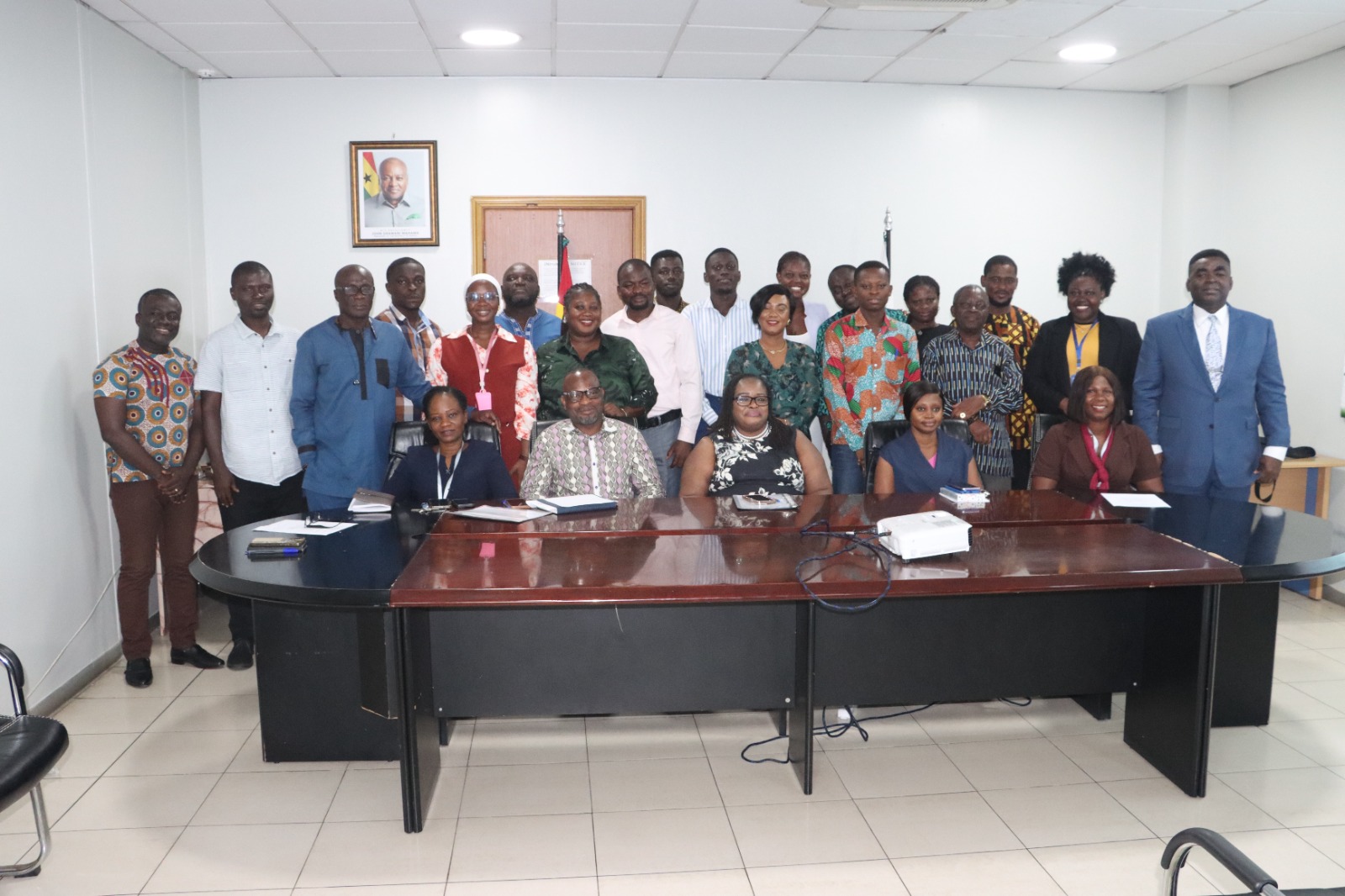
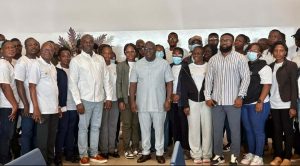
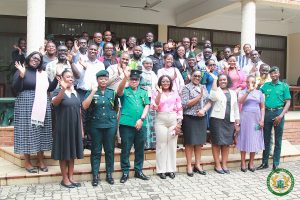
The National Labour Commission (NLC) has held a workshop for members of the media to strengthen public education on labour laws, dispute resolution procedures and the mandate of the Commission.
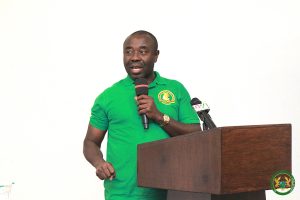
Speaking at the event on Wednesday in Accra, the Executive Secretary of the Commission, Dr Bernice A. Welbeck, said the workshop forms part of efforts to build closer collaboration with the media to improve public understanding of labour and industrial relations issues.
She said the Commission’s role is to ensure fairness to both employers and workers by facilitating the settlement of labour disputes and promoting cooperation between management and labour to improve productivity.
According to her, the Commission would soon publish materials to provide Ghanaians with a better understanding of its work and to encourage greater public engagement.
She noted that the Commission also handles matters involving compensation for workers who have been unfairly treated. She said disagreements are common in every workplace, but many disputes can be resolved if employers and workers follow the procedures provided under the labour laws.
According to Dr Welback, the Commission plays a neutral role by settling disputes, conducting arbitration and intervening where necessary.
She stressed that it does not negotiate on behalf of government, employers or workers and encouraged both workers and employers to report disputes to the Commission before they develop into industrial action.
She said the Commission provides negotiation, mediation, arbitration and adjudication services to help parties resolve disputes through lawful and peaceful means.
The Executive Secretary also rejected claims that the Commission is influenced by any government, stating that the National Labour Commission is an autonomous constitutional body that carries out its mandate independently and cannot be pressured into altering its decisions.
She said that the National Labour Commission is an independent body of seven members representing government, organised labour and employers. It performs its functions independently and is not subject to the direction or control of any individual or institution.
Dr Welbeck acknowledged that strike action remains a legitimate tool for workers to pursue their demands but said it must be undertaken within the legal framework. She explained that the Commission has powers similar to those of the High Court and may seek court orders to stop illegal strikes when the law is not followed.
She urged workers and labour unions to observe the required timelines for notifying the Commission before declaring any industrial action.
Dr Welbeck therefore called on the media to support the Commission’s public education efforts by informing workers about the legal processes available to resolve workplace grievances, rather than resorting to unlawful industrial action.
She expressed confidence that the media would serve as a bridge between employers, employees and policymakers and contribute to a peaceful industrial relations climate across the country.
She said greater public understanding of these legal protections would help reduce avoidable labour disputes and improve compliance with the law.
Priscilla Osei-Wusu Nimako, ISD