Gov’t’ to train 500 nurses in specialised critical care fields
Government has begun training a new generation of specialised nurses to support the delivery of advanced medical care across the country’s hospitals.
The first nursing training facility for this purpose has been established at the Korle Bu Teaching Hospital, where critical care nurses are being trained in areas such as nephrology, cardiovascular care, oncology and other specialised fields.
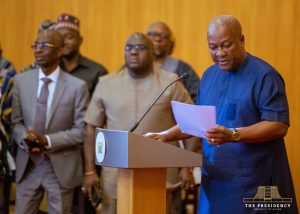
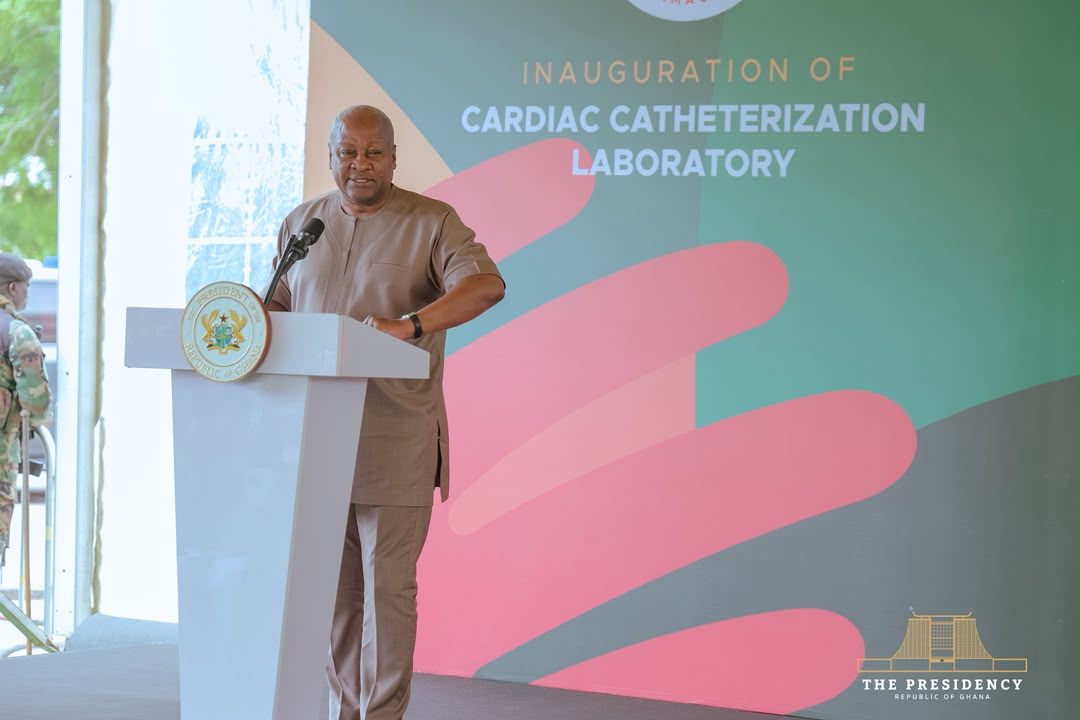
President John Dramani Mahama disclosed this during the commissioning of the Ghana Medical Trust Fund Cardiac Catheterization Laboratory at Korle Bu.
He said Cabinet had approved the recruitment and training of 500 nurses in these specialised areas, with a second training centre to be established at the Komfo Anokye Teaching Hospital.
He said the nurses at Korle Bu had already been matriculated and had commenced their programmes, and upon completion, would be deployed to various centres to support the treatment of non-communicable diseases.
“In this way, we will have the facilities, the professionals and the financing mechanisms required to provide quality diagnosis and treatment for our people,” he said.
President Mahama said the initiative formed part of the expanded mandate of the Ghana Medical Trust Fund, which had grown beyond its original focus on financing diagnosis and treatment for non-communicable diseases.
He explained that government had realised that even when patients received financial support, the necessary facilities to diagnose and treat them were sometimes unavailable within their communities, and that healthcare delivery also required skilled professionals capable of operating those facilities.
“The mandate of the Ghana Medical Trust Fund has expanded beyond financing diagnosis and treatment. It now includes supporting the development of healthcare infrastructure and ensuring that skilled personnel are available to deliver specialised care,” he said.
He said the Fund had been allocated GH¢2.3 billion, part of which was being used to support diagnosis and treatment, while another portion was being invested to ensure that no Ghanaian was denied access to specialised healthcare because of where they lived.
President Mahama linked the training programme to the country’s changing disease profile, noting that while Ghana continued to make progress against infectious diseases, it was witnessing a rise in non-communicable diseases such as cardiovascular diseases, strokes, cancers, kidney failure, diabetes and hypertension, which now contributed substantially to premature deaths and long-term disabilities.
These conditions, according to him, also placed enormous financial pressure on households, with many families exhausting their savings, selling valuable assets or abandoning treatment altogether because specialised healthcare was beyond their means. “No responsible government can ignore this reality,” he stressed.
Richard Aniagyei, ISD