NACSA Strengthens Fight Against Illicit Small Arms Through Tema Port Security Exercise
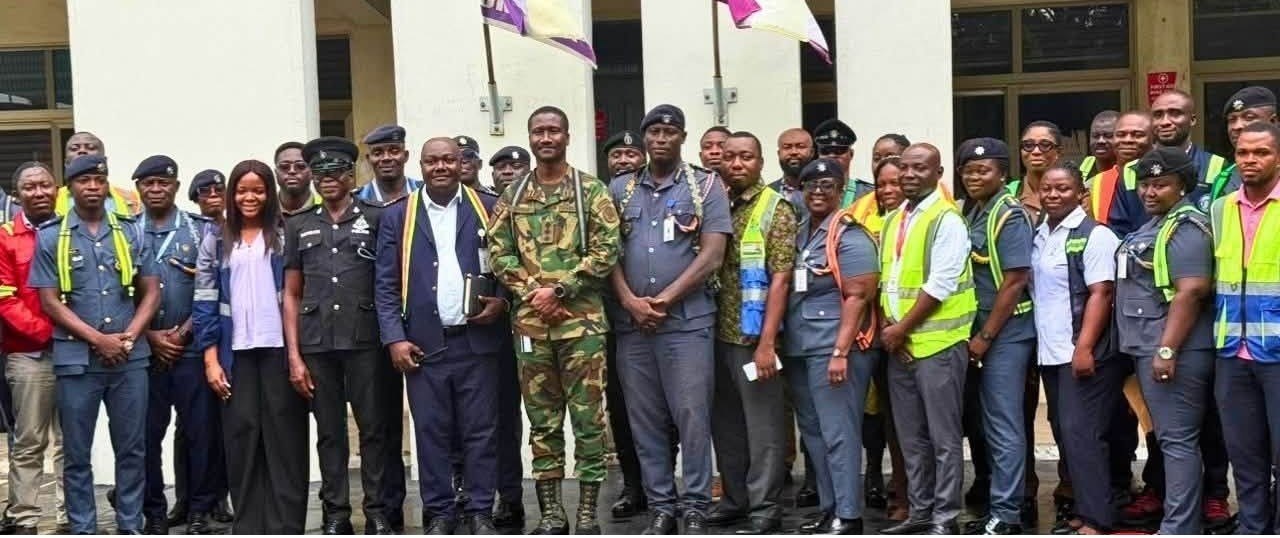
The National Commission on Small Arms and Light Weapons (NACSA) has reaffirmed its commitment to preventing the illicit trafficking of small arms by participating in the Ghana Ports and Harbours Authority’s (GPHA) Second Quarter International Ship and Port Facility Security (ISPS) Security Drill Exercise at the Tema Port.
The quarterly exercise brought together key security and regulatory institutions to assess emergency preparedness, surveillance systems and coordinated responses to simulated security threats at Ghana’s premier maritime gateway.
A four-member NACSA delegation, led by the Head of the Tema Office, Mr Stephen Adjei, joined other security agencies to evaluate operational readiness in line with internationally recognised ISPS security standards.
The Commission said its participation forms part of efforts to strengthen inter-agency collaboration in protecting the country’s critical infrastructure, particularly against the growing threat of illicit arms trafficking through maritime routes.
According to NACSA, transnational criminal networks increasingly exploit ports and other maritime entry points to traffic illicit firearms and other prohibited items, making closer cooperation among security stakeholders essential to safeguarding national security.
The Commission noted that regular security drills enhance the capacity of participating institutions to detect, prevent and respond effectively to emerging security threats, while improving coordination among agencies responsible for port and border security.
NACSA commended the Ghana Ports and Harbours Authority for organising the exercise and creating a platform for strengthening institutional collaboration and operational readiness.
The Commission reiterated its commitment to supporting national and international efforts to secure Ghana’s ports against illicit small arms trafficking and other transnational organised crimes, stressing that sustained collaboration remains critical to protecting lives, promoting public safety and preserving national security.
Judith Twumwaa, ISD