Regional Solidarity Key to ECOMOTI-5 Success – Deputy Trade Minister
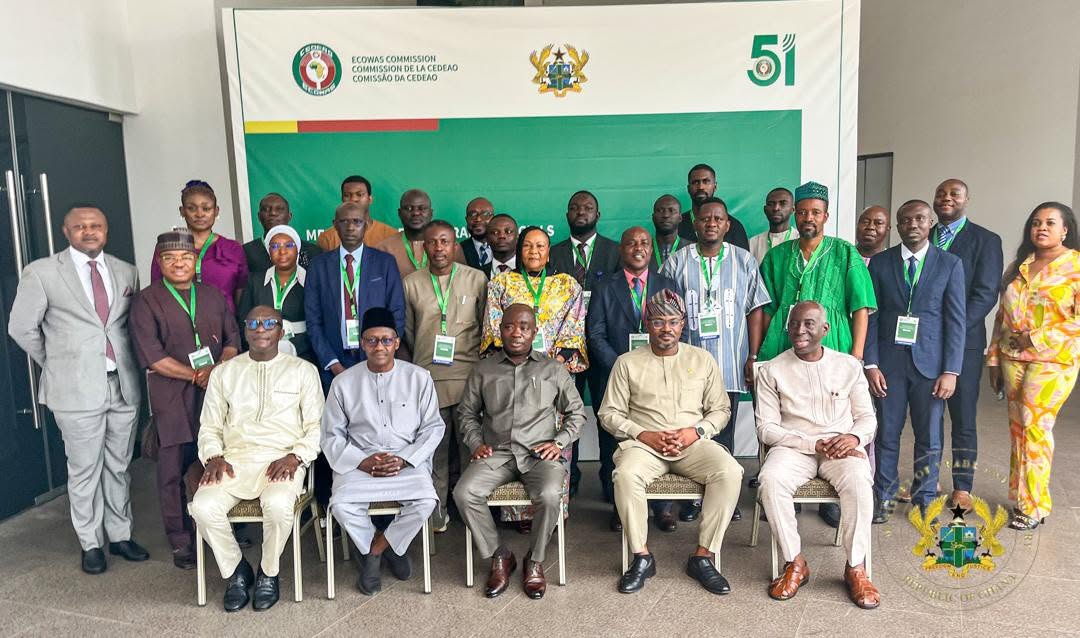
The Deputy Minister for Trade, Agribusiness and Industry, Mr Sampson Ahi, has called on ECOWAS member states to deepen regional solidarity in the face of growing global economic uncertainties.
He stressed that a stronger and more integrated West African market is no longer a policy option but an economic necessity.
Mr Ahi made the call while opening a three-day meeting of Senior Trade Officials from ECOWAS member states, held in Accra.
The meeting is being convened ahead of the Fifth Meeting of ECOWAS Ministers of Trade (ECOMOTI-5), scheduled for 11 to 12 June 2026 in Ghana.
The Deputy Minister welcomed delegates from across the sub-region and underscored the significance of the gathering at a time when multilateral trade systems face mounting pressure from geopolitical tensions, supply chain disruptions, and protectionist measures in major economies.
He described regional cooperation as the most effective instrument available to West African states for building economic resilience, attracting investment, creating employment, and improving the livelihoods of citizens across the sub-region.
He urged member states to accelerate the implementation of both regional and continental trade frameworks, with particular emphasis on the African Continental Free Trade Area (AfCFTA).
The Deputy Minister also called for concerted action to dismantle persistent non-tariff barriers and to protect the integrity of the ECOWAS Customs Union and the Common External Tariff, which he described as foundational pillars of regional economic integration.
Representatives of the ECOWAS Commission highlighted the region’s significant human and natural resource potential and called for stronger collaboration to expand market opportunities, harmonise trade policies, and facilitate the free movement of goods, services, and investments across borders.
Speaking on behalf of the Commission, the ECOWAS Director of Trade, Mr Kolawole Sofola, acknowledged that the global trading environment remains difficult, characterised by slowing growth, protectionist tendencies, and persistent supply chain disruptions.
He added that Africa continues to demonstrate resilience and remains well-positioned to achieve sustained economic growth, provided member states honour their regional commitments and deepen cooperation.
Mr Sofola drew attention to findings from consultations conducted during ECOWAS’s 50th Anniversary celebrations, which revealed growing concern among businesses and citizens over the slow pace of implementing regional commitments.
He observed that the removal of non-tariff barriers and the free movement of goods and people remained pressing concerns among businesses and citizens.
Adwoa Koramah Anokye-Gyimah, ISD